CAT TOYS
Why Cats That Ignore Store Bought Toys Love Free Alternatives
Many cats that ignore store bought toys simply need a toy that matches their natural hunting style. This guide breaks down what popular toys get right and wrong, plus free household alternatives worth trying.
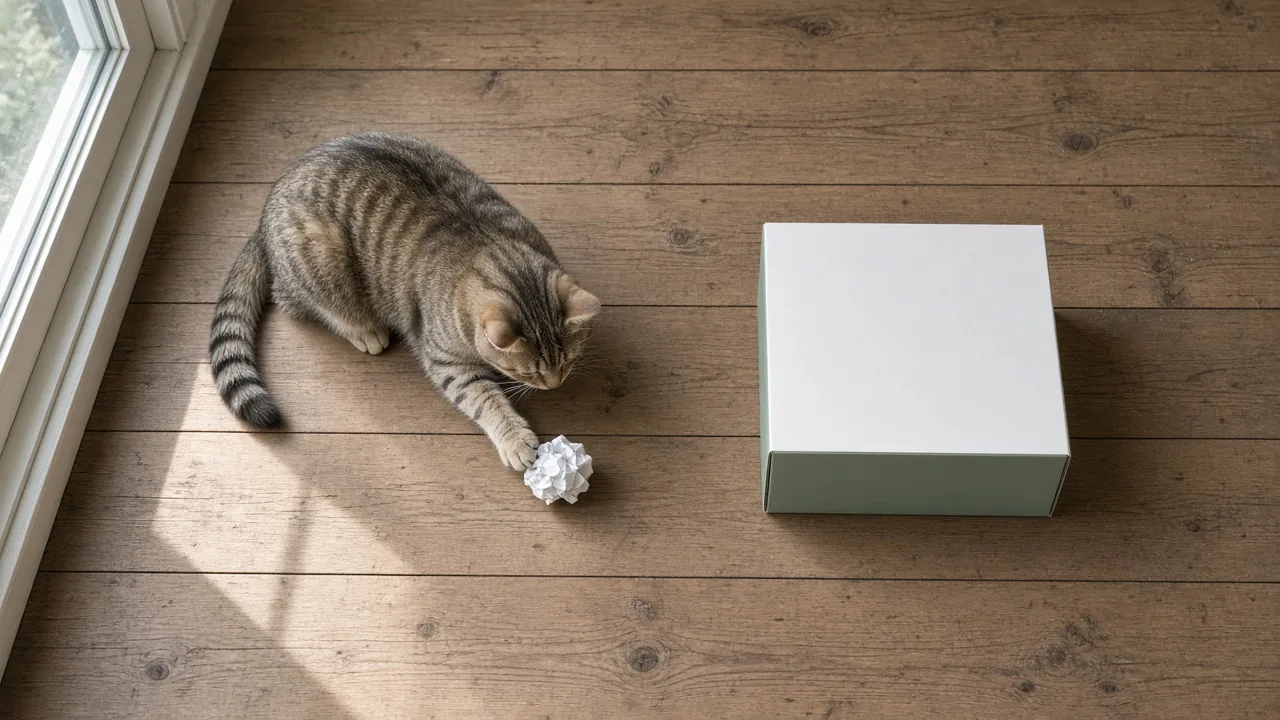
If your cat sniffs a new toy once and walks away, you’re not alone. Cats that ignore store bought toys usually aren’t being difficult; they’re responding to a mismatch between how the toy moves and what their hunting instinct expects. The fix often has less to do with buying a different popular item and more to do with watching how your own cat likes to play.
Why Cats That Ignore Store Bought Toys Still Have Strong Play Instincts
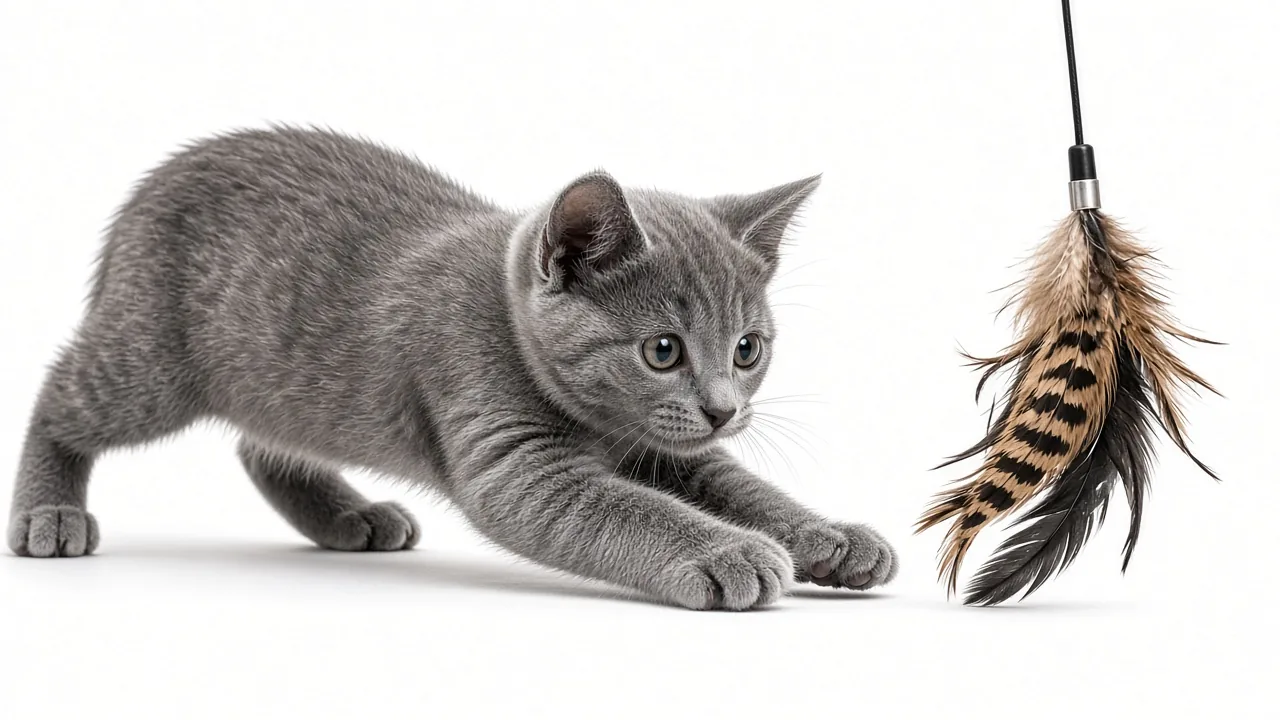
Cats play out a predictable sequence when they hunt: they stalk, chase, pounce, and then "capture" whatever they caught. A toy that skips one of these stages, or makes every stage feel the same, can read as pointless to a cat even when it’s a popular pick for other households.
A ball spinning in a fixed circle, for example, gives a cat something to bat at but no real stalking phase and no capture moment, since the ball never actually gets caught. That’s not a flaw you can see on the packaging. It only shows up once the toy is on your floor.
Age plays a role here too. Kittens are usually curious about almost anything that moves, which can make it look like any toy "works" during the first few months. As cats mature, many become more selective, favoring whichever hunting stage they personally find most satisfying. A toy that kept a kitten entertained for a week may stop getting attention entirely by the time that same cat is a year or two old, and that’s a normal shift rather than a sign the toy failed.
How Individual Personality Changes What a Cat Finds Fun
One pet owner tested five widely reviewed cat toys with her own two cats and found that most of them barely held their attention, even though many other buyers of the same products reported their cats being enthusiastic. That gap matters: it tells you toy preference is genuinely individual, not just a matter of picking the "right" brand.
A cat that likes to ambush from under furniture may ignore a toy that rewards fast chasing, while a cat that loves full-speed pursuit may lose interest in anything that just sits and glows. Reviews can tell you a toy works for many cats. They can’t tell you it will work for yours.
What Five Popular Cat Toys Got Right and Wrong in Real Testing
A side-by-side look at a ball track toy, a tiered track toy, a wire-and-paper dancer toy, a robotic crawling toy, and a treat-dispensing feeder ball shows a consistent pattern: each design solves one play problem well and falls short in a different, predictable way. None of them worked equally well across different cats or different home setups.
| Toy type | Price range | Best for | Watch out for |
|---|---|---|---|
| Ball track toy | Budget | Cats that like batting at moving objects | Non-replaceable batteries in the ball; replacement balls are an added cost |
| Tiered ring track | Budget | Cats that enjoy independent, low-supervision play | Some cats lose interest after the novelty wears off |
| Wire-and-paper dancer toy | Budget | Owners with limited mobility; cats that chase fast motion | Needs active handling, not independent play |
| Robotic crawling toy | Budget | Cats on hard flooring who like chasing erratic movement | Tips over easily on carpet and can’t right itself |
| Treat-dispensing feeder ball | Budget | Fast eaters; cats that need more movement at mealtime | Can spill kibble; shouldn’t fully replace wet food |
Track and Ball Toys: Fun Setup, Hidden Ongoing Costs
A ball track toy with a light-up ball built into the circuit looks appealing because the cat can reach a paw through cutouts to swat the ball around the loop. The catch is that the ball’s battery usually can’t be replaced on its own, so once it dies, you’re buying a new ball rather than just a battery, which adds a small but real ongoing cost.
A simpler three-tiered ring track with lightweight plastic balls and a non-slip base avoids that problem entirely, since there’s nothing to replace. One owner found her cat played with it occasionally rather than consistently, which lines up with a broader pattern: track toys tend to get looked at more than they get played with, even when they’re well made.
If your cat already enjoys batting at things that roll, a track toy is worth trying. If your cat has shown no interest in similar toys before, a track toy likely won’t change that on its own.
Wire-and-Paper Dancer Toys for Low-Effort Interactive Play
A simple toy made from a flexible wire with a bit of rolled paper tied to one end can trigger a strong chase response with only small wrist movements. You don’t need to run around the room or wave your arm; sitting in a chair and flicking your wrist can be enough to get a cat jumping and pouncing.
This makes it a practical option if you have limited mobility or just don’t have the energy for a long play session. One owner who kept this toy for about a year said her cat played with it only occasionally, but reacted with real excitement each time, which suggests the toy’s value comes from short, high-engagement bursts rather than long independent play.
Robotic Toys and Why Floor Type Matters
A battery-powered toy designed to crawl along the floor like a bug or mouse, often with a furry tail attached, can be genuinely engaging for cats that like chasing erratic, lifelike movement. The limitation shows up fast on soft flooring: these toys tend to tip over on carpet and can’t right themselves, which ends the play session almost as soon as it starts.
On hard flooring, the same toy moves more reliably and holds attention longer. If your home is mostly carpeted, this style of toy may disappoint regardless of how well it’s reviewed elsewhere.
Treat-Dispensing Balls for Cats Who Eat Too Fast
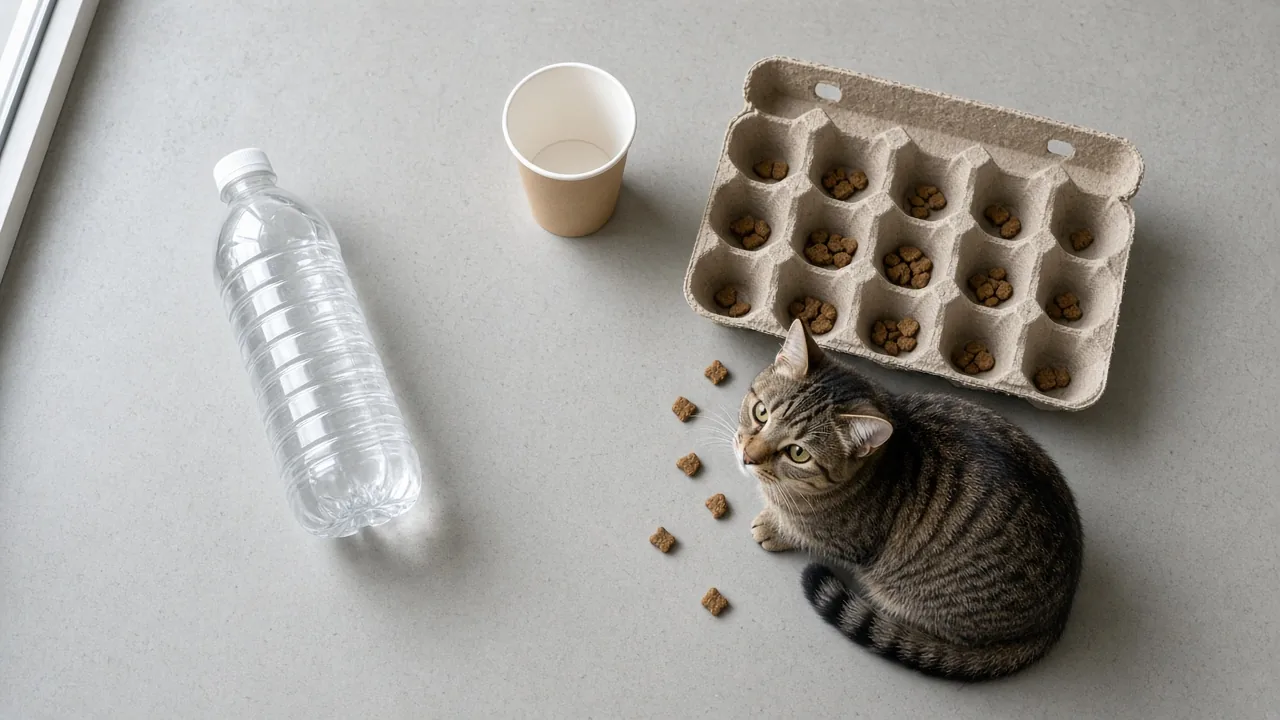
A rolling feeder ball with two adjustable opening sizes lets food trickle out as the ball moves, which slows down cats that eat too quickly and tend to vomit afterward. It also adds a bit of physical activity to a part of the day that’s otherwise completely passive.
One owner found her cat picked up how to use the feeder ball quickly and stayed interested in it, more so than with several of the purely play-focused toys tested alongside it. These feeder balls are typically made from BPA-free plastic and can go in the dishwasher, which helps with the hygiene side of daily use. They work best as a supplement to wet food rather than a full replacement for it, since dry food alone isn’t ideal for every cat’s diet.
Worth noting: a few owners have found their cats treat a feeder ball less like a feeding tool and more like a toy to pounce on, batting it hard enough to send kibble skidding across the floor. That’s not a malfunction, just a cat applying its normal play style to a food puzzle, and it’s worth planning for with an easy-to-sweep spot rather than carpet.
How to Choose a Toy a Cat That Ignores Store Bought Toys Might Actually Try
Instead of starting with reviews, start with how your cat already plays. Watching whether your cat prefers stalking and ambushing, batting at moving objects, or chasing something fast narrows the field more effectively than picking whatever other owners rated highest.
Your own energy level and schedule matter too. A toy that needs you to actively hold and move it, like a wire dancer toy, only works if you’re willing to do that regularly. A toy meant for independent play, like a track toy, only pays off if your cat is the type to engage with it alone.
Matching Toys to Hunting Style: Stalk, Chase, Pounce, or Carry
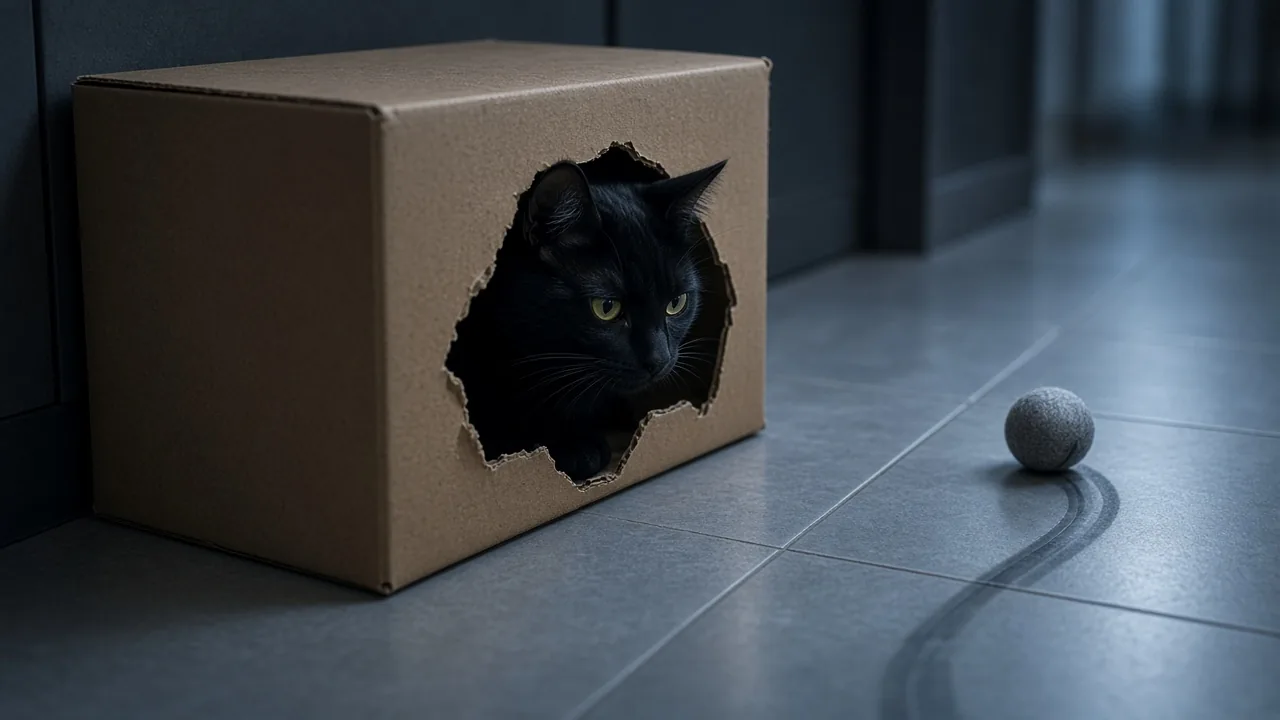
- Stalk-and-ambush cats tend to like toys they can watch from a hidden spot before striking, such as a ball visible through track cutouts.
- Fast-chase cats usually respond best to erratic, quick movement, which points toward robotic crawling toys on hard floors or an actively handled wand-style toy.
- Pounce-and-carry cats often prefer small, light objects they can bat, pick up, and carry around, which is part of why wire-and-paper dancer toys work so well for some cats.
- Food-motivated cats frequently show more interest in anything that combines movement with a treat payoff, like a feeder ball.
None of these categories are strict. Many cats show a mix of styles, and the goal is simply to notice a pattern over a few weeks of normal play rather than guess based on one toy.
How Often to Rotate Toys So Interest Doesn’t Fade
Even a toy your cat genuinely likes can lose its appeal if it’s left out all the time. Cats habituate to objects in their environment, so a toy that was exciting on day one can start to blend into the background within a couple of weeks.
A simple approach many owners use is keeping only two or three toys out at once and swapping in a different set every week or so, rather than leaving the whole collection on the floor permanently. This costs nothing and often does more to revive interest than buying something new. If a toy comes back out after a break and still gets ignored, that’s a clearer signal it’s not the right fit for your cat, rather than a sign it just needs more time.
Several short play sessions spread across the day, five to ten minutes each, also tend to work better than one long session, since cats are built for repeated bursts of hunting behavior rather than sustained activity.
Free Household Alternatives Cats That Ignore Store Bought Toys Often Prefer
Cardboard boxes, string loops, bottle cap rings, and tossed treats cost nothing and, based on many owners’ repeated experience, often get more consistent engagement than purchased toys. This isn’t a knock on commercial toys so much as a reminder that cats respond to texture, size, and unpredictability more than to packaging or price.
It’s worth being clear-eyed here: a toy being popular and well reviewed doesn’t guarantee your cat will treat it as anything more than furniture to walk past. If that’s been your experience, household items are a reasonable next step before spending more money.
Everyday Objects: Boxes, Hair Ties, and Bottle Caps
Plastic rings from bottle caps and discarded hair ties can mimic the size and texture of small prey closely enough to catch a cat’s attention in a way some manufactured toys don’t. A cardboard box, meanwhile, gives a cat somewhere to hide and ambush from, which taps directly into stalking behavior.
These items need closer supervision than most store bought toys, not less. A hair tie or bottle cap ring is small enough to swallow, so only let your cat play with these under direct watch, and pick them up again once play is done rather than leaving them out.
Treat-Chase Games as a Free Alternative to Puzzle Toys
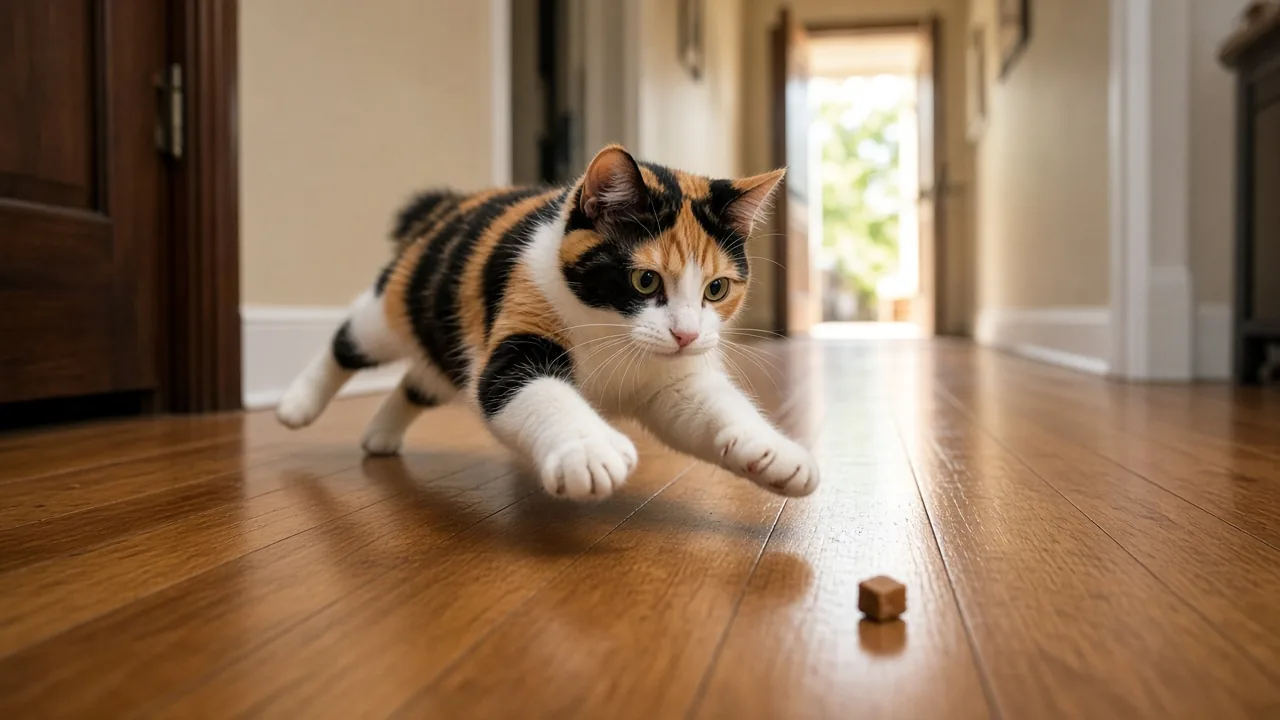
Tossing a treat down a hard-floor hallway gives a cat something to chase and pounce on, combining mental stimulation with real exercise, and it costs nothing beyond the treat itself. A hard, smooth floor works better than carpet here since the treat skids and bounces a bit, which adds unpredictability that keeps the chase interesting.
This works especially well for indoor cats that don’t get much natural variety in their day. A few short sessions spread across the day tend to hold interest better than one long session, since cats are built for repeated short bursts of hunting rather than sustained activity.
Common Misconceptions: ‘Top-Rated’ Doesn’t Mean Your Cat Will Like It
Wide popularity or strong overall reviews describe how a toy performs across many cats on average, not how your specific cat will respond to it. A toy can genuinely be well made, durable, and loved by thousands of other cats while still sitting untouched in your living room.
This disconnect shows up often enough in owner comments that it’s worth treating as the norm rather than the exception. People frequently report buying a toy specifically because it had strong reviews, only to find their cat prefers an empty box the toy came in, or a stray hair tie found on the bathroom floor. Reviews are useful for ruling out poorly made products, but they’re a weak predictor of whether an individual cat will actually play with something.
It also helps to recognize that not everything shaped like a cat, or marketed with cat branding, is actually designed for a cat to play with.
When a ‘Cat’ Product Is Actually Made for Human Use
Some cat-shaped gadgets on the market, including AI companion plushies with chat and trivia features, are built for human entertainment rather than for a cat to interact with physically. These products may use a cat’s face or shape as branding, but their actual function, things like voice conversation, quiz games, or translation tools, has nothing to do with feline play.
If a product’s main features involve a screen, a smartphone app, or chat responses rather than movement a cat can chase or bat, it’s worth asking who the toy is really for before expecting your cat to show interest.
Safety Checks: Toy Size, Loose Parts, and When to Replace a Worn Toy
Before and after every play session, a quick check reduces the risk of swallowed parts or injury. Look for:
- Cracked or splintered plastic on tracks, balls, or robotic toy shells
- Loose or missing eyes, tails, or other small attached pieces
- Exposed or leaking batteries on electronic toys
- Fraying, unraveling string on wire-and-paper toys
- Chewed or cracked openings on feeder balls that could create sharp edges
Any toy showing these signs should be taken away and replaced rather than kept in rotation "just in case." This matters even more with free household alternatives like hair ties and bottle cap rings, since they weren’t designed as toys in the first place and can break down or get swallowed more easily than purpose-built products.
How to Clean Store Bought and Household Toys
Most hard plastic toys, including feeder balls and track pieces, can be wiped down with warm water and a mild dish soap, then rinsed well before they’re dry enough to hand back to your cat. Check the packaging first, since some feeder balls are labeled dishwasher-safe on the top rack, which saves time if you’re cleaning them often.
Wire-and-paper dancer toys and anything with exposed electronics shouldn’t be submerged in water; a damp cloth on the handle and a visual check of the paper lure is usually enough. Free household items like hair ties or bottle cap rings are easiest to simply replace rather than clean once they start to look worn, since they’re not built to withstand repeated washing the way purpose-made toys are.
Frequently Asked Questions About Cats That Ignore Store Bought Toys
Is it normal for my cat to ignore every toy I buy?
Yes, this is common and doesn’t necessarily mean something is wrong with your cat or the toy. Play preference varies significantly between individual cats, and even toys with strong, consistent reviews from other owners can go completely unused by a specific cat.
Which type of toy is most likely to get a reaction?
There’s no single toy that works for every cat, but wire-and-paper dancer toys and treat-based chase games tend to spark noticeable interest across a wide range of cats, likely because they closely mimic natural prey movement and reward.
How do I deal with the mess from feeder-style toys?
Some cats treat feeder balls more like a toy to bat around than a careful eating tool, which can scatter kibble further than expected. Playing on an easy-to-sweep floor, or confining feeder ball sessions to one room, keeps cleanup manageable.
Will my cat’s toy preferences change as it gets older?
Often, yes. Kittens tend to engage with almost anything that moves, while adult cats generally settle into clearer preferences for one or two hunting styles. Senior cats may lose interest in fast-chase toys and respond better to lower-effort options like a feeder ball or a gently handled wand toy, so it’s worth revisiting your cat’s toy rotation every so often rather than assuming today’s favorites will stay favorites forever.
Watch how your cat naturally likes to play, whether that’s stalking from a box, chasing a tossed treat down the hall, or batting at a wire toy, and build your toy rotation around that instead of around what’s popular. Mix in a few free household items alongside anything you buy, and check every toy regularly for cracks, loose parts, or fraying so playtime stays both engaging and safe.
This article is for general information only and is not a substitute for advice from your veterinarian. Always supervise your pet with a new toy, and replace any toy that is damaged or small enough to swallow.

Contributor
admin
Continue reading
All stories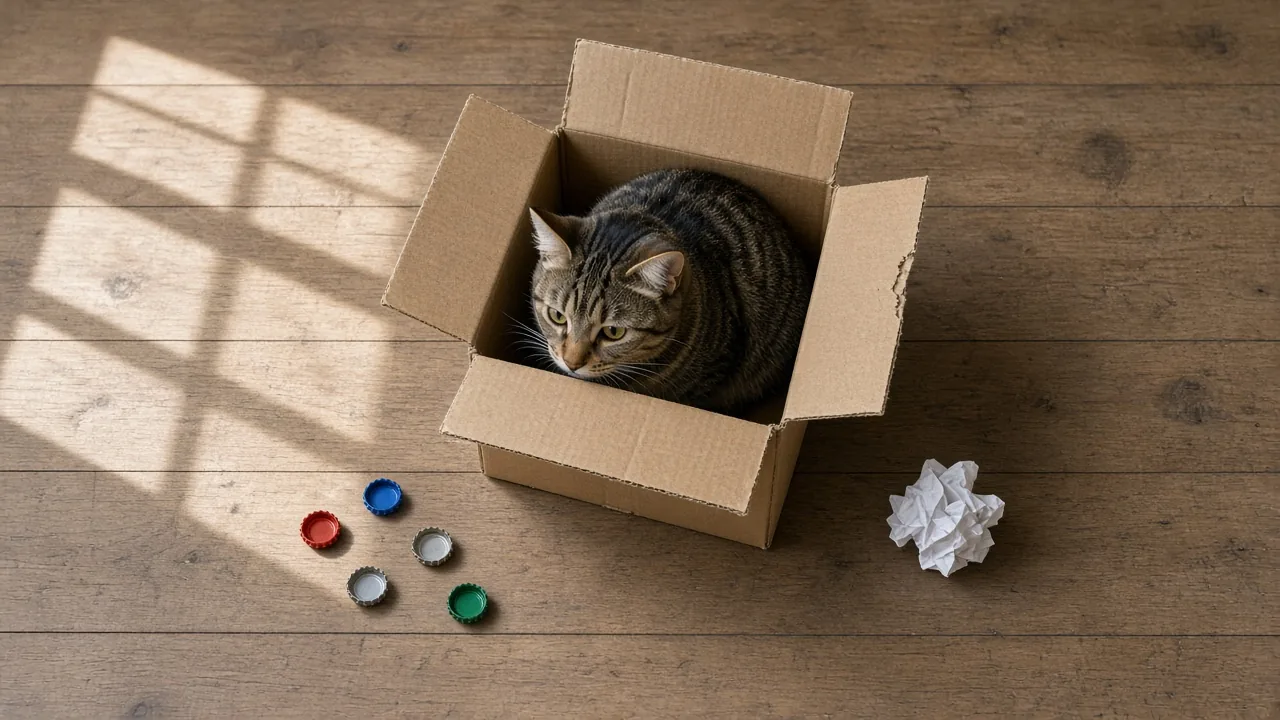
CAT TOYS · 11 October
Are Cardboard Boxes Better Than Cat Toys? What a 100-Year Toy Test Revealed
CAT TOYS · 10 October
DIY Food Puzzle Toys for Cats Using Household Items That Actually Work
CAT TOYS · 10 October
Responses
Moderated discussion