SMALL PETS & BIRDS
Common Bird Toys That Are Actually Dangerous (And Safer Swaps)
Many popular bird accessories, from rope perches to bells and nest huts, carry hidden risks. This guide breaks down which common bird toys are actually dangerous and what safer alternatives to choose instead.
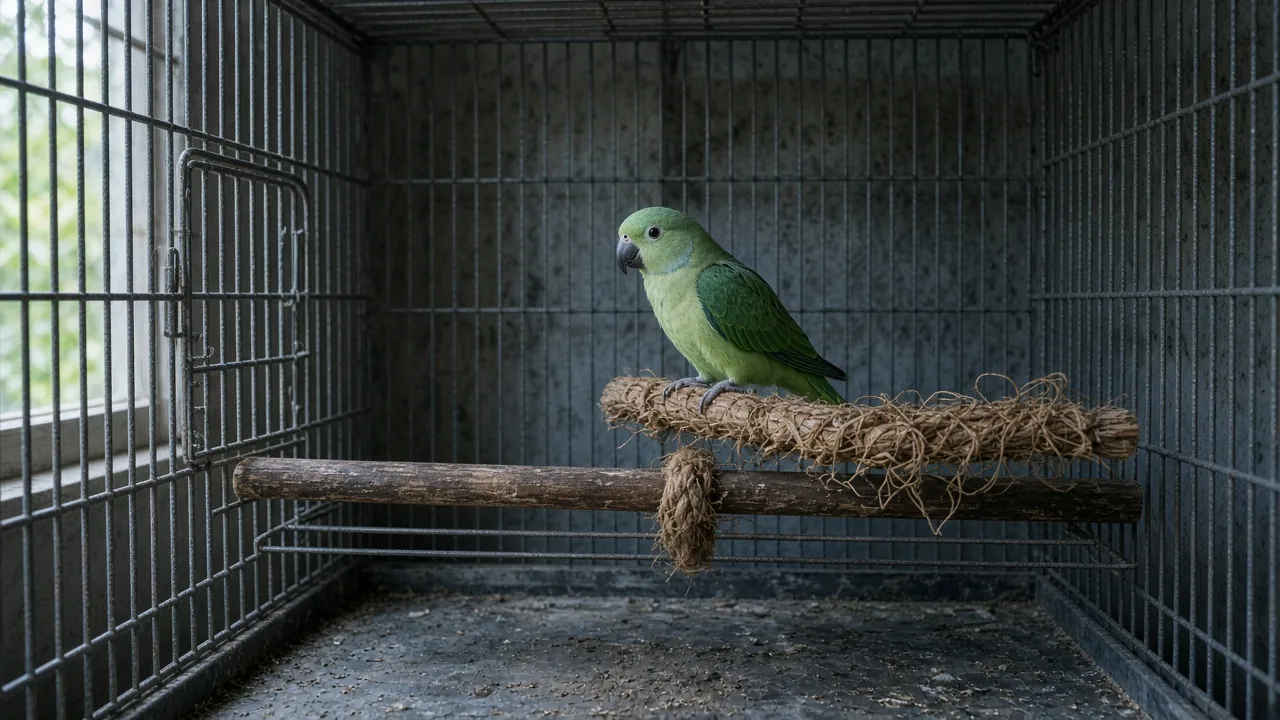
If you have ever wondered whether that pretty rope perch or jingling bell toy in your bird’s cage is actually safe, you are asking the right question. Several of the most common bird toys that are actually dangerous are sold specifically as bird accessories, which makes them easy to trust without a second look. This guide walks through your cage section by section — perches, hideaways, bells, mirrors, and even treats — so you can check what is already hanging in your bird’s home and decide what to swap out.
Start With Cage Size Before You Add Any Accessories
Before you worry about which toys to buy, look at the cage itself. A bird needs enough room to fully stretch both wings, hop between perches, and sometimes fly short distances, with space left over for food and water dishes, multiple perches, and toys. When a cage is too small, owners often end up cramming in extra perches and toys just to give the bird something to do, and that crowding is exactly what causes injuries.
A cramped cage forces a bird to land awkwardly, catch a wing on a toy, or grip the same narrow perch over and over because there is no room for anything else. If your budget is limited, spend it on the biggest, sturdiest cage you can afford before you add a single accessory. A simple cage with plenty of room is safer than a decorated cage that barely fits your bird.
Smaller cages are not automatically off the table for every situation. Many owners keep a compact travel or carrier-style cage on hand for vet visits or short trips, and that is a different use case from a bird’s everyday home. The problem is using a small cage as permanent housing, not owning one at all.
Perches Are Common Bird Toys That Are Actually Dangerous for Bird Feet
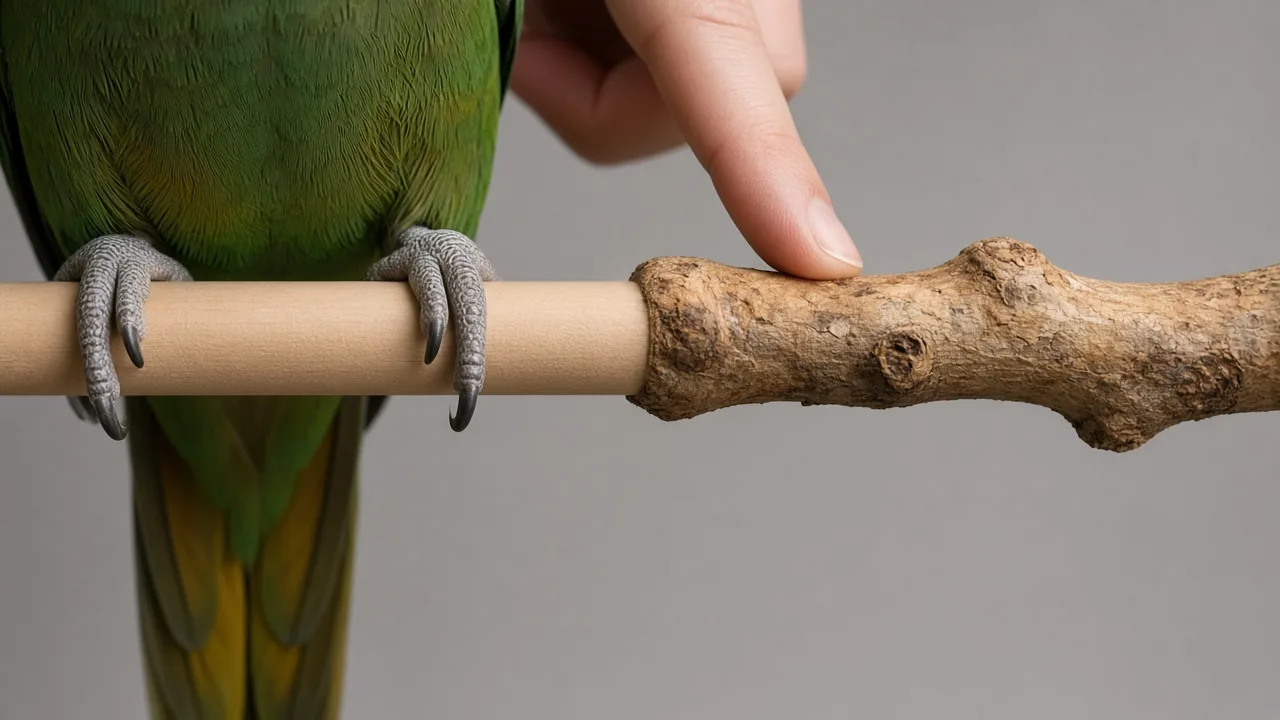
Perches get less attention than toys, but they sit under your bird’s feet all day, every day. A bird that stands on the same shape and texture for months can develop sore spots, cuts, or long-term joint strain. The fix is usually variety, not a single "correct" perch material.
Here is a quick comparison of common perch types:
| Perch Type | Feel Underfoot | Main Risk | Best Use |
|---|---|---|---|
| Dowel (uniform wood) | Smooth, same diameter everywhere | Pressure sores, bumblefoot over time | One perch in a mixed setup, not the only one |
| Natural wood branch | Varied diameter and texture | Low risk if bark is intact and non-toxic | Main perch material, several diameters |
| Sandpaper/grit cover | Rough, abrasive | Scrapes skin, can cause cuts and infection | Avoid |
| Rope or sisal perch | Soft, flexible | Fraying can cause ingestion or toe entanglement | Fine short-term with regular checks |
Are All-Dowel Perch Setups Safe for Daily Use?
Dowel perches are the default option in most starter cages because they are cheap and uniform. The trouble is that "uniform" is the problem. Standing on the same diameter perch for months can lead to bumblefoot, pressure sores, and eventually joint stiffness, since the bird’s foot muscles never have to adjust or flex differently.
The fix is simple: keep one dowel perch if you like, but replace the rest with natural wood branches of varying diameters. Changing diameter forces the foot to grip differently from perch to perch, which works the muscles and reduces pressure on any single point. Natural branches also give your bird something worth chewing, which dowels generally do not offer.
Are Sandpaper Perch Covers and Grit Paper Actually Helpful?
Sandpaper perch covers and grit paper are marketed as nail filers, but the logic does not hold up well once you look at how they actually work. The rough surface scrapes the skin on the bottom of the foot rather than filing the nail tip the way a human file would. Over time that scraping can turn into cuts, and cuts on a bird’s foot are prone to infection.
Grit paper liners have a second problem: they wear out fast and need frequent replacing, which quietly adds up in cost for a product that was not helping in the first place. If your bird’s nails need trimming, an avian veterinarian can do it safely, and plenty of owners learn to trim nails at home once they feel confident with the technique. Skip the sandpaper and stick with varied natural perches to keep nails naturally worn down.
Are Rope Perches and Boings Safe Once They Fray?
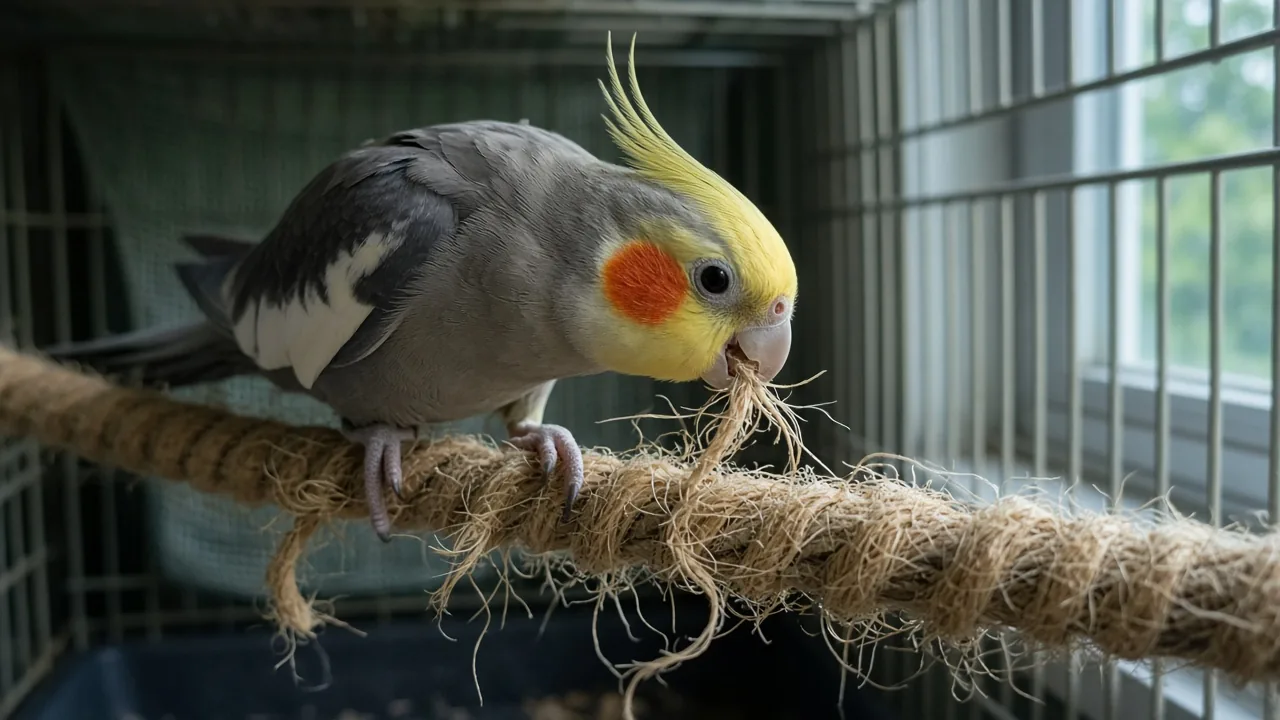
Rope perches and boings feel soft and bouncy, which birds often enjoy, but the material itself is the risk. Once a bird chews through the outer wrap and starts pulling at loose fibers, those fibers can be swallowed and lead to crop impaction — a blockage that typically requires surgery to clear. That is an expensive, risky procedure to end up needing because of a toy.
Loose strands create a second hazard: entanglement. A dangling thread can wrap around a toe tightly enough to cut off circulation or cause the bird to break the toe trying to get free. If you already have a rope perch or boing in the cage, inspect it regularly for fraying, and either remove it at the first sign of loose fiber or limit it to supervised time outside the cage. Sisal rope is generally reported to be easier to digest than cotton rope if fibers are swallowed, so it is worth checking the material tag before you buy a replacement.
Rethink Nesting-Style Accessories: Happy Huts and Nest Boxes
Happy huts look cozy, and birds often climb into them readily, which is exactly why they are popular. The appeal is real, but so are the downsides. Most huts are made of fabric, so the same chewing-and-swallowing risk from rope perches applies here too — loose threads can cause impaction or wrap around a foot or neck.
The bigger issue is what a hut-shaped hideaway signals to your bird’s hormones. A dark, enclosed space that mimics a nest can trigger hormonal behavior and territorial aggression, even in a bird you never intended to breed. In female birds, that hormonal shift can also prompt egg-laying, which carries its own risks like egg binding.
Nest boxes carry the same concerns and should really be reserved for planned, informed breeding. Pet birds sleep perfectly well on a flat, simple cage floor liner and do not need a nest box at all. Breeding also demands specific knowledge — feeding temperature, chick feeding amounts, and more — that most casual owners have not trained for, so it is better left to experienced breeders.
If you still want to offer a hut-style hide, choosing one made from natural rope materials lowers the entanglement risk somewhat. That said, keep watching for hormonal behavior changes like increased aggression, nesting attempts in corners, or unusual possessiveness over the hut, since the hormonal trigger is separate from the material question entirely.
Evaluate Bell and Mirror Toys Based on How Your Bird Actually Plays
Bells and mirrors show up on almost every "avoid this" list for bird toys, and the reasoning behind that advice is sound. At the same time, plenty of owners report that their birds use bells or mirrors without incident for years. The honest answer is that risk here depends heavily on how your specific bird interacts with the toy, not a blanket rule that applies to every bird equally.
When Are Bell Toys Risky Instead of Fun?
The danger with bell toys is mechanical: many bells have a gap between the bell body and the internal clapper, and a bird’s beak or tongue can get caught in that gap while investigating the sound. A bird that pecks aggressively at the clapper is at higher risk than one that simply enjoys the ring from a distance. Watch how your bird actually engages with the bell before assuming it is safe or unsafe.
If you want a lower-risk option, look for longer bell designs where the gap sits out of beak’s reach, or swap bells out entirely for stainless steel cup-style toys that make noise without the pinch-point design. These give a similar auditory payoff without the same mechanical trap.
Can a Mirror Toy Cause Lasting Behavior Problems?
Birds cannot recognize their own reflection, so a mirror often reads to them as another bird. For some birds that becomes a source of real attachment, and the bird can grow distressed if the mirror is later removed, essentially grieving a companion that was never there. That psychological angle is the strongest argument against mirrors.
Not every bird reacts this way, though. Some birds chat at a mirror occasionally the same way they chat at a window reflection, without becoming fixated or distressed when it is taken away. If your bird shows signs of obsession — spending most of its day at the mirror, becoming agitated when separated from it, or showing aggression toward it — that is the point to remove it and redirect that attention to interactive toys or more time with you instead.
Beyond Toys: Risky Treats, Supplements, and Grooming Products
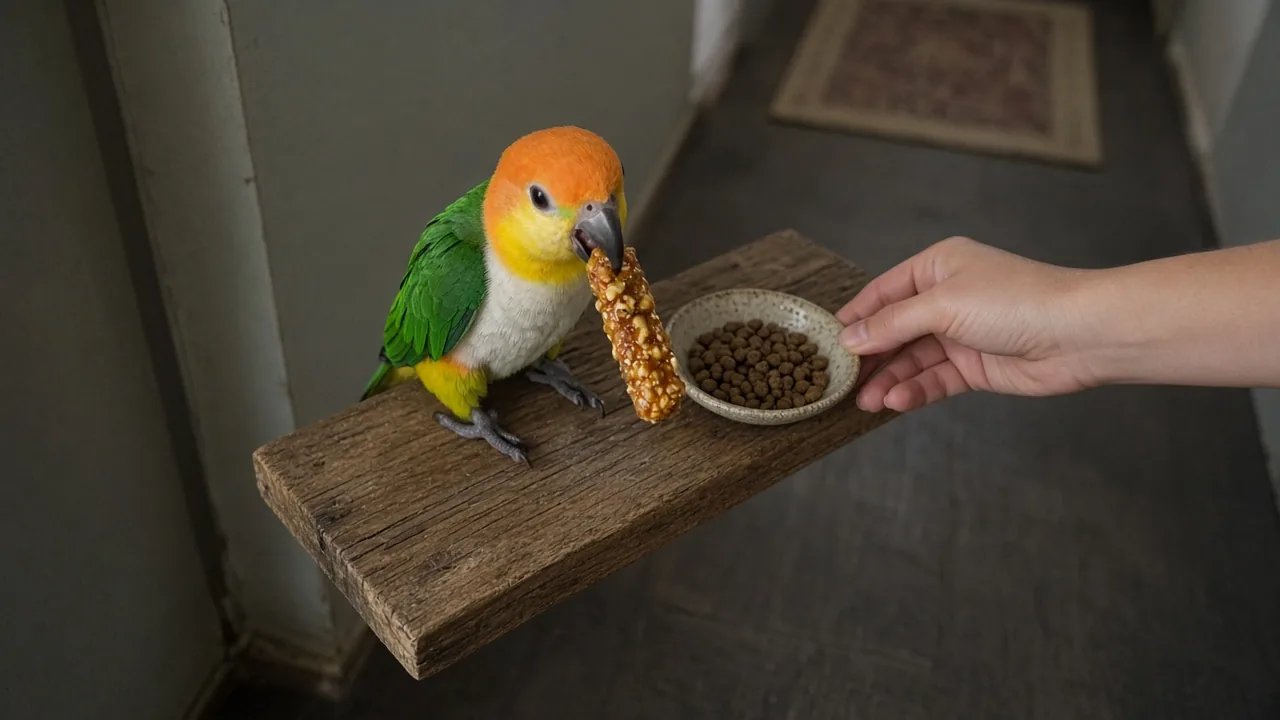
Toy safety gets most of the attention, but a few non-toy products create similar harm through ingestion or irritation, so it is worth checking these at the same time.
- Honey or yogurt-coated treat sticks: Birds are lactose intolerant, so dairy-based coatings can cause digestive upset, and honey sticks tend to be high in sugar, which can lead to picky eating and hormonal swings similar to overly rich diets.
- Extra vitamin drops or supplements: If your bird already eats a mix of pellets, vegetables, and seeds, additional supplements are usually unnecessary and can lead to nutrient overload. Vitamins added to water also tend to spoil the water faster, encouraging bacteria growth.
- Grit for parrots: Grit makes sense for birds like pigeons and doves that swallow food whole, but parrots tear food apart with their beaks and do not need it. Feeding grit to a parrot can let it build up in the crop and cause a blockage.
- Scented bathing sprays and bird shampoos: These often contain chemical ingredients that can irritate skin and eyes and may be inhaled during bathing. Plain water handles bathing needs just fine, including the extra moisture birds want during molting.
- Wood shavings, corn cob, or walnut shell cage bedding: These can mix in with droppings and hide signs of illness, and some materials can develop mold or get swallowed, leading to crop problems. Plain newspaper, unprinted kraft paper, or paper towels are easier to monitor and cheaper to replace.
None of these look like a "toy" in the traditional sense, but the mechanism of harm is the same one running through this whole list: something small, soft, or digestible ends up where it should not be.
How to Choose Safer Toys and Perches for Your Bird’s Species and Beak Strength
A toy that holds up fine for one bird can fall apart in a day for another, because beak strength, body size, and temperament vary a lot between species. Larger parrots with powerful beaks, such as conures, chew through softer plastics and thin wood quickly, which means fraying and small broken pieces show up faster and need more frequent checks. Smaller, gentler-beaked birds may keep the same toy intact for much longer, but that does not mean the toy is automatically safer — it just wears differently.
Temperament matters just as much as bite force. Some conure-type birds play confidently and investigate every toy with their beak, which raises the odds of a bell-gap injury or a chewed-through rope strand. Other species are more cautious or independent and may barely touch a bell toy at all, making the "avoid bells entirely" rule less relevant for them. Watching how your individual bird actually interacts with a toy tells you more than a general species rule does.
When choosing a new toy or perch, run through these questions:
- Is the toy or perch sized so your bird cannot get a body part, beak, or toe trapped in any gap?
- Does your bird tend to chew through material quickly, or does it mostly just perch or peck at things?
- Is the material natural or at least shreddable, rather than a tight weave that produces loose threads?
- If it has a bell or noisy part, is the clapper gap too small for your bird’s beak to reach?
- Does the item match your bird’s size — not too heavy, not easy to swallow pieces of?
Louder, more excitable species may also do better with sturdier stainless steel or thick natural wood toys that can handle frequent, forceful interaction, while quieter or more hesitant birds may do fine with lighter, softer options. There is no single "correct" toy list across species — the goal is matching toy toughness and shape to the bird in front of you.
How Often to Inspect and Replace Cage Toys and Perches
A toy that was safe the day you bought it does not stay that way forever. Building a quick inspection habit into your routine catches problems before they turn into an emergency vet visit.
A simple weekly check works for most households:
- Run your fingers along any rope perch or boing, feeling for loose or frayed strands.
- Check every bell toy’s clapper gap to confirm it still looks too small for your bird’s beak or tongue to reach.
- Press on wood perches to feel for soft, splintering spots from chewing.
- Look at fabric huts or hideaways for pulled threads or holes starting to form.
- Glance at plastic toy parts for cracks, sharp broken edges, or pieces that look close to breaking off.
Remove an item immediately if you notice any of these signs:
- Visible fraying or loose threads on rope, fabric, or boing material
- A widened or damaged gap near a bell clapper
- Cracked, splintered, or soft wood that gives under light pressure
- Small pieces that have already broken off and could be swallowed
- Any part your bird could get a toe, foot, or beak caught in
Rotating two or three safe toys in and out of the cage also helps, since it keeps your bird interested without letting any single item sit in constant use long enough to wear down unnoticed.
Common Questions About Risky Bird Toys and Accessories
I already used some of these products in the past. Did I hurt my bird?
Plenty of owners find out after the fact that they used a sandpaper perch cover or a honey treat stick for years without knowing the risks, and that discovery can bring on real guilt. One useful way to think about it: if your bird is currently eating well, active, and showing no signs of illness, the best move is simply to swap out the risky item now and keep watching for any changes, rather than assuming damage has already been done.
Are small travel cages always bad?
Not for every purpose. A compact cage works fine for short trips, carrying your bird to the vet, or brief travel, since it is not meant to be a full-time home. The concern is specifically about using a small cage as permanent housing, where limited space forces crowding and restricts movement every single day.
How do I know if a bell or mirror toy is actually a problem for my bird?
Watch the behavior, not the toy itself. A bird that enjoys the sound of a bell from a distance or occasionally chats at a mirror is behaving very differently from one that aggressively pecks at a clapper gap or becomes distressed without constant access to its reflection. When in doubt, observe for a week or two before deciding whether to remove the item.
Why do stores still sell toys that carry these risks?
Most of these products are not inherently harmful in every situation — the risk comes from specific designs or from how an individual bird interacts with them, which is hard to capture on a store shelf. That is part of why owner observation matters more than any blanket rule, and why it is worth checking your own cage rather than assuming everything sold as a bird toy is risk-free.
Every bird chews, perches, and plays a little differently, so the most useful habit is watching what your own bird actually does — whether it shreds everything it touches, prefers quiet perching, or investigates every new object beak-first — before deciding what belongs in its cage. Pair that observation with the regular wear checks and toy rotation covered above, and you will catch most problems long before they become serious. If you are setting up toys for other pets at home too, the same logic of matching toughness to actual chewing style and checking for wear applies just as well there.
This article is for general information only and is not a substitute for advice from your veterinarian. Always supervise your pet with a new toy, and replace any toy that is damaged or small enough to swallow.

Contributor
admin
Continue reading
All stories
SMALL PETS & BIRDS · 11 October
DIY Toilet Paper Roll Toys for Hamsters: A Step-by-Step Guide
SMALL PETS & BIRDS · 11 October
Why Does My Rabbit Ignore Chew Toys? What to Try Instead
SMALL PETS & BIRDS · 11 October
Responses
Moderated discussion