SMALL PETS & BIRDS
Why Does My Rabbit Ignore Chew Toys? What to Try Instead
If your rabbit ignores every chew toy you buy, the problem is usually grip and texture, not quality. Here's how to pick toys your rabbit will actually use, from willow baskets to hay-stuffed cardboard.
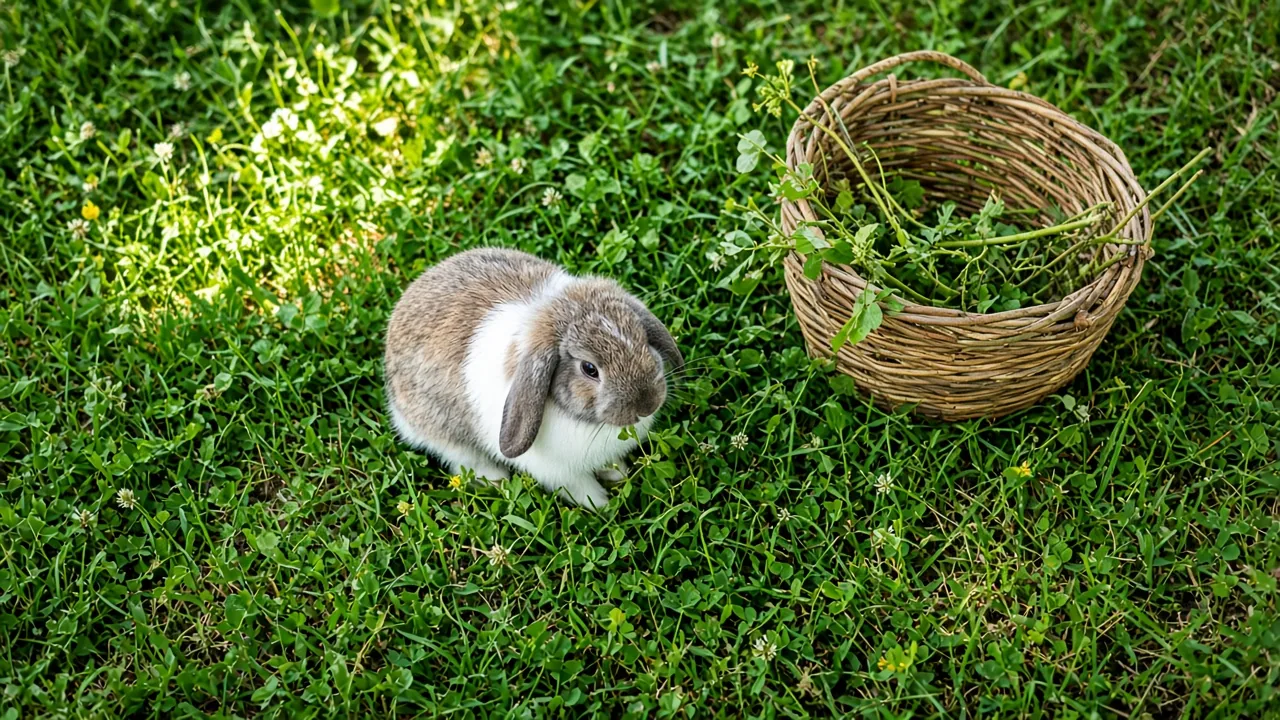
If your rabbit sniffs a new chew toy once and never touches it again, you’re not alone, and you’re not doing anything wrong. Many owners ask why does my rabbit ignore chew toys while watching the same animal happily gnaw a charging cord or a cardboard box. The usual answer has less to do with price and more to do with grip, texture, and whether the toy smells like food.
Why Does My Rabbit Ignore Chew Toys You Already Bought
Rabbit teeth grow continuously for the animal’s entire life. Without regular chewing, those teeth can overgrow, causing pain and feeding problems down the line. That’s the biological reason chewing matters so much, and it’s also why a bored or picky rabbit still needs an outlet even if it snubs the toys on the shelf.
The mismatch usually comes down to two things: grip and payoff. A toy that’s hard to hold between two front paws gets abandoned fast, no matter how sturdy it is. And a toy with no smell, no taste, and no food reward loses out to something that offers both chewing resistance and a reason to keep working at it.
One rabbit owner spent close to $100 testing different chew toys before realizing her rabbit only cared about around 5% of what she’d bought. That’s a common outcome for first-time owners who buy one of everything at once instead of testing a few shapes first. It’s a useful reminder that chew toy shopping works better as a slow process of elimination than a single large order, since even a well-reviewed toy can sit untouched if it doesn’t match your particular rabbit’s habits.
Why Rabbits Prefer Cords, Cardboard, and Household Items
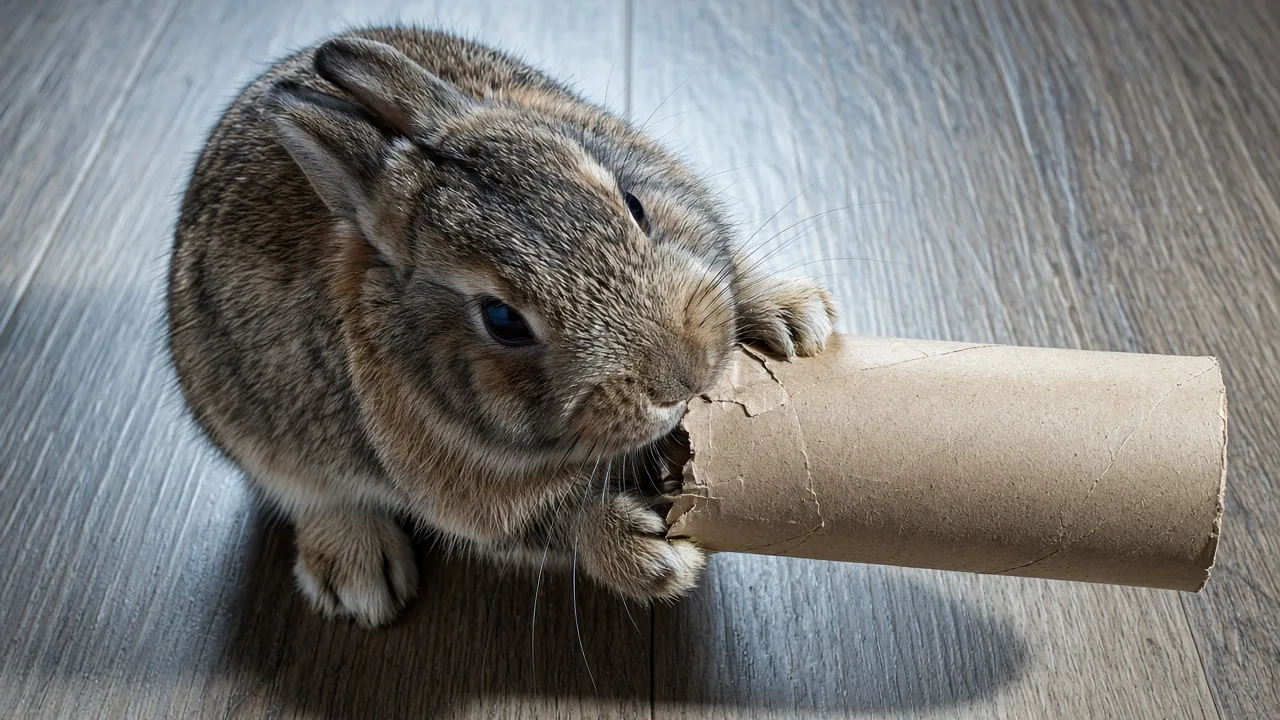
A frequently repeated observation from rabbit owners: their rabbits ignore store-bought toys entirely and go straight for a phone charging cord or a flattened cardboard box. It’s not an isolated case. Cords and cardboard share two traits that many purpose-made chew toys lack.
They’re easy to grip. A cord is thin and flexible enough for a rabbit to hold in its teeth and pull at from any angle, and cardboard flexes and tears in a way that feels satisfying to shred. Compare that to a rigid, oddly-shaped toy that keeps slipping away, and it’s clear why household items sometimes win. There’s also a texture element: both cords and cardboard give a little under the teeth instead of resisting all at once, which seems to make the chewing motion feel more rewarding than gnawing on something uniformly hard.
This doesn’t mean cords are safe for rabbits to chew. Electrical cords pose a real shock and injury risk, and ingested cord fragments can cause digestive blockages. The better move is to redirect that same grip-and-shred instinct toward cardboard scratchers, toilet paper tubes, or woven baskets that mimic the texture rabbits already gravitate toward. Cord covers or cable boxes can help in the meantime, but they’re a stopgap, not a long-term fix, since a determined rabbit will often find another cord to test if nothing else nearby is more interesting.
What You Need Before Choosing a Chew Toy for Your Rabbit
Before buying anything new, put together a small testing kit rather than a full toy box. Rotation and food pairing matter more than any single "best" toy, so start with variety instead of volume.
Gather:
- Two or three toys with different shapes (balls, baskets, flat shapes)
- At least one toy made from a different material than what you’ve already tried (willow, palm leaf, seagrass, or cardboard)
- A handful of hay, forage, or a few pieces of rabbit-safe dried food to stuff inside
- A notebook or phone note to track which shapes or textures get attention within the first day
This setup lets you test grip preference and food-pairing interest at the same time, without spending much upfront. Think of it less as a single purchase and more as a short experiment: a toy your rabbit ignores for a week isn’t a wasted purchase if it tells you something about what to try next, like a different shape or a stronger food incentive.
Step 1: Start with Natural Woven Chews Like Willow and Palm Leaf
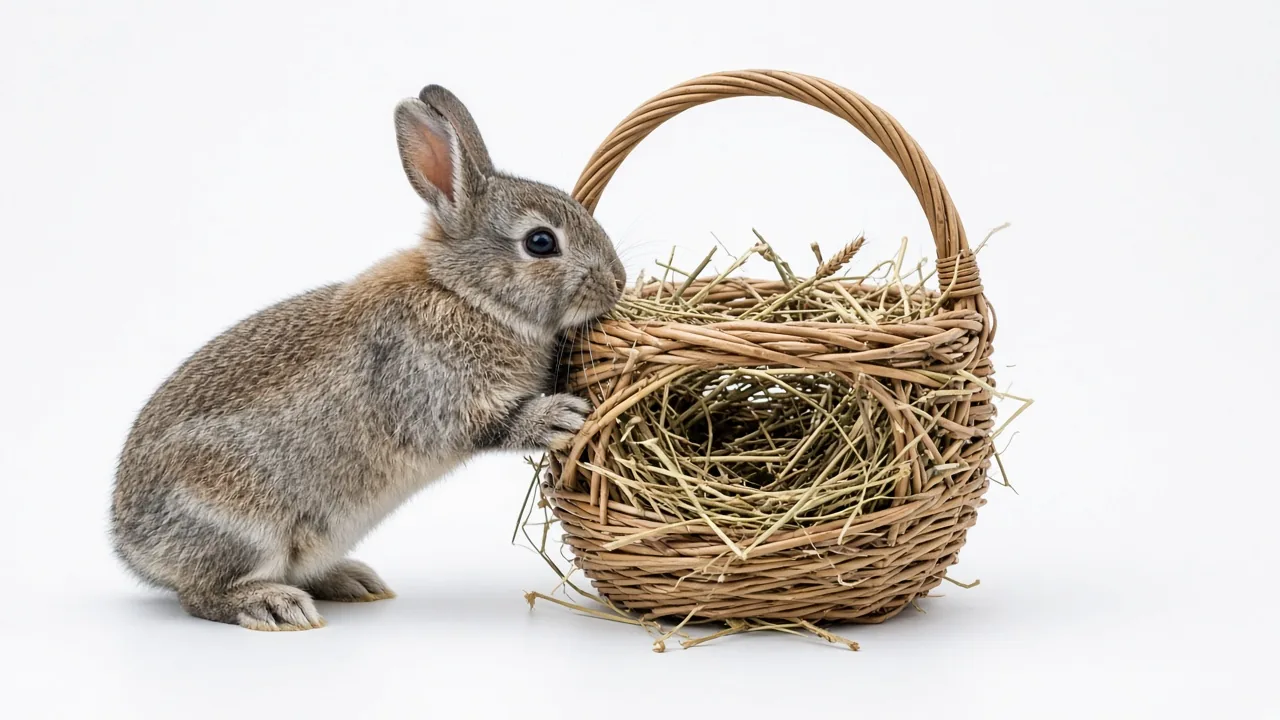
Natural plant-based materials tend to perform well because they’re safe to ingest in small amounts and offer resistance without being painfully hard on teeth. Willow is one of the most consistently well-received options among rabbit owners, though it’s not guaranteed to work for every rabbit.
Willow baskets in particular tend to outperform willow balls. The reason comes back to grip: a basket has an opening and edges a rabbit can hold onto, and you can stuff hay or forage inside so the rabbit chews through the basket to get to the food. One owner described this combination as the toy her rabbit goes for first, almost every time, over anything else in the cage. The food-stuffing trick appears to matter as much as the shape itself, since a basket left empty may get noticeably less attention than one that’s been filled with hay or forage.
Palm leaf bowls are another natural option, usually sold in packs of 15 to 20 for around $10. They’re thicker than willow, which can mean more chewing resistance for a rabbit with a strong bite. If you buy palm leaf products, check the label specifically for a "chemical free" claim, since some woven products are treated during processing and that treatment isn’t something you want your rabbit ingesting.
Willow Ball vs Willow Basket: Which Fits Your Rabbit’s Grip
| Feature | Willow Ball | Willow Basket |
|---|---|---|
| Material | Woven willow | Woven willow |
| Grip | Harder to hold; rounded shape rolls away | Easier to hold; has an opening and rim |
| Chew difficulty | Moderate, but less engaging without grip | Moderate, with sustained interest from stuffing |
| Best use | Rabbits that enjoy pushing or batting toys | Rabbits that like to settle in and chew while eating |
If your rabbit ignores a willow ball, don’t assume it dislikes willow altogether. Try a basket shape instead, or stuff hay into the ball’s gaps to give it something to grab onto. Several owners have found that this small adjustment turns a neglected toy into a favorite, which suggests the willow material itself usually isn’t the problem; the shape and whether there’s something to grip onto make the real difference.
Step 2: Try Edible Lollipop and Clover Chews as Occasional Treats
Some chew toys double as food, and these tend to disappear the fastest because the rabbit has a direct incentive to keep working. Timothy hay-based "lollipop" style chews are one example, with some versions adding small amounts of carrot or apple for extra appeal.
Clover twist chews, made from grass and clover, are sweeter than plain hay and tend to vanish within a single day once introduced. Because of that sweetness, these work well as a periodic treat rather than a daily staple. The faster a chew disappears, the more it’s functioning as a snack rather than a toy, so it’s worth tracking how long each one actually lasts before deciding how often to offer it again.
Edible chews like these should be limited to about one or two servings a week. Treat them the way you’d treat any sweet snack: appealing, useful for keeping a rabbit occupied, but not something to leave in the cage around the clock. They’re especially useful on days when you can’t supervise or interact with your rabbit as much as usual, since the chewing and the food reward combined can keep a rabbit occupied longer than a plain toy would.
When Is It Safe to Introduce Fruit, Clover, or Palm Leaf Chews by Age
Age matters here because a young rabbit’s digestive system is still adjusting, and some of these chews are closer to treats than to hay.
- Plain hay-based chews (no added fruit or vegetables): generally fine from around 4 months old
- Chews with added fruit or vegetable pieces: wait until around 6 months old
- Clover-based chews: introduce no earlier than about 12 weeks old
- Palm leaf bowls: also hold off until around 12 weeks old, since rabbits this young should be eating mostly alfalfa hay rather than palm leaf material
These are general guidelines rather than fixed rules, and if you’re unsure about your rabbit’s readiness for a particular treat-based chew, a quick check with your vet is reasonable, especially for a rabbit with a sensitive stomach. If your rabbit shows any digestive upset, like soft stool or reduced appetite, after trying a new treat-based chew, it’s worth pausing that product and asking your vet before offering it again.
Step 3: Add Low-Cost DIY and Household Alternatives
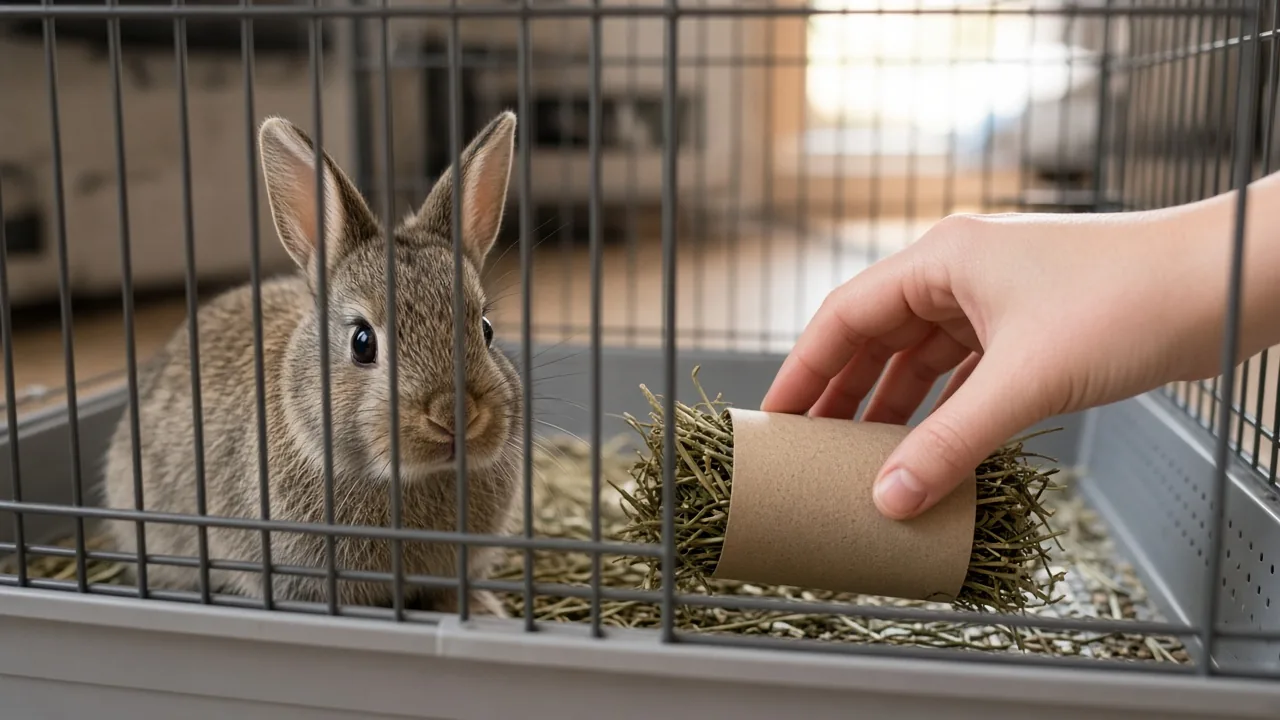
You don’t need to spend much to give your rabbit something satisfying to chew. Several owners have had good results with homemade options that cost next to nothing.
- Toilet paper tubes stuffed with hay, hung or placed in the cage
- Plain, undecorated cardboard scratchers (even ones made for cats)
- Flattened cardboard boxes with tape and labels removed
These work because they combine the same traits that make cords and store cardboard appealing: easy grip, satisfying texture to tear, and in the case of hay-stuffed tubes, a food reward layered in. One owner reported that a homemade hay-stuffed tube got more attention than a toy she’d specifically purchased, at a fraction of the cost. For budget-conscious households, this is often the simplest way to find out whether your rabbit even wants a woven toy before spending money on one.
Keep an eye on any printed ink or glossy coating on cardboard and remove it before giving it to your rabbit, since you want plain, untreated material only. Boxes that previously held food, cleaning products, or anything scented are best avoided, since residue can transfer even after the box looks clean.
Step 4: Rotate Shapes and Textures So Your Rabbit Doesn’t Lose Interest
Even a toy your rabbit loves can lose its appeal if it’s the only thing available week after week. Rotating between a few different shapes and materials keeps curiosity active, somewhat mirroring the way wild rabbits forage across varied terrain and never rely on the exact same food source every day.
A simple rotation might include:
- A woven basket one week
- A hanging chew stick or ball the next
- A hay-stuffed cardboard tube in between
Swapping toys every few days to a week, rather than leaving the same three in the cage indefinitely, is often enough to keep a rabbit interested without buying anything new. Keeping two or three toys in storage while one is active also means you’re not scrambling to find a replacement the moment something wears out or gets chewed past the point of safe use.
How to Check Chew Toys for Safety and Wear
Before you hand your rabbit any chew toy, new or already in rotation, give it a quick inspection:
- Look for loose fibers or threads that could wrap around a paw or get swallowed
- Confirm woven or wooden items are labeled chemical free, with no dyes or treatments
- Check for small, detachable pieces, like beads, bells, or plastic parts, that a rabbit could bite off and swallow
- Watch for sharp edges on any wood or wicker piece that’s starting to splinter
Supervise your rabbit the first few times it uses a new toy. This lets you see how it chews, how fast pieces come off, and whether anything concerning happens before you leave the toy unattended in the cage. Rabbits that chew aggressively can turn a sturdy-looking toy into a hazard within a single sitting, so the first few uses matter more than they might seem to.
How Often to Replace or Refresh Your Rabbit’s Chew Toys
Replacement timing depends heavily on the toy type. Edible chews, like lollipop treats or clover twists, often get finished within a day, so there’s no real "wear" to monitor; just replace them once they’re gone, keeping the one-or-two-times-a-week pace in mind.
Woven toys like willow baskets and palm leaf bowls last longer, but they still need regular checks. Replace or remove a woven toy once it:
- Frays into loose strands your rabbit could swallow
- Shrinks or gets chewed down to a size small enough to fit entirely in your rabbit’s mouth
- Shows signs of mold or dampness from being near water or a damp cage area
Checking woven toys weekly is a reasonable habit, since wear can progress quickly once a rabbit finds a toy it genuinely likes. A toy that was intact on Monday can be down to a handful of loose fibers by the weekend if your rabbit decides it’s a favorite, so don’t rely on how a toy looked the last time you checked.
Troubleshooting: My Rabbit Still Won’t Touch Any Chew Toy
If you’ve tried several shapes and materials and your rabbit still ignores everything, a few adjustments can help before you assume nothing will work:
- Stuff hay or forage into any gaps or openings on the toy to give your rabbit something to grab and a reason to keep chewing.
- Double-check the age guidelines for treat-based chews. If your rabbit is younger than the recommended age for a product, it may simply not be interested yet, or the product may not currently be appropriate.
- Offer a cardboard-based option alongside any purchased toy, since cardboard mimics the texture many rabbits already prefer.
- Accept that individual preference varies widely. Some rabbits chew willow and even plaster walls with real enthusiasm, while others barely touch a toy that another rabbit finished within hours.
- Move the toy to a different spot in the cage or play area. Placement near where your rabbit already rests or forages can sometimes get noticed faster than something tucked into a corner.
If your rabbit avoids every chew option and also shows signs of overgrown teeth, drooling, or trouble eating, that’s a reason to talk to your vet rather than keep testing toys on your own. Dental problems in rabbits can escalate quickly, and a rabbit that seems disinterested in chewing may actually be avoiding it because chewing has become painful.
Frequently Asked Questions About Rabbits and Chew Toys
Why does my rabbit chew cords instead of its toys?
Cords are thin, flexible, and easy to grip in a way many rigid toys aren’t. The behavior reflects a grip and texture preference, not a toy quality problem. Cord-proof your space and offer cardboard or hay-stuffed tubes as a safer substitute.
Is a husk-texture chew ball safe for rabbits?
Some husk-textured balls are made from water hyacinth, a plant fiber. These have worked well for some rabbits, with one owner noting it was the first toy her rabbit chewed through completely. As with any woven toy, check for a chemical-free label and watch for small pieces breaking off.
Why does my rabbit ignore a toy its littermate loves?
Rabbits have individual preferences the same way people do. Grip size, texture tolerance, and even boredom thresholds vary from one rabbit to another, so a toy that’s a sibling’s favorite may simply not interest yours.
Can I use a cat cardboard scratcher for my rabbit?
Plain, undecorated cardboard scratchers can work as a low-cost chewing option. Just make sure there’s no glitter, catnip spray, or printed ink that isn’t meant for ingestion.
How long should a new chew toy take to get my rabbit’s interest?
There’s no fixed timeline, but if a rabbit hasn’t touched a new toy within a few days despite it being placed somewhere accessible, that’s usually a sign to try a different shape, texture, or food pairing rather than waiting longer.
Pay attention to what your rabbit already gnaws, chews, or digs at on its own, and let that guide which toys you try next. Check whatever you offer for fraying, loose pieces, or wear on a regular basis, and swap out anything that’s shrunk small enough to swallow.
This article is for general information only and is not a substitute for advice from your veterinarian. Always supervise your pet with a new toy, and replace any toy that is damaged or small enough to swallow.

Contributor
admin
Continue reading
All stories
SMALL PETS & BIRDS · 11 October
Do Birds Need a Ceramic Heat Lamp Without a Heat Box or School Heater This Winter?
SMALL PETS & BIRDS · 11 October
Can Rabbits Use Cat Litter Safely? What Every Owner Should Know
SMALL PETS & BIRDS · 11 October
Responses
Moderated discussion