DOG TOYS
What Size Kong Is Safe for My Dog? A Weight and Bite Chart
Choosing the right Kong depends on both your dog's weight and how hard it actually bites. This guide walks through sizing by chew strength, life stage, and breed, plus how to fill, inspect, and clean a Kong safely.
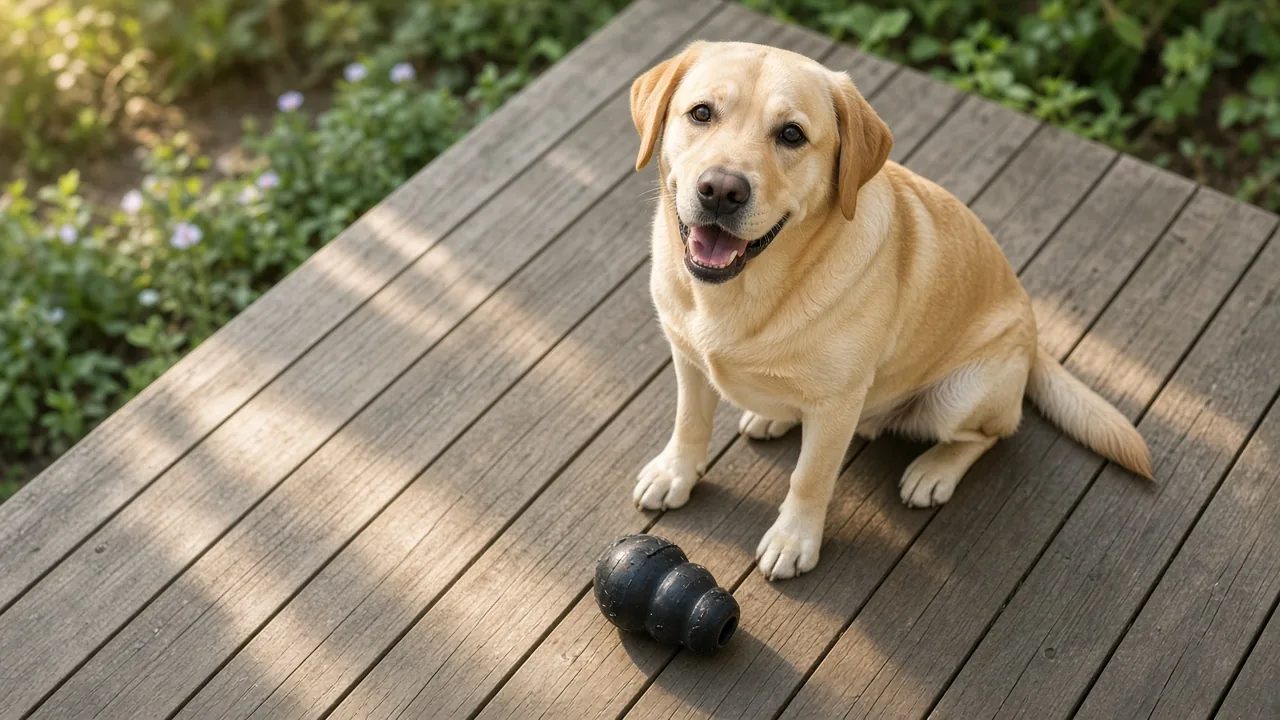
A dog that chews through a Kong faster than expected isn’t being destructive for fun—it’s telling you the toy is the wrong strength for its jaw. Picking what size Kong is safe for your dog depends on two things at once: body weight and how hard your dog actually bites. One owner’s puppy needed emergency surgery after chewing off and swallowing part of an undersized Kong, which is exactly the outcome this guide is meant to help you avoid.
What Size Kong Is Safe for My Dog? Why Weight Alone Isn’t Enough
Kong’s lineup uses color coding to signal chew intensity, not just size. Puppy Kongs come in pink or blue and use a softer rubber meant for developing jaws. The red Classic Kong suits dogs with a moderate, average chewing style. The black Extreme Kong is built for dogs that bite down hard and often, regardless of how big they are.
This matters because two dogs of the same weight can need completely different Kongs. A 40-pound dog that mouths toys gently and a 40-pound dog that cracks rawhide in seconds are not the same customer. Sizing by weight alone can put a soft-rubber toy in front of a dog strong enough to break it apart.
The safest approach treats weight as a starting point and chew strength as the deciding factor. If you’re unsure which way to lean, size up in durability rather than down, since replacing a too-easy toy costs less than an emergency vet visit.
How to Measure Your Dog’s Bite Strength Before Picking a Size
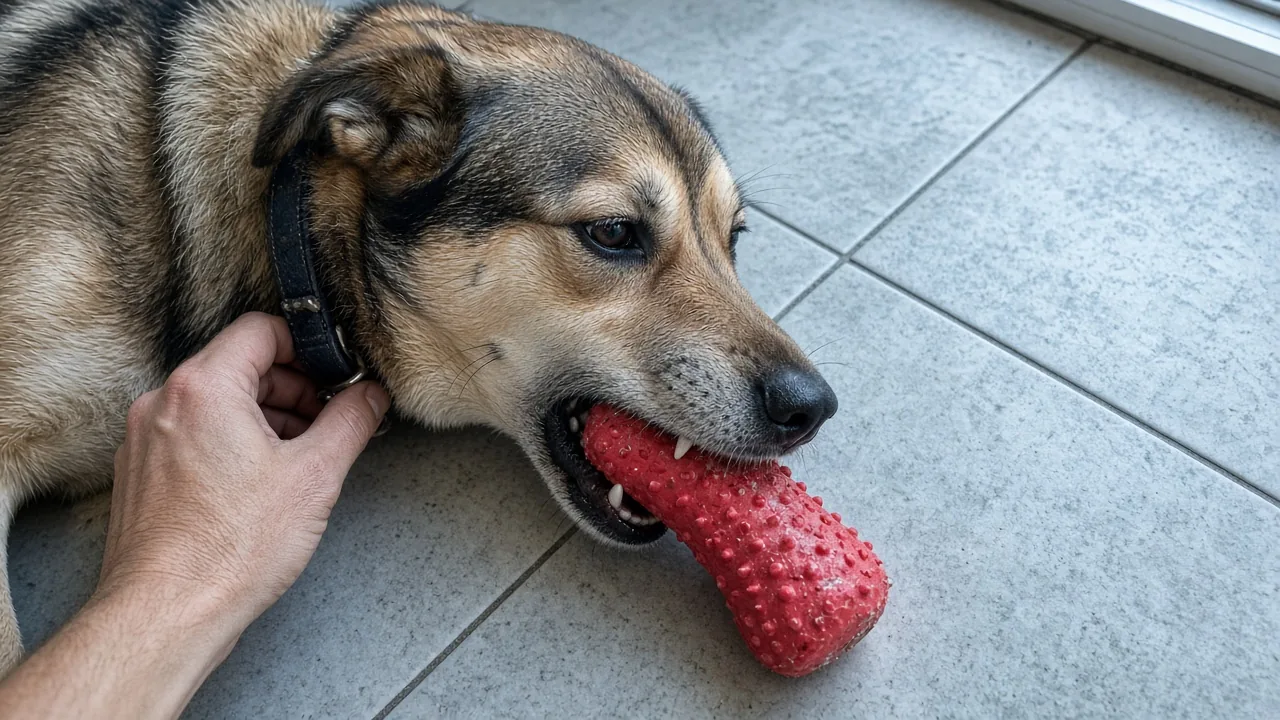
Before you buy, spend a few days watching how your dog treats the toys it already has. Chew strength shows up in patterns you can actually observe, not just in breed stereotypes.
Ask yourself:
- How fast does my dog destroy soft toys—minutes, hours, or do they last for weeks?
- Does my dog chew with the front teeth only, or clamp down with the full jaw?
- Does my dog work on a toy calmly, or attack it with sustained pressure?
- Is my dog a bully-type or working breed with naturally strong jaw muscles?
A dog that shreds a plush toy’s seams within an hour but leaves rubber chews mostly untouched is a lighter chewer than the destruction might suggest. A dog that gnaws steadily and leaves visible tooth indentations in rubber is a harder chewer, even if it looks relaxed while doing it.
Breed build gives you a rough clue but not a guarantee. Bully breeds, mastiffs, and many working-line dogs tend to generate more bite force, but plenty of individual dogs break that pattern in either direction. Watching your own dog’s behavior beats guessing from breed alone.
Signs Your Dog Needs the Extreme (Black) Kong
Some dogs make the decision easy. If your dog cracks a red Classic Kong, chips off visible chunks, or works through standard rubber chews faster than most dogs its size, that’s a clear signal for the black Extreme line.
Bully-type breeds and other dogs with strong, sustained bite pressure often outgrow the Classic Kong quickly, even as puppies. Standard rubber simply wasn’t built to withstand that kind of pressure over and over. The Extreme line uses a denser rubber meant to hold up under repeated hard chewing, which reduces the chance of cracked pieces breaking off and becoming a swallowing risk.
If you’ve already replaced a Classic Kong once due to cracking, that’s reason enough to move up rather than buying the same toy again.
Kong Sizes Compared by Dog Weight, Age, and Chew Level
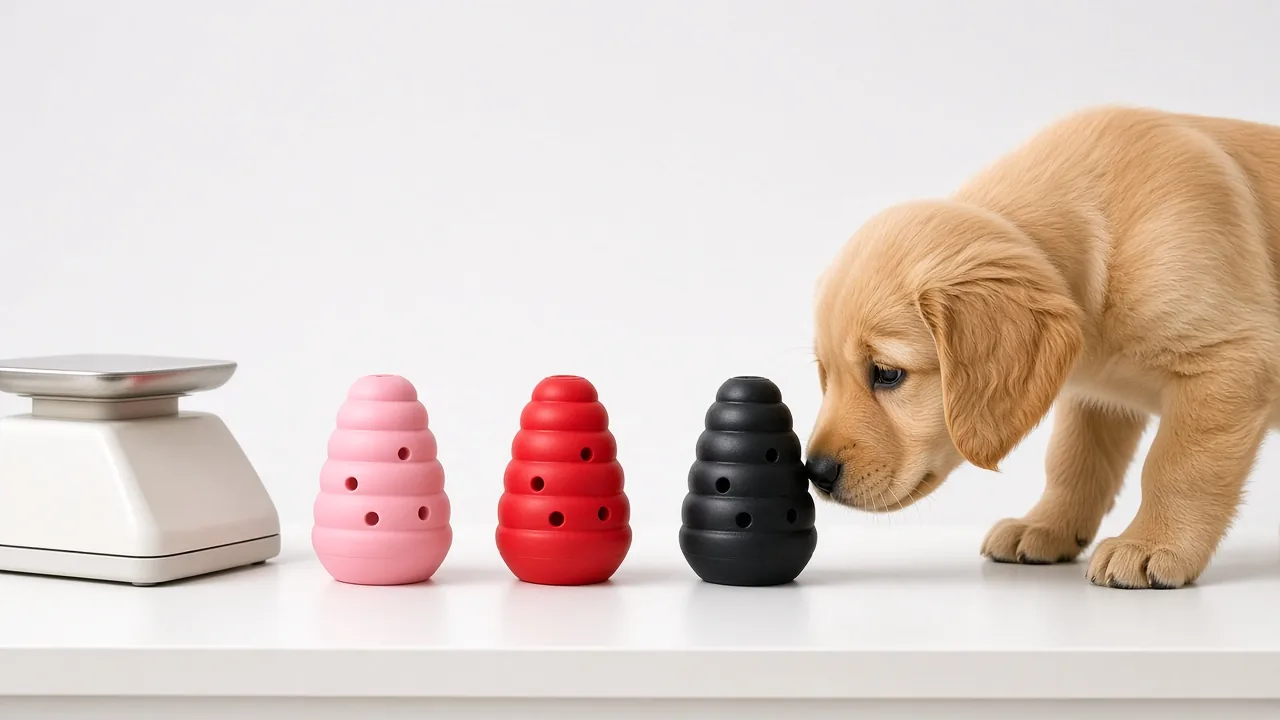
Use this table as a starting reference, then adjust based on what you’ve observed about your dog’s chewing style.
| Kong Line | Color | Typical Weight Range | Life Stage | Material Softness | Best Suited For |
|---|---|---|---|---|---|
| Puppy Kong | Pink / Blue | Under 20 lbs (puppy-specific) | Puppies, teething | Softer rubber | Gentle gnawing, teething relief |
| Classic Kong | Red | Small to large breeds (size varies by model) | Adult dogs, moderate chewers | Medium firmness | Average chew strength, general feeding enrichment |
| Extreme Kong | Black | Medium to giant breeds with strong bite force | Adult dogs, aggressive chewers | Dense, firmer rubber | Bully breeds, strong chewers, heavy destroyers |
A dog that fits the weight range for a size but chews harder than average is usually better served by moving up to the next size or the Extreme line in that size, rather than staying with the "correct" weight match on paper.
How to Choose the Right Kong for Puppies, Adult Dogs, and Seniors
Life stage changes what a dog needs from a Kong, even if the weight stays roughly the same.
Puppies in teething: Soft rubber matters here because developing teeth and gums are more sensitive, and a too-firm Kong can be uncomfortable to gnaw on. A Puppy Kong also tends to be gentler on baby teeth that are still loose or shifting.
Adult dogs: Durability needs to match bite force rather than age alone. A three-year-old moderate chewer does fine with a Classic Kong, while a three-year-old heavy chewer of the same weight likely needs the Extreme line.
Senior dogs: Older dogs sometimes develop dental sensitivity or arthritis in the jaw, which can make firmer rubber less comfortable even if they used to handle an Extreme Kong without issue. If your senior dog seems to be working at a Kong more slowly or avoiding it compared to before, a softer option may be worth trying, alongside a check-in with your vet about dental health.
Choosing a Kong for Small, Medium, Large, and Giant Breeds
Breed size gives you a sizing baseline, but it’s not the whole picture.
- Small-breed dogs: Usually fit the smaller Kong sizes across any color line, but a small dog with an intense chew style (some terriers, for example) may still need the Extreme rubber in a small size rather than Classic.
- Medium-breed dogs: This is where chew-strength differences show up most, since medium dogs range widely from gentle to very strong chewers.
- Large-breed dogs: Larger jaws generally mean more bite force by default, making the Classic line a reasonable starting point but the Extreme line a common upgrade.
- Giant and bully breeds: These dogs often outgrow standard sizing faster than owners expect, both in toy size and durability needs. A giant breed puppy can need a size up well before it reaches full adult weight, and many bully-type dogs need the Extreme line from early adulthood onward.
If you’re sizing for a giant or bully breed, checking the toy weekly for early cracking is worth the extra effort, since these dogs can go from "handling it fine" to "chewed through it" faster than smaller, lighter chewers.
Other Chew and Tug Toys to Compare Alongside a Kong
A Kong isn’t the only toy worth having, and dogs often need more than one type depending on what they’re trying to do—chew, shake, tear, or tug.
Toys roughly split into a few categories: tear-and-shake plushies, chew-and-gnaw items like rope and rubber, and fetch or chase toys. Dogs that like to shake and "kill" a toy often go for oversized plush toys, especially designs with long necks or limbs that are satisfying to whip around. These double as tug toys for dogs that enjoy tug-of-war.
For dogs with a more aggressive tearing habit, Oxford cloth toys hold up better than standard plush fabric, since the material resists tearing and doesn’t release stuffing or small parts as easily. This matters for dogs that don’t just destroy a toy but actually swallow the stuffing and thread afterward, which is a real swallowing risk separate from the choking risk of an undersized Kong.
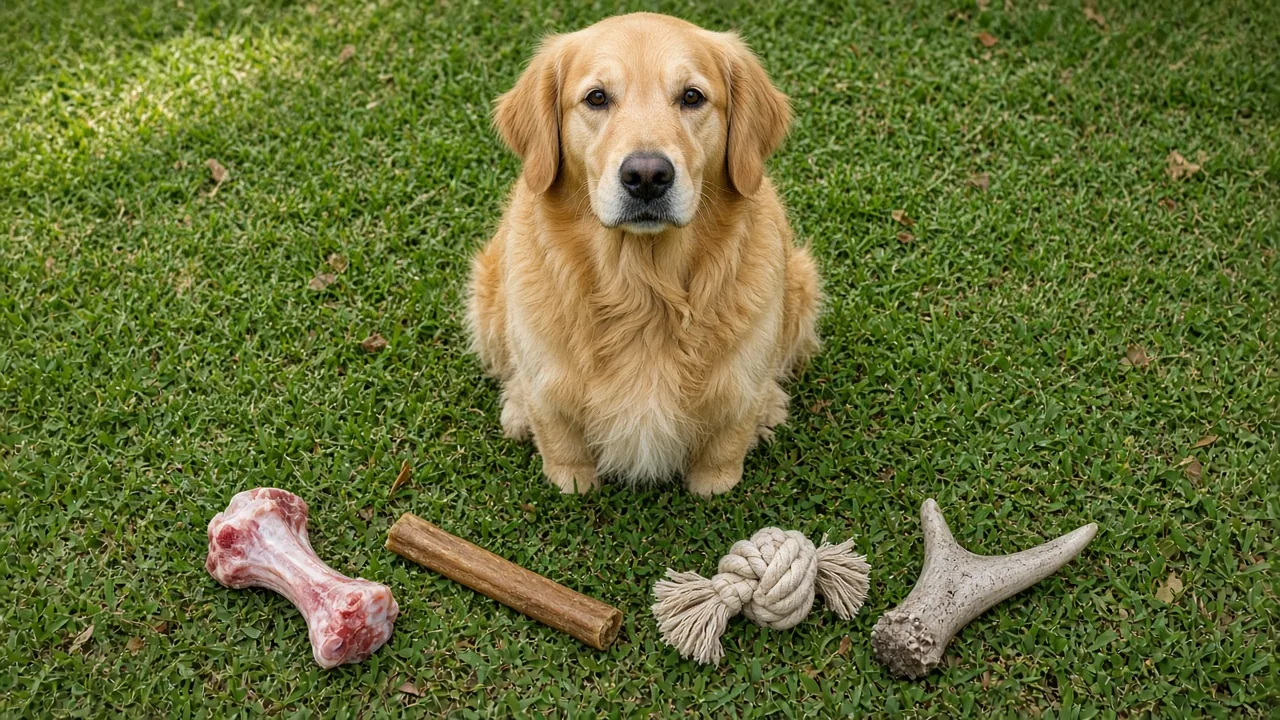
Rope knots serve a different purpose: gnawing and tug-of-war, particularly useful during teething.
Are Rope Toys Safer Than Kongs for Teething Puppies?
Rope toys and Kongs solve teething relief differently, and neither is automatically safer across the board.
A Puppy Kong gives a puppy something firm but gentle to gnaw, with no loose material to come apart. A rope toy gives a different kind of relief—the texture can feel good against sore gums, and many puppies enjoy the tug-of-war element.
The tradeoff is that rope toys fray over time. As the fibers loosen, a puppy can pull off individual threads and swallow them, which creates a linear foreign-body risk that’s different from—but not necessarily less serious than—a cracked chunk of rubber. If you use rope toys during teething, check them often for loose strands and retire the toy once fraying starts, rather than waiting until it’s falling apart.
How to Fill a Kong Safely for Different Chew Levels
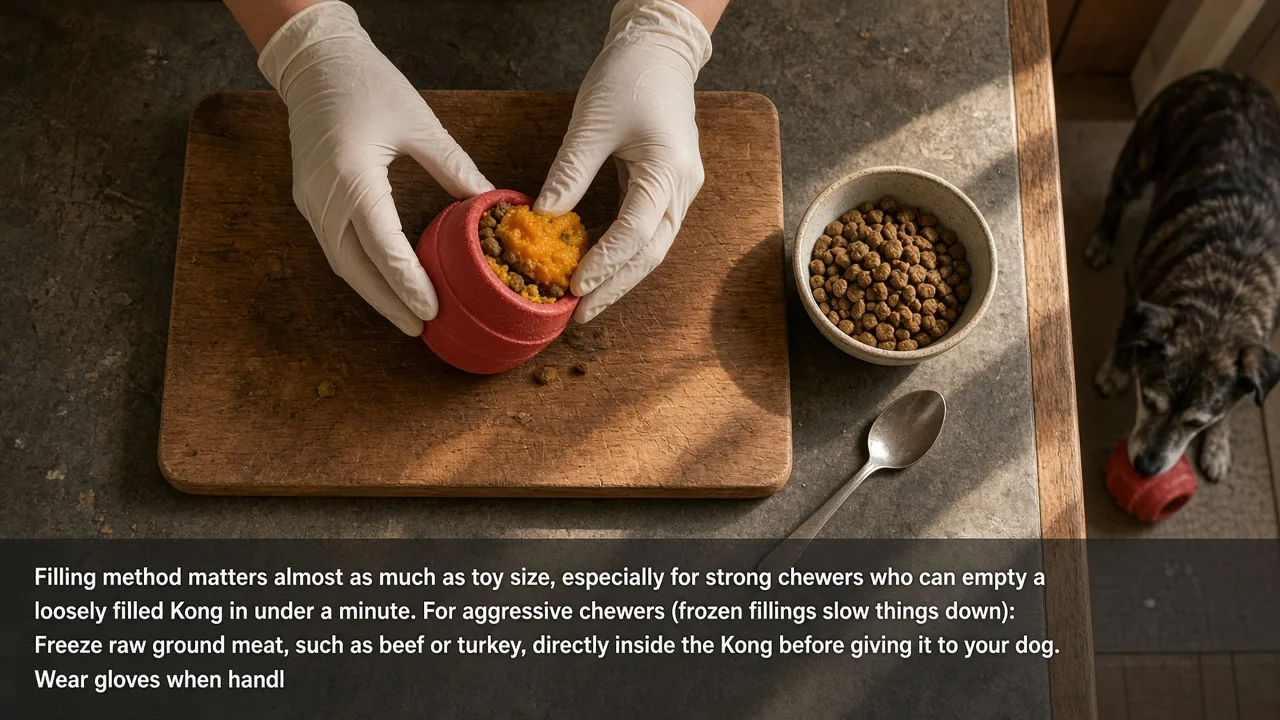
Filling method matters almost as much as toy size, especially for strong chewers who can empty a loosely filled Kong in under a minute.
For aggressive chewers (frozen fillings slow things down):
- Freeze raw ground meat, such as beef or turkey, directly inside the Kong before giving it to your dog.
- Wear gloves when handling raw meat to avoid contact with raw ingredients under your nails.
- Batch-prepare several Kongs at once on a slower day and freeze them for use throughout the week.
Layered pumpkin and kibble method:
- Add a layer of plain canned pumpkin to the bottom of the Kong.
- Add a layer of dry kibble on top.
- Repeat the layers until the Kong is full, finishing with pumpkin on top.
- Freeze before giving it to your dog so it takes longer to work through.
Yogurt and kibble method:
- Mix plain yogurt (roughly a tablespoon) with kibble in a bowl.
- Pack the mixture into the Kong by hand, since hands pack it more firmly than a spoon.
- Freeze if you want to extend how long it takes your dog to finish.
Some owners add a higher-value item like a small piece of liver at the very bottom of the Kong, which gives a strong chewer extra motivation to work all the way through instead of giving up partway. If you’re introducing yogurt for the first time, start with a small amount and watch for digestive upset, since dairy doesn’t agree with every dog.
Freezing any filled Kong is the key step for heavy chewers specifically—it turns a five-minute snack into a longer project and reduces how fast your dog can break off and swallow large pieces.
How to Check a Kong (or Any Chew Toy) for Wear Before Each Use
A quick inspection before handing over a Kong takes under a minute and catches most problems before they become emergencies.
Look for:
- Cracks or splits in the rubber, even hairline ones
- Visible bite marks or indentations that go deep into the material
- Any missing chunks, however small
- Thinning spots where the rubber looks stretched or worn through
- A hole at the base that’s larger than it should be
If you see any of these signs, retire the toy immediately rather than waiting to see if it gets worse. A Kong with a developing crack can give way under pressure in a single hard bite, and that’s exactly the situation that led to one puppy’s emergency surgery after a chunk broke off and was swallowed.
This same inspection routine applies to rope toys, plush toys, and anything else your dog chews regularly—check for fraying, loose seams, and exposed stuffing before each use, not just occasionally.
How Often to Replace a Kong Based on Chew Intensity
There’s no fixed replacement schedule that works for every dog, because chew intensity varies so much. Instead, match your inspection frequency and replacement expectations to how hard your dog chews.
Heavy chewers—dogs that crack Classic Kongs or work steadily at the Extreme line—need checks every few days at minimum, since damage can develop quickly between uses. Light to moderate chewers who treat a Kong mainly as a food puzzle rather than a chew target can often go longer between replacements, but should still get a visual check before each use.
As a general rule, the faster your dog has historically destroyed toys, the more often you should be looking for early signs of wear rather than waiting for an obvious problem.
How to Clean a Kong and Keep It Safe for Repeated Use
Food residue inside a Kong isn’t just unpleasant—it can harbor bacteria, especially after raw meat or dairy fillings sit for any length of time.
After each use:
- Rinse the Kong with warm water as soon as possible after your dog finishes.
- Use a bottle brush or narrow brush to reach the interior cavity, since food can stick to the inner walls.
- Wash with dish soap and warm water, making sure to clean both the opening and the base.
- Let it air dry completely before refilling or storing.
If you fill Kongs with raw meat regularly, consider keeping a dedicated brush and cleaning area separate from where you prepare your own food, similar to how you’d handle raw meat prep in general. Batch-cleaning several Kongs at once on the same day you prepare fillings can make this routine easier to stick with.
Frequently Asked Questions About Kong Sizing and Safety
Can dogs have yogurt as a Kong filling?
Plain yogurt in small amounts works for many dogs and is a common filling choice. Some dogs are sensitive to dairy, though, so introduce it gradually and watch for loose stools or stomach upset before making it a regular filling.
What if my dog ignores a properly sized Kong?
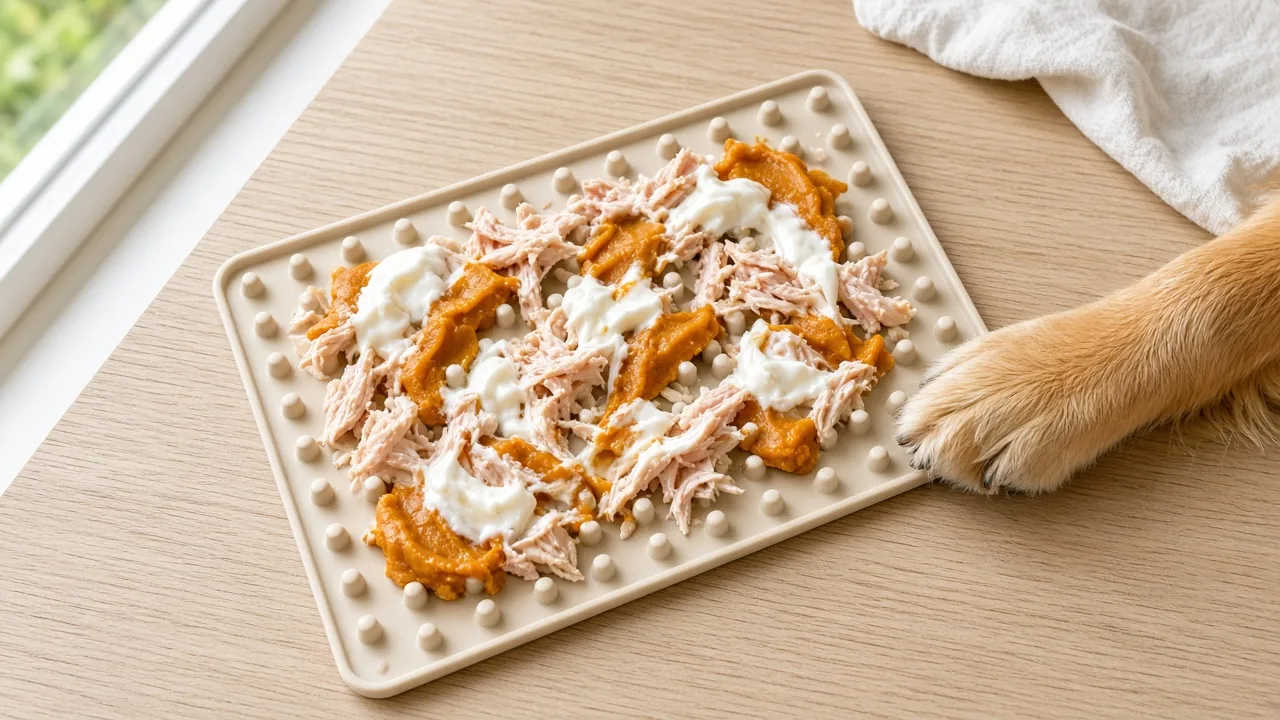
This happens more often than you’d expect, even with the right size and chew strength matched correctly. Some dogs need help learning that working at a toy earns food, which can mean starting with the filling loose or partially outside the Kong before progressing to a fully packed, frozen version. If your dog still shows no interest after trying a few filling methods, it may simply prefer a different toy type, like a lick mat or a puzzle toy with a different shape.
Is a bigger Kong always safer than a smaller one?
Not necessarily. The right size is one your dog can’t fit entirely in its mouth, but sizing up too far can make a Kong hard to grip or chew effectively, which may reduce how much your dog actually uses it. Match size to your dog’s mouth and chew style rather than just going as large as possible.
Can a Kong replace all other chew toys?
No single toy covers every need. Dogs that like to shake, tear, or tug benefit from having a plush or rope toy in rotation alongside a Kong, since these satisfy different instincts that a rubber feeder toy doesn’t address.
Watch how your dog actually plays—whether it’s a dedicated chewer, an enthusiastic shredder, or a dog that would rather chase something across the yard—before settling on a Kong size. Chew strength and toy preferences shift as dogs age, so recheck for cracks and wear regularly rather than assuming last year’s size still fits. If your dog also goes through plush toys or rope knots quickly, the same wear-check habits and a rotation of toy types can help you catch problems early there too.
This article is for general information only and is not a substitute for advice from your veterinarian. Always supervise your pet with a new toy, and replace any toy that is damaged or small enough to swallow.

Contributor
admin
Continue reading
All stories
DOG TOYS · 11 October
DIY Dog Toys From Old T-Shirts: No-Sew Braided Build
DOG TOYS · 11 October
Raw Meaty Bones vs Recreational Bones for Dogs: What’s Safer
DOG TOYS · 11 October
Responses
Moderated discussion