DOG TOYS
Are “Indestructible” Dog Toys Actually Durable? What Heavy Chewers Prove
No chew toy is truly indestructible, but solid rubber, dense weaves, and double-stitched fabric outlast plush and rope under heavy chewing. Learn how to match toy material to your dog's chewing strength and keep every toy safe.
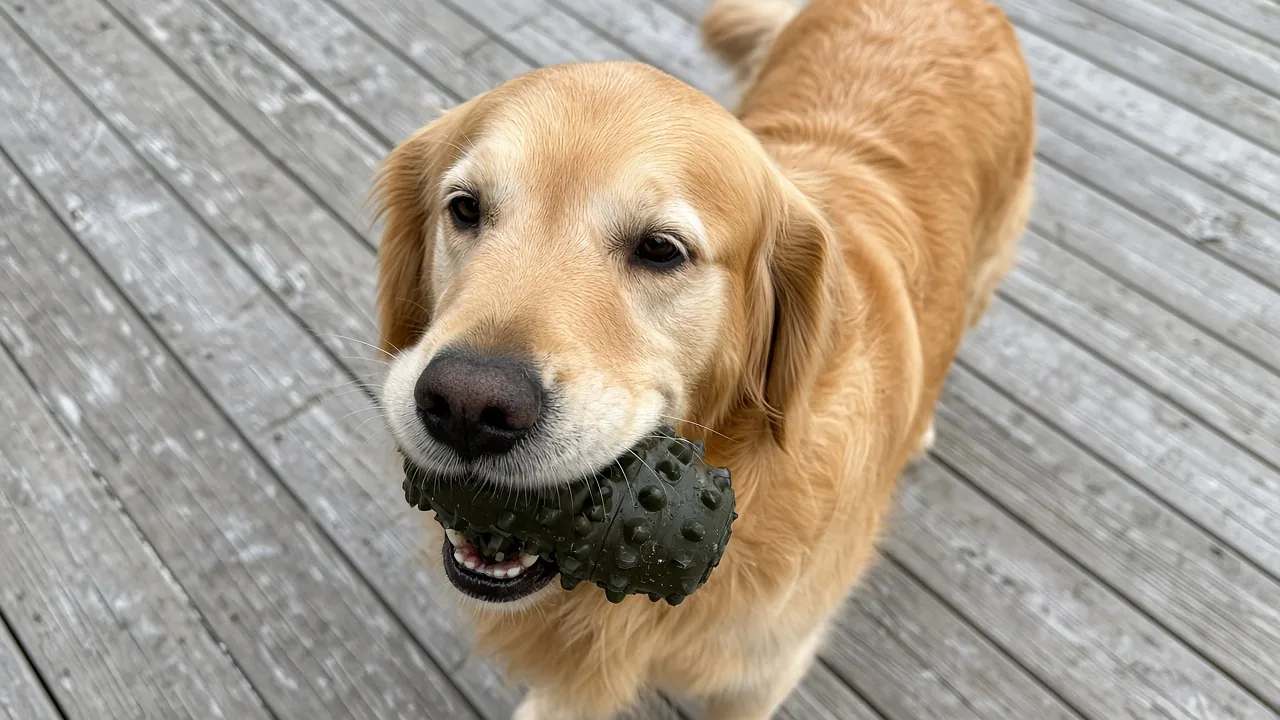
No dog toy is truly indestructible, no matter what the label promises. So are indestructible dog toys actually durable enough for your dog, or are they just tougher than average? Here’s the honest answer: some materials—solid rubber, dense weaves, double-stitched fabric—hold up far longer than plush or thin rope under heavy chewing, but every one of them can eventually give. Set your expectations around "longer-lasting," not "unbreakable," and you’ll pick smarter and worry less.
Are Indestructible Dog Toys Actually Durable? Why the Label Often Fails
Brands love words like "indestructible" and "unbreakable." They sell toys fast. But dog owners who buy these toys for strong chewers report a different story: some toys last only seconds before a seam pops, others survive a few days of steady gnawing before stuffing starts coming out.
That gap between promise and reality isn’t necessarily false advertising. It’s a mismatch between how the toy was tested and how your dog actually chews. A toy that survives light mouthing from a small terrier may not survive ten minutes with a 70-pound Labrador who chews with his back teeth.
"Indestructible" is better read as marketing shorthand for "more durable than a typical toy," not a literal guarantee. The term describes relative toughness, not permanence. Once you accept that framing, you can judge each toy on its actual material and construction instead of the label on the package.
Solid Rubber Chew Toys (Kong-Style)
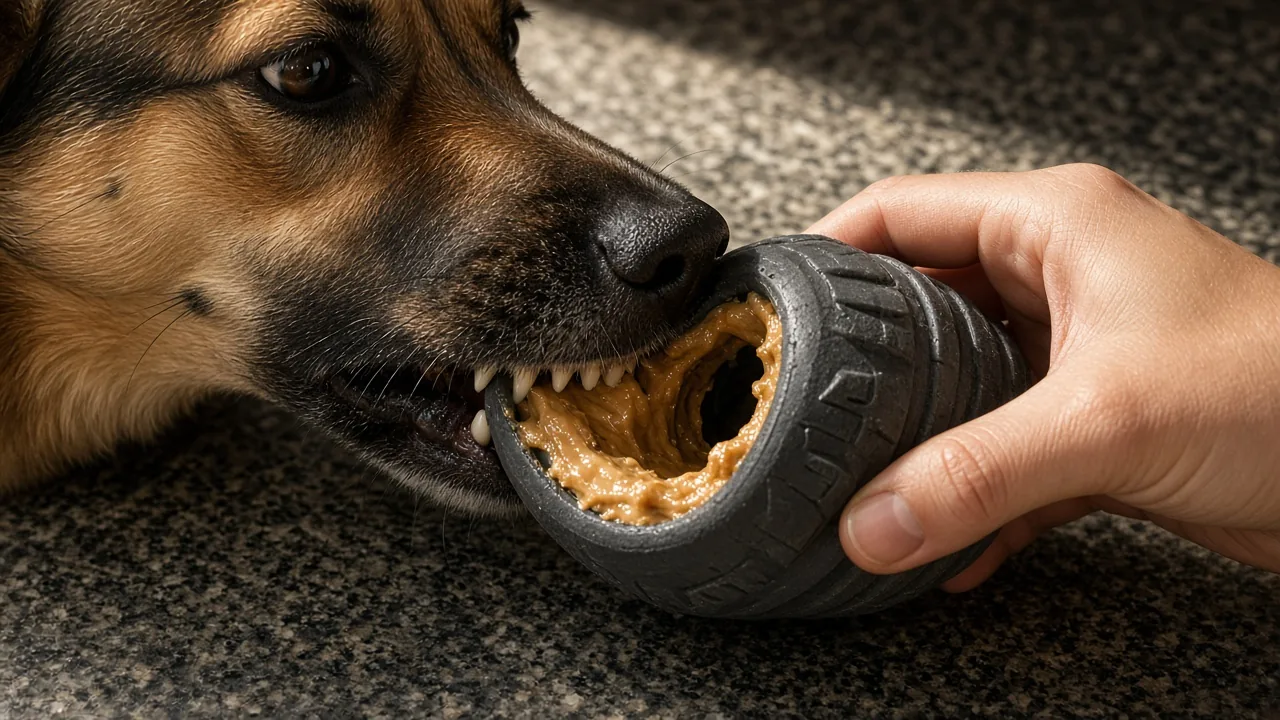
Dense, solid rubber chew toys are the baseline for heavy chewers, and for good reason. The material has enough give to flex under a bite without tearing, which is very different from plush fabric or thin plastic that rips the first time a dog’s back teeth clamp down.
These toys usually come in a range of sizes and shapes, and many have a hollow center you can stuff with treats or peanut butter, which keeps a dog occupied longer and makes the toy more appealing than a plain chew. That stuffing feature also works well for dogs who get anxious when left alone, since the puzzle-solving slows them down.
Solid rubber works for most sizes, from medium dogs to large ones, as long as you match the firmness and size to your dog’s jaw. The catch: rubber is tough, not invincible. A dog with an unusually strong bite can eventually crack or wear through a chunk over months of daily chewing, so even rubber needs regular inspection.
Reinforced Plush Toys with Double-Stitched Seams
Standard plush toys are the first thing to go in a heavy chewer’s toy box. Double-stitched versions—plush toys sewn with reinforced, doubled seams—last noticeably longer than regular stuffed toys because the extra stitching resists the initial pull that normally rips a single seam open.
Some of these toys are made from recycled plastic bottle material rather than new fabric, which is worth knowing if you care about sustainability, though it doesn’t change how the toy holds up to teeth.
Even reinforced plush has a short shelf life with a dedicated chewer. Once a squeaker gets torn out, most dogs lose interest fast, and the toy usually ends up abandoned, half-shredded, in a corner. If your dog is a true power chewer, plush—reinforced or not—is better treated as an occasional supervised toy rather than a daily chew.
Floating Chew Toys for Water-Loving Dogs
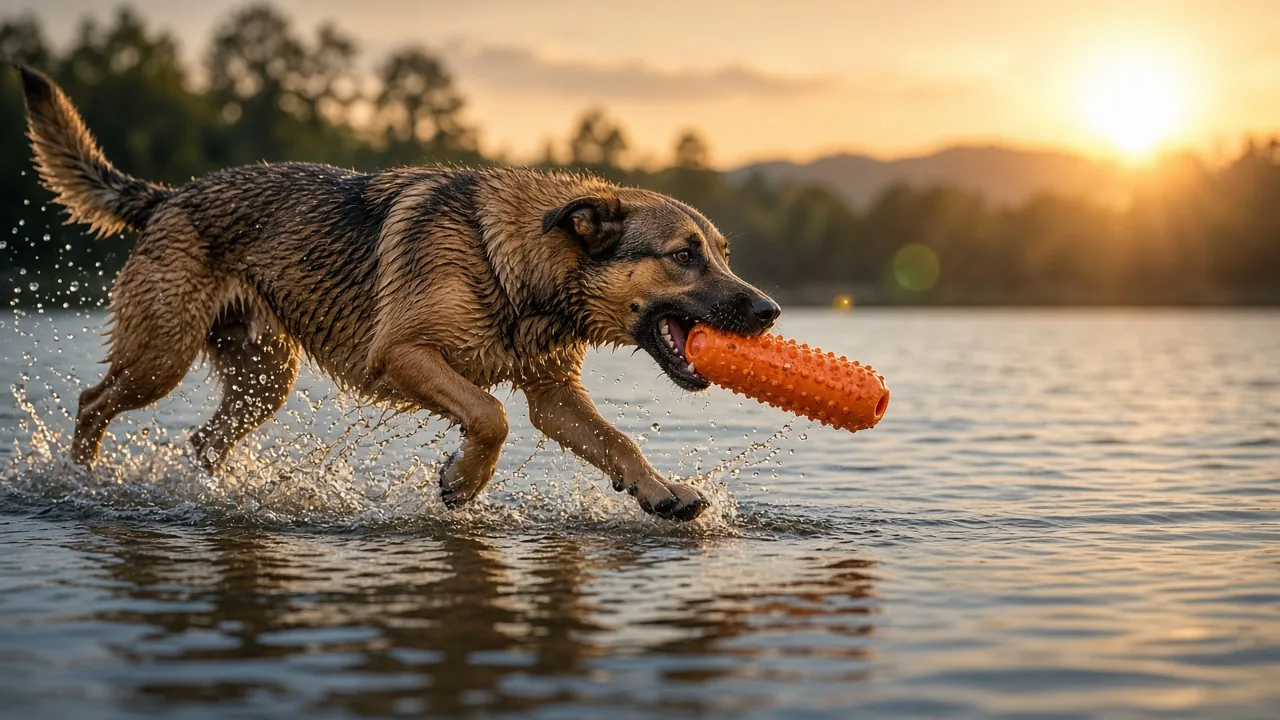
If your dog spends time at the lake, the beach, or chasing toys into a backyard pool, a floating chew toy solves a problem rubber alone doesn’t: retrieval. Buoyant chew material is built to stay on the surface of the water so you’re not diving in after a sunk toy every time you throw it.
To get that buoyancy, these toys usually trade off some of the raw density you’d find in a solid rubber chew. They still hold up well to normal fetch-and-chew play, but they’re not necessarily the toughest option for a dog who gnaws indoors for hours. Think of floating toys as the right pick for the activity (swimming, fetch in water) rather than the top pick for sheer bite resistance.
Donut-Shaped Rubber Chews Marketed as "Foolproof"
Donut-shaped rubber chews are often advertised, and described by owners, as foolproof—meaning close to impossible for a dog to destroy. That reputation holds up reasonably well in everyday use, and many owners of strong chewers do report good results.
Still, "foolproof" is a strong word, and no rubber chew is guaranteed against every bite force. Some dogs have unusually powerful jaws, and determined chewing over a long period can wear down even a well-regarded rubber toy. Treat the foolproof claim as a reasonable track record, not a promise, and keep supervising the first several sessions with any new toy, regardless of what the label says.
Textured Rope and Dental Chew Toys
Rope toys and chew toys with a woven or small-pore surface serve a different purpose than straight durability: the texture creates friction against teeth as your dog chews, which can help loosen plaque, and some materials are also designed to resist picking up odor so they don’t get sour-smelling with daily drool.
If you want a toy that doubles as light dental maintenance, textured chews are worth considering alongside your main rubber or rope toy.
The tradeoff is fraying. Rope strands are the first thing to go under sustained chewing, and once the weave starts coming apart, your dog can swallow loose fibers. A woven toy that looked tough on day one can turn into a safety concern within a few sessions, so rope toys need more frequent checks than solid rubber.
Are Shredded Toy Pieces Dangerous to Swallow?
Yes, and this is worth taking seriously. Once a rope toy frays or a plush toy’s stuffing comes loose, the small pieces your dog pulls off can be swallowed, and depending on size and shape, they can cause choking or get stuck somewhere in the digestive tract.
The practical rule: the moment you see loose threads, exposed stuffing, or a chunk missing from any chew toy, take it away. Don’t wait to see if your dog "settles down" with the damaged toy, and don’t try to patch it with tape or glue. A torn toy is a retired toy, regardless of how durable it was marketed to be.
If you ever suspect your dog has swallowed a piece of a toy, especially if you notice vomiting, loss of appetite, or straining, contact your veterinarian promptly rather than waiting to see if it passes.
Other Chewer-Approved Alternatives Worth Comparing
Beyond the core materials above, some dog owners mention natural antler chews as a long-lasting alternative, since the dense material resists shredding in a way that fabric and rope can’t. Others point to specific brand names worth comparing when shopping for a serious chewer, though not every option works for every dog.
One commenter described a rope toy lasting only about 20 minutes before her dog tore through it, while another found an elk antler chew held up far longer under the same dog’s teeth. These are just two owners’ real experiences rather than data, but they point to a pattern worth remembering: material and construction matter more than any single label, and your own dog’s bite style is the real test.
Experiences with alternatives like these are mixed overall. An antler chew that lasts for weeks with one dog’s gentle gnawing might crack or splinter faster under a dog with a stronger, more aggressive bite style, and dense antlers can also be hard enough to risk a cracked tooth in some dogs. As with every option on this list, judge the toy by how your own dog chews, not by how it performed for someone else’s dog.
How to Choose a Chew Toy by Size, Age, and Chewing Strength
The right toy depends on three things working together: your dog’s size, age, and how hard they actually bite down. Here’s how the main materials stack up when you weigh them side by side.
| Material | Best For | Chew Resistance | Cleaning | Best Play Style |
|---|---|---|---|---|
| Solid rubber | Most sizes, moderate to strong chewers | High | Rinse or wash with water | Gnawing, treat-stuffing |
| Reinforced plush | Light to moderate chewers, puppies | Low to moderate | Spot clean or machine wash per label | Carrying, tugging, cuddling |
| Floating rubber | Dogs who swim or fetch in water | Moderate to high | Rinse with water | Fetch, water play |
| Donut-shaped rubber | Strong chewers | High | Rinse or wash with water | Gnawing, carrying |
| Textured rope/dental chew | Dogs needing teeth friction, moderate chewers | Low to moderate | Wash thoroughly, air dry | Tugging, chewing |
A few practical rules to apply regardless of material:
- The toy should be too large for your dog to swallow whole, even when wet with saliva and slightly compressed.
- The firmness should match the bite: softer rubber for gentler chewers, denser rubber for dogs that chew with real force.
- If your dog can fit the entire toy in their mouth and close their jaw around it fully, size up.
Choosing Toys for Puppies, Adults, and Senior Dogs
Teething puppies have sensitive gums and developing teeth, so softer rubber or textured chews tend to work better than the hardest, densest rubber toys made for adult power chewers. The same goes for senior dogs: as teeth wear down or weaken with age, a toy that’s too hard can crack a tooth rather than just getting chewed.
Reserve the densest, firmest rubber chews for healthy adult dogs with strong, established jaws. If you’re not sure where your dog falls, start with a moderate-firmness toy and watch how they handle it before moving to something tougher.
What to Do If Your Dog’s Chewing Habits Change Suddenly
If a normally calm dog suddenly starts chewing aggressively, it’s worth looking beyond the toy. One dog owner described her 7-and-a-half-year-old dog becoming withdrawn and anxious after a new 25-pound puppy joined the household, with sleep and behavior changes alongside it.
Sudden, intense chewing—especially around a household change like a new pet, a move, or a shift in routine—can be a sign of stress rather than simple destructive chewing. If the change is sudden and persistent, a conversation with your veterinarian or a certified trainer can help rule out anxiety, pain, or a medical issue before you assume it’s just a tough-chewer phase.
How to Check a Chew Toy for Safety Before Each Use
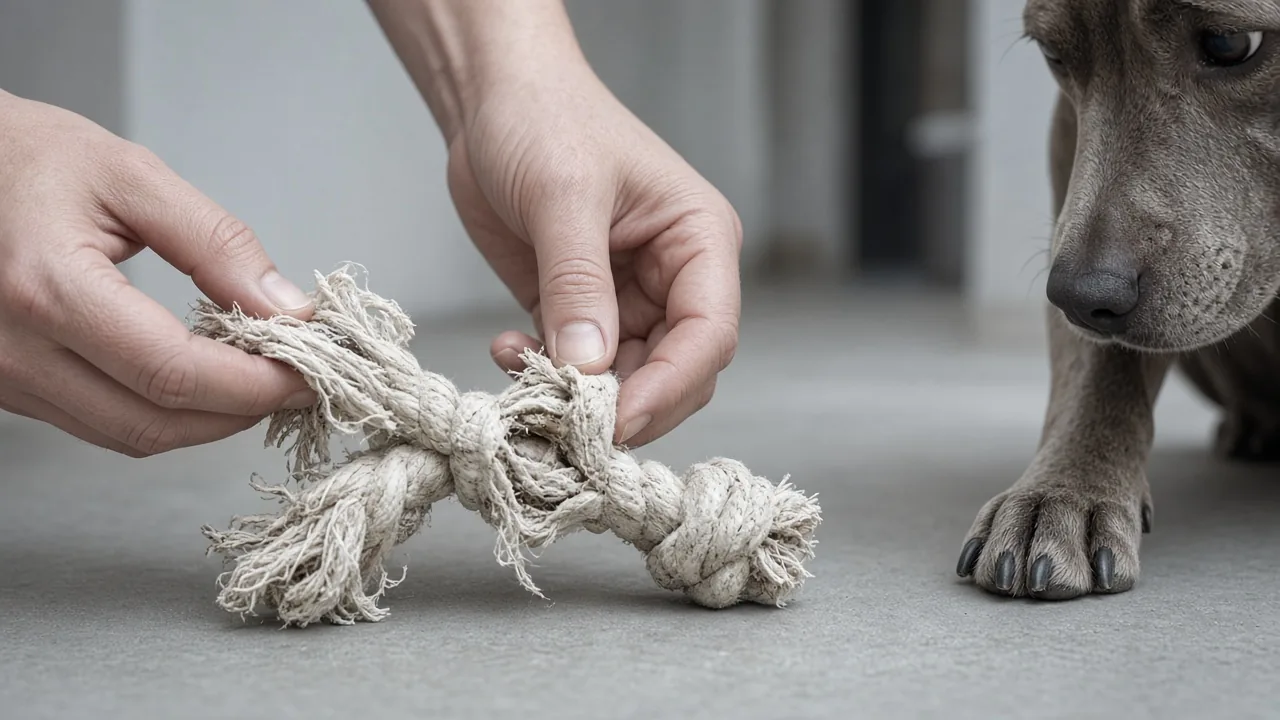
Before you hand over any chew toy, run through a quick check:
- Look for cracks or splits in rubber, especially around stress points like the hollow center.
- Check seams on plush or fabric toys for loose stitching or gaps.
- Confirm any squeaker is still fully enclosed, not exposed or loose.
- Press on the toy to feel for soft spots that weren’t there when it was new.
- Look at rope strands for fraying or thinning.
Any one of these signs means the toy should be retired, not "watched a little longer." A cracked rubber toy can shed a piece large enough to lodge in the throat, and a loose squeaker is a small, hard object that’s easy to swallow. The few minutes it takes to check a toy before each use is far cheaper than an emergency vet visit.
How to Clean Chew Toys and Keep Them Odor-Free
Cleaning routines differ by material, but the goal is the same: get rid of saliva buildup before it starts smelling or growing bacteria.
- Solid rubber toys: Rinse under running water after use, and wash occasionally with mild soap and warm water, rinsing thoroughly afterward. Rubber doesn’t hold odor the way fabric does, so this is usually enough.
- Textured or small-pore toys: These need more thorough scrubbing, since saliva and food particles can collect in the fine ridges and holes. A soft brush helps get into the texture.
- Plush toys: Follow the care label; many can go in the washing machine on a gentle cycle, but check that any squeaker or stuffing won’t come apart in the wash.
- Rope toys: Hand wash and air dry fully, since trapped moisture in a woven rope can lead to mildew.
Let any toy dry completely before giving it back, especially woven or textured ones, since a damp toy sitting in a toy bin is an easy way to end up with an odor problem.
How Often Should You Replace a Dog’s Chew Toy?
There’s no fixed schedule that works for every dog, because wear depends entirely on how often and how hard your dog chews. A toy a light chewer uses for occasional comfort might last for months; the same toy in the mouth of a daily power chewer could show damage within weeks.
Instead of counting down to a replacement date, replace a toy the moment it shows real damage: a crack, a torn seam, an exposed squeaker, or fraying that’s progressed past a few loose threads. "Durable" marketing doesn’t change this rule. A toy sold as heavy-duty still needs to go in the trash once it’s actually damaged, regardless of how tough it was supposed to be.
Keeping two or three toys in rotation also helps, since giving a dog the same single toy every day accelerates wear on that one item and tends to make dogs lose interest faster anyway.
Common Questions About Durable Dog Chew Toys
Is any dog toy actually indestructible?
No. Materials like solid rubber and dense weaves resist damage far better than plush or rope, but a strong enough bite, applied often enough, can eventually wear down or break any toy. Treat "durable" as a spectrum, not an absolute.
Is it ever safe to leave a dog alone with a chew toy unsupervised?
Only once you’ve watched your dog use that specific toy multiple times and confirmed they’re not tearing off pieces. Even then, check the toy regularly for new damage, since a toy that was safe last week can develop a crack or loose seam without you noticing until the next inspection.
Are antler chews or other alternative chews worth trying?
They can be, especially for dogs who go through rubber or rope quickly, but antlers and similarly dense natural chews are hard enough that they carry some of the same tooth-fracture risk as very hard rubber. If your dog chews aggressively, watch how they handle a new antler chew the same way you would any other new toy, and stop use if you notice chipped teeth, bleeding gums, or reluctance to chew on that side.
Picking a chew toy comes down to watching how your dog actually plays: whether they gnaw steadily, tug hard, chase a toy across the yard, or carry it around like a trophy, and matching the material and firmness to that style rather than to a label on the package. Recheck every toy in your dog’s rotation on a regular basis, and swap out anything showing cracks, fraying, or loose parts before it becomes a problem rather than after. If you also have a cat or small pet at home, the same basic checklist—size, wear, and regular toy rotation—applies when you’re sizing up their toys, too.
This article is for general information only and is not a substitute for advice from your veterinarian. Always supervise your pet with a new toy, and replace any toy that is damaged or small enough to swallow.

Contributor
admin
Continue reading
All stories
DOG TOYS · 11 October
DIY Dog Puzzle Toys from Household Items That Cost You Nothing
DOG TOYS · 11 October
How to Build a DIY Robot Dog Toy: ESP32 Parts to Setup Guide
DOG TOYS · 11 October
Responses
Moderated discussion