SMALL PETS & BIRDS
Do Guinea Pigs Smell Bad Indoors? Causes and Odor Fixes
Guinea pigs don't smell bad on their own, but ammonia from wet bedding and leftover waste can make their cage smell strong indoors. This guide covers the real causes and practical bedding, cleaning, and diet fixes.
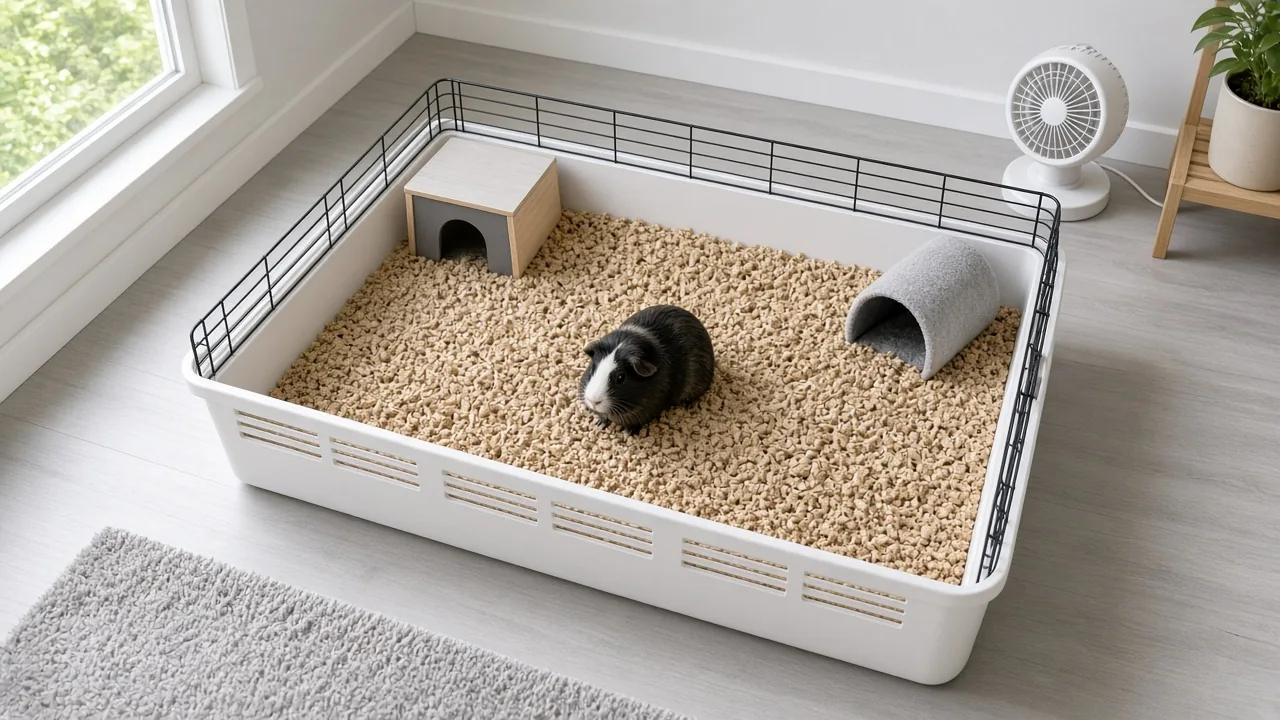
If you’ve ever walked past a guinea pig cage and caught a sharp, sour whiff before you even got close, you already know the answer: yes, guinea pigs can smell bad indoors, but the odor comes from ammonia building up in wet bedding and leftover waste, not from the animal itself. A guinea pig kept in a clean, well-sized cage with the right bedding and a consistent cleaning schedule produces far less smell than one left to sit in soggy shavings for a week. The good news is that most of the factors behind the odor are things you can actually control, and none of them require special equipment or a lot of money.
This guide works through those factors in order of how much influence you have over them, starting with the biology behind the smell and ending with the cleaning routine that keeps it in check, plus a few notes on enrichment and when a change in odor means something more than a dirty cage.
Why Do Guinea Pigs Smell Bad Indoors? The Real Causes of Strong Odor
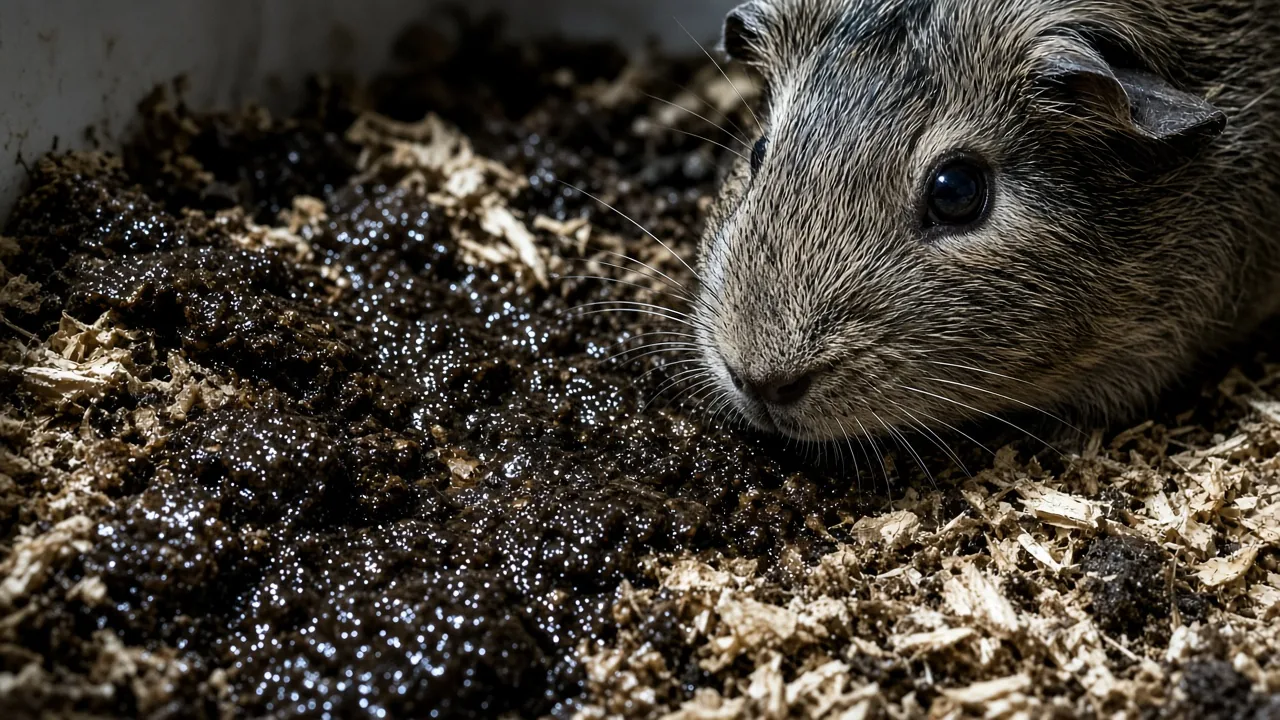
Guinea pig odor mainly comes from ammonia, which forms when urine sits in bedding and starts to break down. Bacteria in the bedding feed on the urea in urine and release ammonia as a byproduct, and that process speeds up with warmth and moisture. The longer wet bedding stays in the cage, the stronger that ammonia smell becomes, and it’s usually what people mean when they say a guinea pig cage smells bad.
The second contributor is soft, moist droppings called cecotropes. Guinea pigs produce these as part of normal digestion, and most guinea pigs eat them directly to absorb nutrients they didn’t fully extract the first time through. When some get left behind in the bedding instead, they decompose quickly and add a stronger, sourer smell than regular waste.
In other words, the guinea pig isn’t inherently a smelly animal. A healthy guinea pig in a clean cage has a mild, earthy scent at most. The strong odor people associate with guinea pigs is really a sign that urine and soft droppings have had time to sit and break down, and that’s true whether you keep one guinea pig or several. Guinea pigs are social animals and do better living in pairs or small groups, but more guinea pigs in the same footprint means waste accumulates faster, so the cleaning routine below needs to scale with however many you’re housing.
Cecotropes vs. Regular Droppings: Which One Causes the Strongest Smell
Regular guinea pig droppings are firm, oval pellets with very little odor on their own, especially if you catch them before they absorb moisture from the bedding. Cecotropes look different: they’re softer, often clustered, and darker in color, and they tend to show up in one or two spots rather than scattered across the whole cage.
Because cecotropes are moist and nutrient-dense, bacteria break them down much faster than firm pellets. If you notice a stronger, sharper smell coming from one spot in the cage, check that area first. Soft, uneaten cecotropes are a common culprit, and finding a cluster of them can also tell you whether your guinea pig is actually eating them as it should, since a guinea pig that skips this step may be dealing with mobility issues, dental pain, or stress. An older guinea pig with stiff joints, for instance, may simply have a harder time reaching the cecotropes it produces, which is worth mentioning to a veterinarian if you notice it happening consistently.
How Diet Affects Guinea Pig Odor and Droppings
What you feed a guinea pig shows up directly in the litter tray. Greens with high water content, like certain lettuces or watery vegetables, can loosen stool and make waste smell stronger and spoil faster in warm rooms. Feeding smaller portions of wet greens and rotating in drier vegetables, such as bell pepper or herbs, helps keep droppings firmer and less odorous without cutting out variety altogether.
Vitamin C intake matters too, though less for odor and more for overall droppings consistency. Guinea pigs can’t produce their own vitamin C, so an inconsistent supply from pellets or vegetables can affect digestion and, indirectly, stool quality. A diet that leans too heavily on hay and pellets alone, without any fresh vitamin C source, can show up as softer or more irregular droppings over time, even if the smell itself doesn’t change dramatically from day to day.
If you’ve adjusted the diet and the odor or stool consistency still seems off after a few days, treat that as a signal to look further rather than a diet problem alone. Persistent loose or runny droppings, especially paired with a stronger smell than usual, can point toward illness rather than something simply fixed by changing greens. That’s a situation worth discussing with a veterinarian rather than guessing at home, particularly if it comes with any drop in appetite or energy.
Choosing Bedding That Actually Reduces Guinea Pig Smell
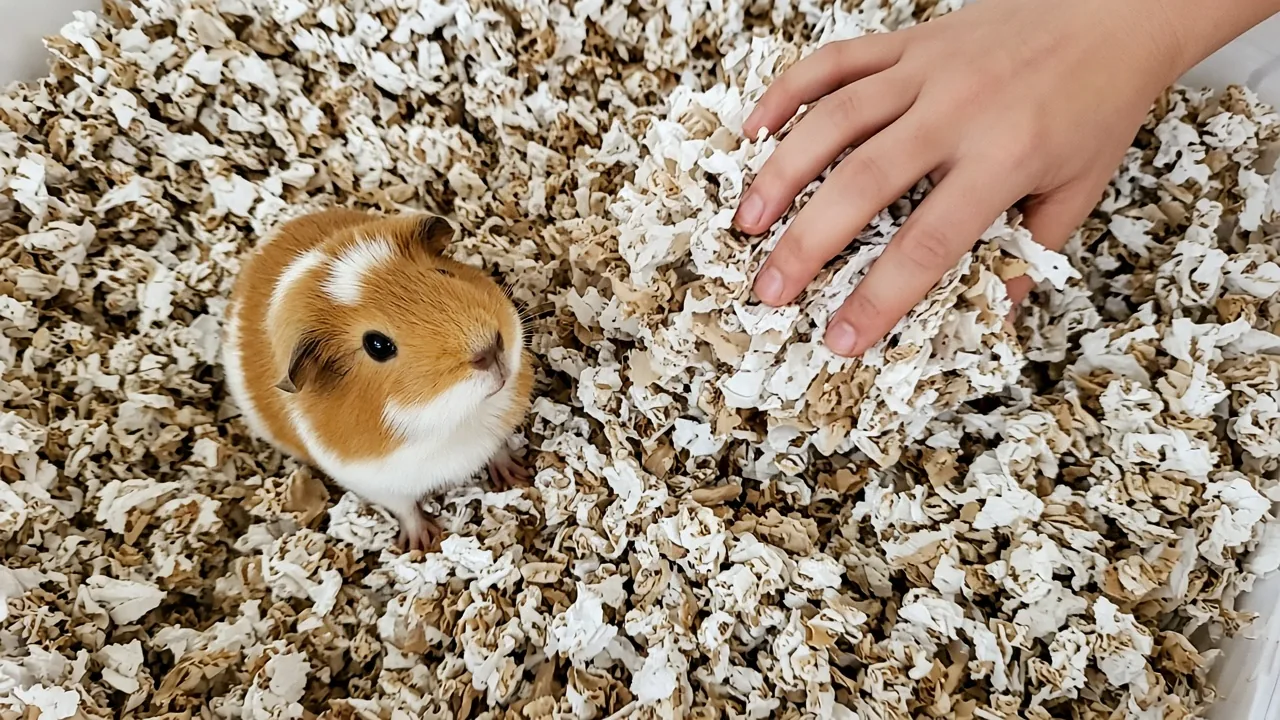
Bedding is where most of the odor control actually happens, and the brand matters far less than two practical factors: how absorbent it is and how often you change it. A highly absorbent bedding that locks in moisture at the bottom of the cage will outperform a cheaper, less absorbent option even if the cheaper one costs less per bag.
Here’s a general comparison of common bedding types used for guinea pigs:
| Bedding Type | Absorbency | Odor Control | Dust Level | Change Frequency Needed |
|---|---|---|---|---|
| Paper-based bedding | High | Good | Low | Every 3–5 days |
| Fleece liners (with absorbent layer underneath) | High if layered properly | Good | Very low | Daily spot-clean, full wash weekly |
| Wood shavings (kiln-dried) | Moderate | Moderate | Low to moderate | Every 3–4 days |
| Hay as sole bedding | Low | Poor on its own | Low | Daily, since it doesn’t absorb urine well |
A few practical notes:
- Thin layers of any bedding soak through fast and start smelling within a day or two, regardless of brand.
- Fleece setups work well for odor control, but only if there’s an absorbent layer underneath pulling moisture away from the surface the guinea pig stands on. A fleece liner laid directly on a plastic cage bottom with nothing underneath will smell within a day, no matter how often you spot-clean the surface.
- Avoid cedar shavings, since the oils can irritate a guinea pig’s respiratory system over time, which is a separate concern from odor but worth keeping in mind when you’re comparing bedding types at the store.
- Depth matters as much as material. A thin scatter of paper bedding across the cage floor behaves more like hay than like a true absorbent layer, so building up a reasonable depth matters more than which specific brand you buy.
If your cage smells strong well before your usual cleaning day, the bedding is probably too thin or not absorbent enough for the number of guinea pigs you’re housing, not a sign you need a different brand entirely.
Cage Size, Placement, and Airflow for a Less Smelly Indoor Habitat
A cage that’s too small concentrates waste into a tight space, which means ammonia builds up faster no matter how good your bedding is. If you’re keeping two or more guinea pigs, as many owners do since guinea pigs are social animals, the cage needs to scale up accordingly, not just stay the same size with more animals inside it. A cage sized for one guinea pig that now holds three will smell noticeably stronger within a day or two of a full clean, even with excellent bedding.
Placement in the room matters almost as much as the cage itself. A guinea pig habitat tucked into a corner with little airflow traps odor and moisture, while a spot with some air circulation, away from direct heating vents or sunlight, helps smells dissipate instead of settling into the room.
A few placement guidelines worth following:
- Keep the cage away from closed closets or tight corners where air doesn’t move.
- Avoid placing it directly next to heating or air conditioning vents, since both can dry out bedding unevenly or create temperature swings guinea pigs are sensitive to.
- If your home has poor ventilation in general, consider a small fan nearby, pointed so it doesn’t blow directly on the guinea pig, to keep air moving around the cage.
- Give the cage some distance from direct sunlight, since guinea pigs tolerate heat poorly and a warm, humid microclimate inside the cage speeds up ammonia formation along with the risk of heat stress.
Owners who scale up cage size when adding a second or third guinea pig consistently report less odor between cleanings, since waste is spread over more bedding surface area instead of piling up in one small footprint.
How Often to Clean a Guinea Pig Cage to Keep Odor Under Control
A single large cleaning once a week is usually not enough on its own. Waste and moisture build up fastest in the first day or two after a full clean, so daily spot-cleaning matters more than people expect.
A workable routine looks like this:
- Each day, remove visible droppings and any wet or soiled bedding, especially in the corner your guinea pig uses most for urination.
- Check food and water areas daily, since spilled greens or wet pellets left in the cage add to the smell just as much as waste does.
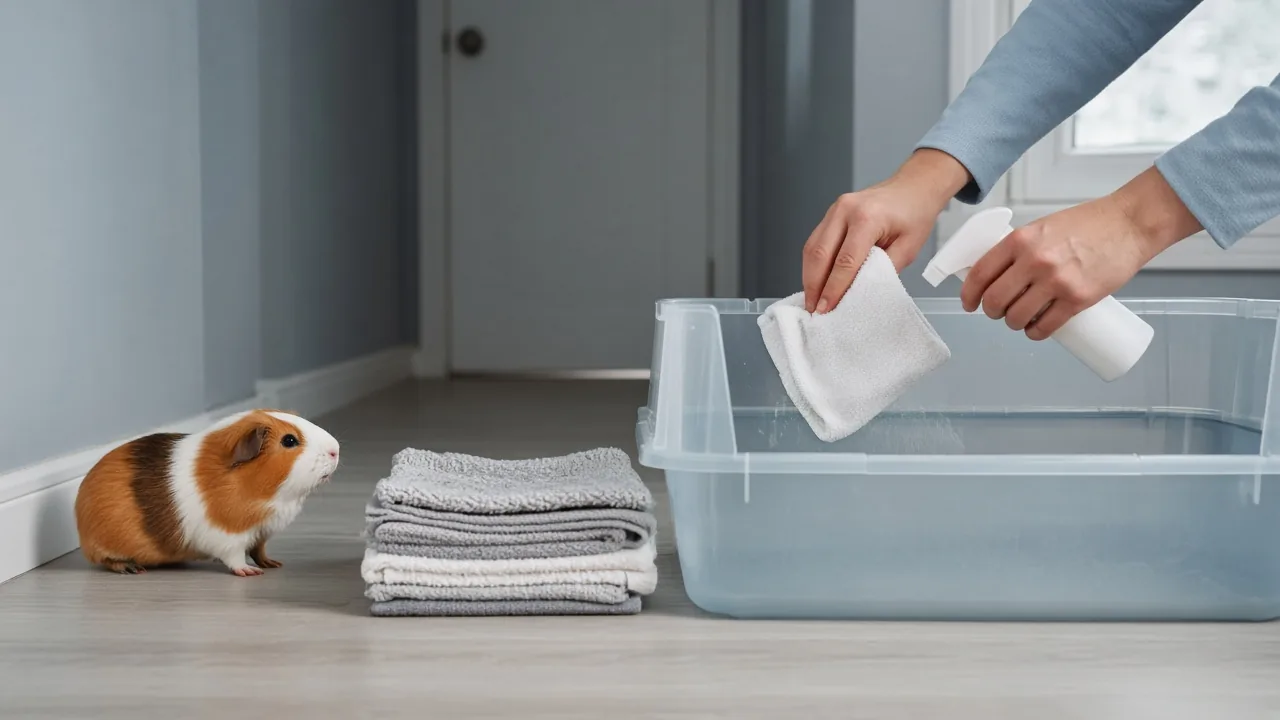
- Every 3–5 days (sooner for smaller cages or multiple guinea pigs), do a full bedding change: remove all bedding, wipe down the cage base, and let it dry before adding fresh bedding.
- Wash fleece liners, if you use them, at least once a week, more often if you notice lingering odor after washing.
- Deep-clean hard surfaces, including hideouts and water bottles, every one to two weeks to prevent buildup you might not immediately smell but that still contributes to overall odor.
Owners who skip the daily spot-clean step and rely only on a weekly deep clean tend to notice a stronger smell by day four or five, even with good bedding. The daily step is quick, usually just a few minutes, but it’s the part that keeps odor from accumulating between the bigger cleanings. A mild, pet-safe cage cleaner or a simple vinegar and water solution works for wiping down plastic cage bottoms; stronger household cleaners can leave residue that irritates a guinea pig’s skin or respiratory system, so it’s worth rinsing well and letting surfaces dry fully before adding fresh bedding.
Enrichment, Chew Items, and Keeping the Cage from Smelling Worse
Guinea pigs chew constantly, both to wear down teeth that grow continuously and simply because they’re curious. Giving them something safe to gnaw on, like untreated wood chews or hay-based toys, reduces how much they chew on bedding or cage furniture, which indirectly helps keep the cage tidier. Look for items made from natural, non-toxic materials without small plastic parts, loose threads, or anything that could come apart into pieces small enough to swallow, since guinea pigs will test anything in reach with their teeth.
Anything added to the cage, whether it’s a chew toy, a hideout, or a tunnel, becomes one more surface that can hold moisture and odor if it isn’t checked regularly. A fabric tunnel or soft hideout should go through the same wash routine as fleece liners, and any wooden chew item that gets soaked in urine repeatedly should be replaced rather than left to soften and smell. Checking these items during your regular bedding change, rather than treating them as separate from the cleaning routine, keeps them from becoming a hidden source of lingering odor.
Real Guinea Pig Care vs. Simulated Play: Setting Expectations Before You Get One
Interactive toys built around guinea pigs can be a useful way to introduce kids to the basic idea of caretaking before bringing home a real animal. One toy on the market, for example, lets a child groom and feed a toy guinea pig using included accessories, then place it in a small toy habitat to "give birth" to baby guinea pig figures over a few days, each with its own small care kit and themed accessories.
That kind of nurturing play teaches sequence and responsibility in a simplified way: feed, care for, wait, repeat. What it skips entirely is the part that actually defines guinea pig ownership day to day, which is the cleaning and odor management covered in the sections above. There’s no ammonia smell to manage, no bedding to change, and no diet to monitor for loose stool.
If you’re using a toy like this to prepare a child for a real guinea pig, it helps to pair it with an honest conversation about the daily spot-cleaning, weekly bedding changes, and ongoing attention a real cage requires. Guinea pigs also breed quickly in real life, which is part of why unexpected litters are common among first-time owners who didn’t realize how fast it can happen; a toy that simulates repeated "births" can actually be a decent way to illustrate that reality, even if the real-life version comes with far more responsibility, and considerably more cleaning, attached.
When Guinea Pig Odor Signals a Health Problem, Not Just a Dirty Cage
Most odor issues trace back to bedding, cage size, or cleaning frequency. But a sudden change in smell that shows up even though your routine hasn’t changed is worth paying closer attention to.
Watch for these signs alongside a new or stronger odor:
- Soft, watery, or unusually runny stool that doesn’t improve after adjusting wet greens
- Reduced appetite or picking at food without finishing normal portions
- Lethargy, or a guinea pig that seems less active than its usual self
- A guinea pig sitting hunched or avoiding movement more than normal
Any of these alongside a new smell points toward a possible digestive or health issue rather than a cleaning gap. This is a good time to call a veterinarian rather than simply increasing how often you clean the cage, since more frequent cleaning won’t resolve an underlying illness and a delay can let a treatable issue get worse.
Separately, if you notice a guinea pig seeming unusually warm, lethargic, or unresponsive, especially during hot weather, that’s a sign of heat stress rather than an odor issue, and it needs immediate attention: move the guinea pig to a cooler, shaded, quiet spot right away and contact a veterinarian if it doesn’t improve quickly. Guinea pigs don’t tolerate heat well, and this is a separate concern from the cage cleaning habits covered elsewhere in this guide. Minimal handling during a heat episode also matters, since added stress can make the animal’s condition worse rather than better.
Frequently Asked Questions
Does having more than one guinea pig make the smell worse?
Yes, proportionally, since more guinea pigs mean more waste in the same footprint unless you increase cage size and cleaning frequency to match. Scaling the cage up when you add a second or third guinea pig helps keep odor from compounding.
Can air fresheners or sprays fix the smell instead of more frequent cleaning?
Covering the smell doesn’t address the ammonia buildup causing it, and some scented products can irritate a guinea pig’s respiratory system. Addressing bedding absorbency and cleaning frequency solves the actual problem rather than masking it.
Is it normal for guinea pig droppings to have almost no smell?
Yes, firm regular droppings have very little odor when fresh. A strong smell usually points to moisture, uneaten cecotropes, or bedding that needs changing, not the droppings themselves being inherently odorous.
Will moving the cage to a different room get rid of the smell on its own?
Moving the cage can help if the current spot has poor airflow, but it won’t fix an underlying bedding or cleaning gap. A well-ventilated room with a cage that isn’t cleaned often enough will still develop a strong odor over time, just more slowly than in a stuffy corner.
Guinea pig odor indoors is manageable once bedding, cage size, and cleaning frequency match your space and the number of guinea pigs you keep. Spend a little time watching how your own guinea pig uses its cage, how much it chews, where it tends to go, and how quickly waste builds up, since that tells you more about the right bedding depth and cleaning schedule than any general rule. The same habit of checking in regularly is worth applying to any chew toys or hideouts in the cage: look them over for wear each time you change the bedding, and swap out anything that’s soaked through, frayed, or coming apart before it becomes a bigger problem than the smell you started with.
This article is for general information only and is not a substitute for advice from your veterinarian. Always supervise your pet with a new toy, and replace any toy that is damaged or small enough to swallow.

Contributor
admin
Continue reading
All stories
SMALL PETS & BIRDS · 11 October
Do Hamster Wheels Get Too Hot? Checking Axle Safety at Speed
SMALL PETS & BIRDS · 11 October
Best Chew Toys to Stop Parrot Plucking and Boredom
SMALL PETS & BIRDS · 10 October
Responses
Moderated discussion