CAT TOYS
Can Robotic Cats Replace a Real Cat? What Owners Should Know
Robotic cats can mimic purring, touch response, and movement, but they fill a different role than a living companion. This guide compares model types, safety checks, and who each option actually suits.
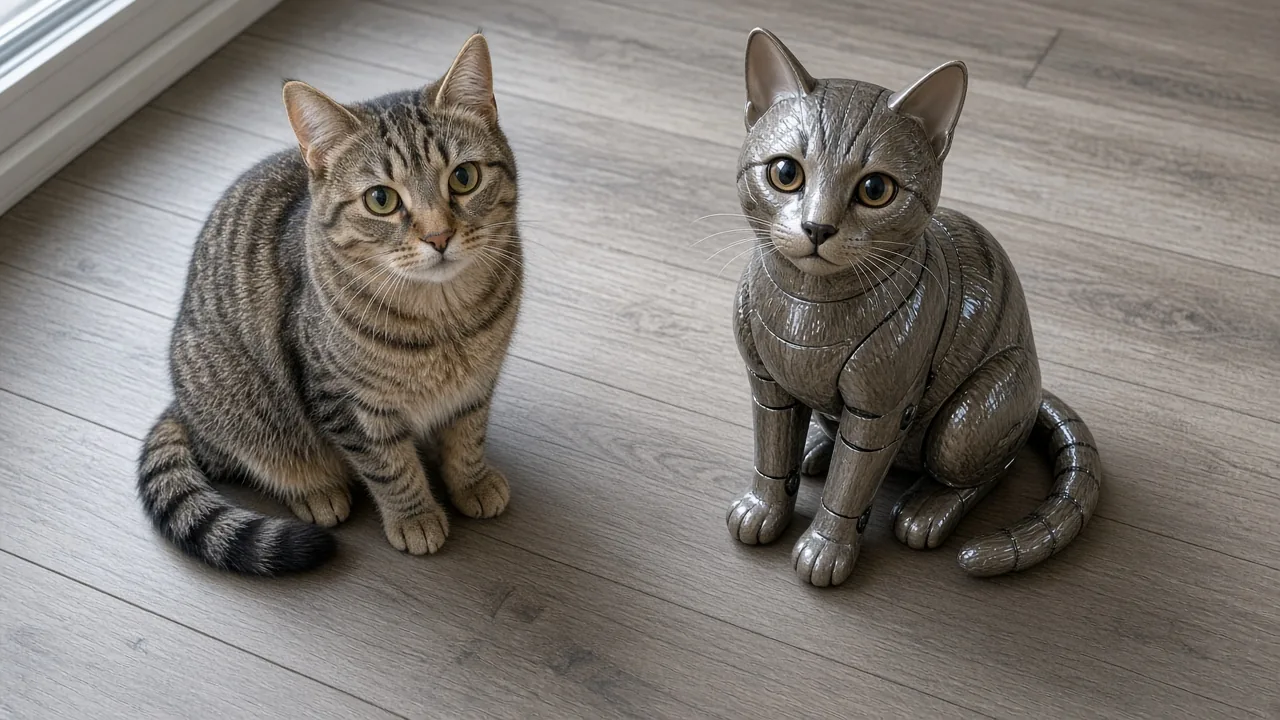
A realistic robotic cat can purr, blink, and respond to touch, but whether it can replace a real cat depends on what companionship means to you. Some models track motion, react to petting, and settle into your lap with a convincing vibration that mimics a purr. Others are closer to an animated plush toy that performs a few set moves. If you’re asking whether robotic cats can replace a real cat, the honest answer is that they can fill specific gaps in companionship and play, but they work differently than a living animal, and knowing those differences helps you set the right expectations before you buy.
What You’ll Learn and What to Have Ready Before Comparing Options
Before you shop, decide what problem you’re trying to solve. Are you looking for a low-maintenance companion for an older relative, a safe play option for a child, or a toy that keeps a real cat entertained when you’re not home? Each goal points to a different type of product, and mixing them up leads to disappointment.
Have these details ready:
- Who will use the toy (child, senior, or a pet)
- Whether you want sensor-based reactions or simple pre-set motions
- Your budget range (entry-level, mid-range, or higher-end)
- Whether batteries are included or need to be purchased separately
Step 1: Decide What You’re Actually Looking For in a Companion
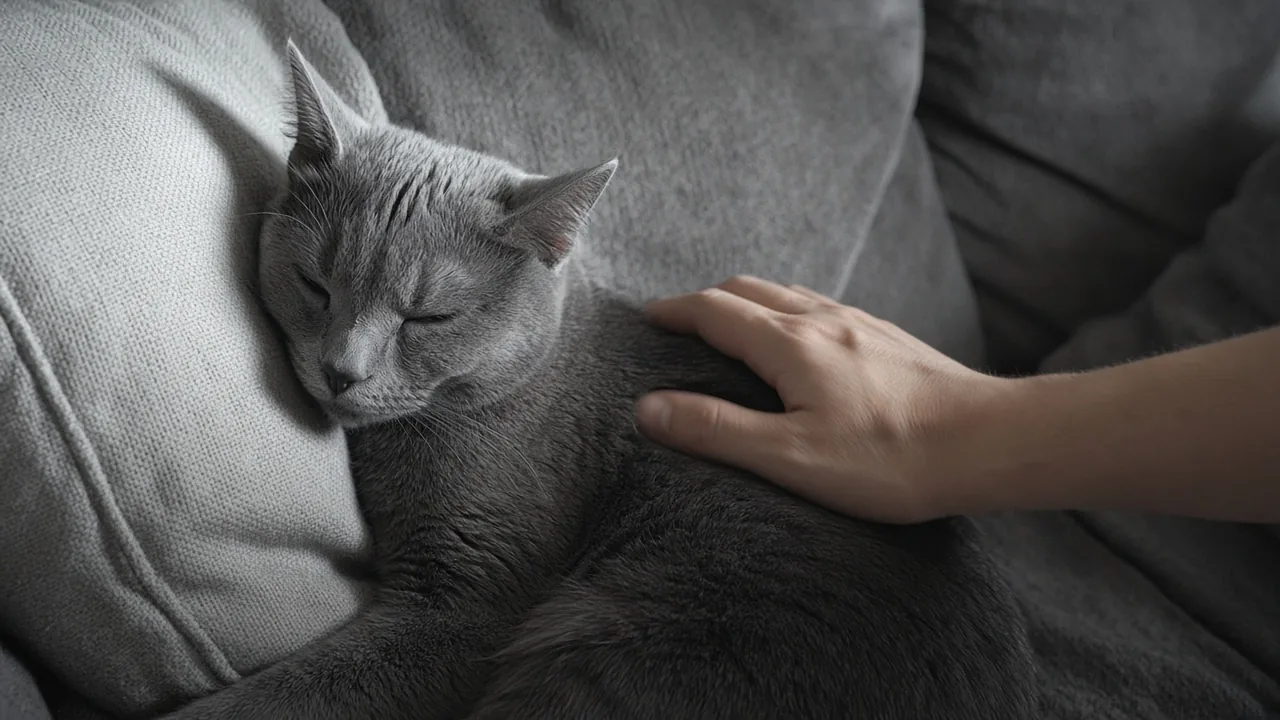
Robotic cats and real cats meet different needs, even when a robotic model looks convincing. A real cat offers unpredictable personality, a sense of being chosen by the animal, and a relationship that changes over time. A robotic cat offers consistency: it reacts the same way to a particular touch or sound every time, which some people find soothing and others find limiting.
If what you want is emotional companionship that feels mutual, a robotic cat is unlikely to replicate that fully. If what you want is a low-commitment interactive presence, or a safe outlet for a child who isn’t ready for pet responsibility, a robotic cat can do that job well. The honest way to frame it is less "which one is better" and more "which problem am I solving right now," since the two options rarely compete for the same role in a household.
Can Robotic Cats Replace a Real Cat? Weighing the Honest Trade-offs
Among reactions to a popular robotic cat review, one of the most agreed-upon comments made a simple point: toys are fine, but no toy beats a real cat. That sentiment captures something worth taking seriously. Even the most sensor-rich robotic cat can’t offer the two-way relationship that comes from a living animal reading your mood or seeking you out on its own terms. Most other comments on the same review were enthusiastic about how lifelike certain models looked, which suggests opinions split less over whether robotic cats are impressive and more over whether "impressive" is the same thing as "a replacement."
That split is worth sitting with before you buy. A robotic cat can’t ask to be fed, can’t greet you at the door because it missed you, and can’t adjust its behavior as it gets to know your routine over months or years. What it can do is offer a predictable, always-available presence that doesn’t require litter boxes, vet visits, or the long-term commitment of caring for a living animal.
So the realistic answer to whether robotic cats can replace a real cat is: not in the sense of recreating a mutual relationship, but yes, in the narrower sense of giving someone a textured, responsive object to interact with when a live cat isn’t an option. Treating it as a supplement to companionship, or a stand-in for people who can’t currently care for a live pet, sets expectations that match what the product can actually deliver.
Step 2: Compare How Realistic and Interactive Robotic Cats Actually Are
Realism varies a lot across robotic cat models, and the difference usually comes down to sensors, motor quality, and how many actions the cat can perform. Some models only move when you press a button or squeeze a paw. Others respond to light, sound, or touch without you doing anything first.
| Model Type | Movement | Sensors | Sounds | Closest To |
|---|---|---|---|---|
| Budget plush (basic) | A few pre-set moves (sit, dance, lie down) | Minimal or none | Pre-recorded cries | Animated plush toy |
| Mid-range plush with touch response | Waving or shaking a toy triggers jumping or leaning | Light or motion sensor | Purring or chirping sounds | Interactive plush with some realism |
| Hard-shell mobile robot | Can roll forward, back, or stop near obstacles | Ear, cheek, and head sensors | Context-based meows and purrs | Closest to live-cat behavior among tested types |
| Companion-focused robotic cat | Opens and closes eyes, lifts a paw, turns head and body | Touch and motion sensors throughout | Vibration-based purring | Designed to simulate a relaxed, present cat |
A model with a sensor-based "mood" feature, for example, reacts differently depending on whether you stroke its head or tap its mouth. A model with vibrating purr technology built into its body can feel closer to resting with a real cat than a toy that only plays a recorded sound. Models with fewer sensors tend to repeat the same two or three behaviors regardless of how you interact with them, which makes them feel more like a toy and less like a companion after repeated use.
It’s worth noting that "more realistic" and "more autonomous" aren’t always the same thing. A hard-shell robot that rolls around a room on its own can feel more lifelike in short bursts, simply because its movement is less predictable, even though its appearance is less convincing than a plush model with soft fur. If what you want is something that looks like a cat while sitting still, prioritize fur quality and vibration-based purring. If you want something that behaves unpredictably across a room, prioritize sensor count and mobility instead, since those two priorities point to different products.
Step 3: Match a Robotic Cat Model to Who It’s Really For
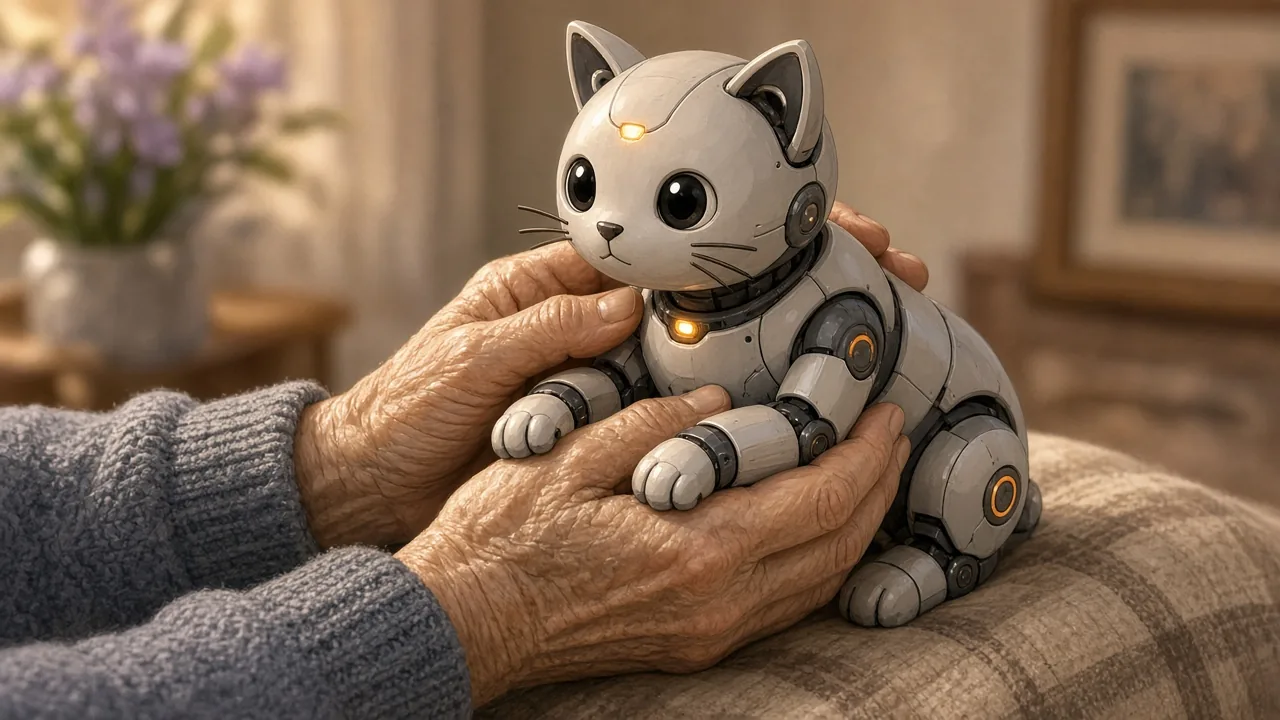
Not every robotic cat suits every household. Matching the model to the person using it prevents wasted money and mismatched expectations.
Budget plush models work well for:
- Children around age 3 and up who want a soft, interactive toy
- Casual play without a need for lifelike response
- Households that don’t want to manage frequent battery changes
Sensor-rich, mobile robotic cats work well for:
- People who want more autonomous movement and varied modes, such as a play mode or a resting mode
- Anyone who finds satisfaction in a toy that reacts differently depending on how it’s touched
- Households without toddlers or pets that might be startled by sudden movement
Companion-focused models with vibrating purr and realistic fur work well for:
- Seniors who want a calming, lap-sized presence
- People seeking a lower-maintenance alternative to live-animal companionship
- Situations where the owner wants something to hold and pet rather than something to actively play with
A hard-shell, fully mobile robotic cat generally isn’t the best fit for seniors who want a calm lap companion, since its movement and occasional unexpected positioning (more on that below) can be more startling than soothing. Similarly, a quiet, cuddle-focused model won’t satisfy a child looking for an active, jumping, dancing toy. Budget and mid-range plush models also differ in subtle but noticeable ways: a mid-range model that reacts to a waved toy by jumping or leaning tends to hold a child’s interest longer than a basic model that only runs through the same two or three scripted motions no matter how it’s handled.
Step 4: Check Safety Before Letting a Pet or Child Handle It
Robotic cats contain small parts, batteries, and mechanical components that need a safety check before first use, the same way you’d check any electronic toy.
- Inspect the battery compartment and confirm it’s secured with a screw or a locking mechanism rather than a simple snap closure.
- Check seams around the ears, paws, and tail for loose stitching that could expose stuffing or internal parts.
- Look for small accessories, such as separate wand attachments used with some models, and store them out of reach of young children when not supervised.
- Supervise the first several uses to see how the toy moves and whether any motion surprises the child or pet in the room.
- Keep the toy away from water, since the electronics and fabric aren’t designed for washing.
If you have a cat or dog in the house, introduce the robotic cat gradually. Some real cats are curious about moving objects and may bat at or bite a robotic cat’s ears or tail, which can damage seams faster than normal handling would. A dog that’s used to chasing or mouthing toys may also treat a robotic cat as fair game, so keep early introductions short and watch for signs that either animal is more agitated than curious.
Step 5: If You Have a Real Cat, Pick Interactive Toys That Satisfy Hunting Instincts Instead
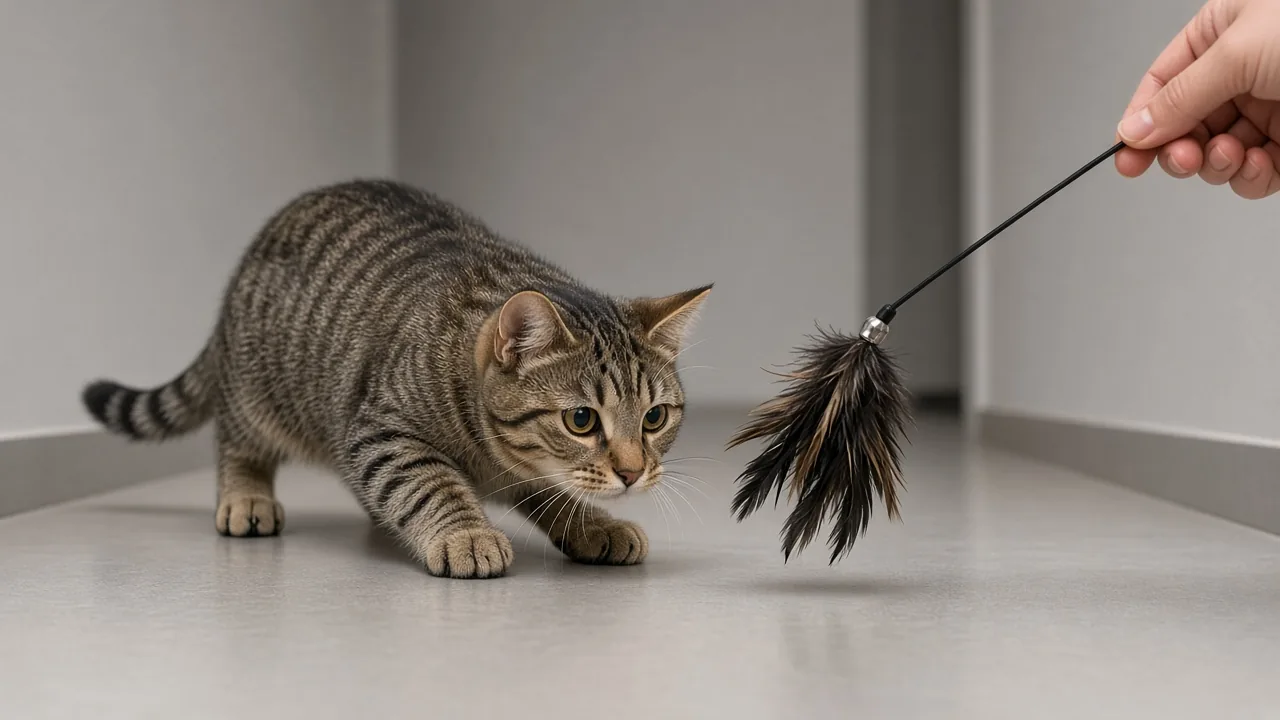
If your goal is actually to entertain a real cat rather than simulate one, a robotic cat isn’t the right tool. Real cats respond to toys that let them stalk, chase, pounce, and "capture," and a wand toy with feather or bird-feather-style attachments tends to hold interest far longer than most novelty toys. One cat owner found that a feather wand kept a cat playing well into the night, with the cat even guarding the feather afterward rather than losing interest. That kind of lingering interest is a reasonable sign that a toy is satisfying a cat’s actual hunting instinct rather than just catching its attention briefly.
Cheap novelty toys, by contrast, often get ignored. A low-quality dangling toy may draw a brief sniff and nothing more, since it doesn’t move in a way that triggers a cat’s prey response. If you’re trying to keep an indoor cat mentally and physically engaged, plan for several short play sessions a day rather than one long one, and rotate two or three toys so the cat doesn’t lose interest in any single one.
Worth choosing:
- Wand toys with feather or fabric attachments that mimic prey movement
- Interactive wands you control directly, which also protect your hands from being scratched or bitten during play
Worth avoiding:
- Laser pointers used as a primary toy, since the cat can chase the light but never physically catch it, which may lead to frustration and, with repeated use, contribute to anxious or withdrawn behavior over time
- Spring-loaded or launching wand toys, which can accidentally snap back toward the cat’s face
- Any wand toy left unattended, since the string portion can wrap around a cat’s neck if no one is supervising play
- Cat tunnels that have been used for a long time without inspection, since the internal wire frame can work its way through the fabric and scratch or cut a cat
How to Clean and Maintain Both Robotic Cats and Interactive Cat Toys
Cleaning routines differ by material, but the goal is the same: remove dirt and bacteria without damaging the mechanism or losing shape.
For robotic cats:
- Wipe the synthetic fur and any plastic shell with a slightly damp cloth; avoid soaking the toy or submerging it in water
- Remove batteries before long-term storage to prevent corrosion inside the compartment
- Brush combable fur gently with a soft brush to keep it from matting
For wand and feather toys:
- Check the string or cord regularly for fraying, since a worn string is more likely to snap or detach mid-play
- Inspect feather attachments for loose quills that could be swallowed
- Wipe down the handle with a damp cloth after use
Set a reminder to check both toy types every couple of weeks if they’re used daily. Toys used only occasionally can be checked monthly instead. A quick habit worth building is checking the toy right after you put it away, rather than right before the next play session, since that’s when fraying or loose parts are easiest to notice without a cat already pulling at them.
When to Replace a Robotic Cat or Interactive Toy
Retire a toy as soon as you notice any of the following, regardless of how new or expensive it was:
- Exposed wiring or a battery compartment that no longer closes securely
- Cracked plastic shells, especially around moving joints
- Loose small parts, including eyes, buttons, or attached accessories that wiggle more than they used to
- Frayed cord sections on wand toys, which can break mid-swing or shed small fibers
- Exposed wire framing on cat tunnels, which can scratch or cut a cat as the tunnel ages
A toy doesn’t need to look obviously broken to be a problem. A tunnel that feels fine to the touch one month can develop a sharp wire edge the next, simply from repeated compression and expansion. Checking by hand, not just by eye, catches more of these issues early.
Troubleshooting Common Questions About Robotic Cats and Real Cat Substitutes
Which Robotic Cat Model Do Owners Tend to Recommend Most?
Preferences vary by what someone is prioritizing. Owners drawn to lifelike appearance often point to models with realistic fur and gentle, cat-like poses. Owners who want more active play tend to favor hard-shell models with multiple movement modes, since those models respond to obstacles and touch in ways that feel less scripted. Owners buying for a senior relative generally lean toward companion-focused models with vibrating purr technology, since the priority there is a calm, huggable presence rather than active play. There isn’t a single model that fits every priority, so matching the choice to the actual use case matters more than picking whichever option gets mentioned most often online.
Are There More Advanced Robotic Cats Beyond Basic Plush Models?
Yes, though the technology varies widely by source and price point. Some robotic cat platforms go beyond simple sensor-based plush toys and offer more autonomous movement, mapping, and interaction, positioning themselves as more advanced companions rather than toys. Claims about how "autonomous" or "realistic" these platforms are should be read with some caution, since marketing language doesn’t always match everyday performance, and independent, consistent testing data isn’t widely available.
Why Do Some Robotic Cats Move in Unexpected or Awkward Ways?
Motorized robotic cats sometimes perform movements that look odd or even unintentional, including leaning, dipping, or repeated motions that weren’t obviously programmed with aesthetics in mind. This is generally a design quirk tied to how the motors and joints are built, not a safety issue. If a movement seems jerky or the toy seems to strain against its own joint, stop using it and check for damage rather than assuming it’s just a quirky animation.
Does Any Robotic Cat Truly Look or Feel Like a Real Cat?
Some models come close in specific moments, particularly when the lighting is soft and the cat is sitting still with its eyes closed. Realistic fur, a convincing vibrating purr, and slow head turns can create a brief illusion of a live cat. But sustained interaction, including walking, jumping, and unpredictable reactions, still reads as mechanical rather than organic once you spend more than a few minutes with it.
Is It Worth Buying Both a Robotic Cat and Interactive Toys for a Real Cat?
If you have a living cat at home, a robotic cat generally isn’t something you buy for the cat’s benefit, since real cats respond to prey-like movement rather than a stationary or scripted companion. Interactive wand toys do that job far more effectively. A robotic cat makes more sense as a separate purchase for a person, such as a child who wants an interactive toy or a relative who wants a companion-style presence, rather than as an addition to a household that already has a live cat to play with.
Watch how your own cat prefers to play, whether it’s stalking a wand toy, chasing a feather across the floor, or batting at something that moves unpredictably, before you decide which toy is worth the investment. Check any robotic or interactive toy for loose parts, frayed string, or worn seams on a regular schedule, and retire it the moment it shows damage rather than waiting for a bigger problem. If you’re weighing other interactive toys for your cat, it’s worth applying the same wear checks you’d use on wand toys or tunnels, and rotating a few options to keep playtime interesting.
This article is for general information only and is not a substitute for advice from your veterinarian. Always supervise your pet with a new toy, and replace any toy that is damaged or small enough to swallow.

Contributor
admin
Continue reading
All stories
CAT TOYS · 11 October
Do Senior Cats Still Play With Toys? A Guide for Fading Senses
CAT TOYS · 11 October
Do Cat Mouse Hunting Videos Actually Work? What the Reactions Mean
CAT TOYS · 11 October
Responses
Moderated discussion