DOG TOYS
How to Clean Smelly Plush Dog Toys Safely at Home
Most smelly plush dog toys need a soak followed by a hand wash or machine wash, depending on stuffing, squeakers, and how deep the grime has set in. This guide walks through safe cleaning, drying, and when to retire a toy instead.
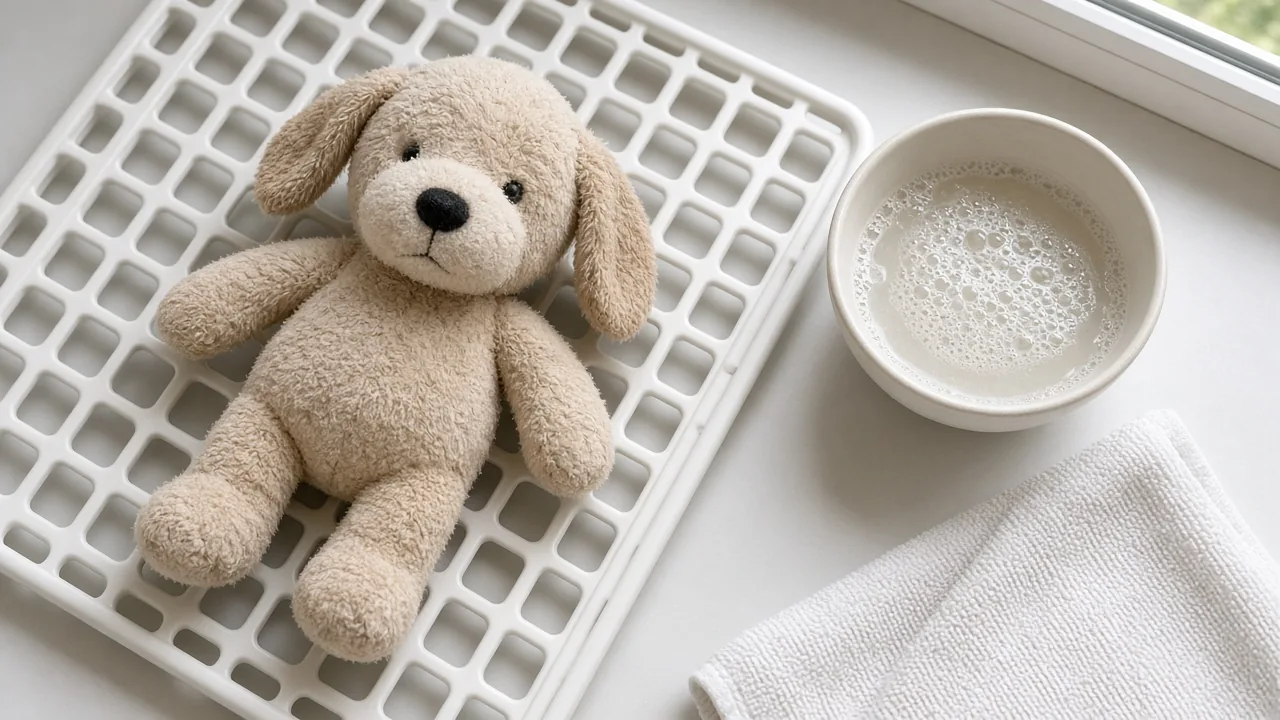
If your dog’s favorite plush toy smells like a mix of saliva, old treats, and something you’d rather not identify, you’re not alone. Most smelly plush dog toys need a soak followed by a hand wash or machine wash, and which method works best depends on the toy’s stuffing, whether it has a squeaker, and how deeply the grime has set in. Get the cleaning method wrong and you risk a toy that still smells, or worse, one that falls apart in the wash.
Why Plush Dog Toys Get Smelly So Fast
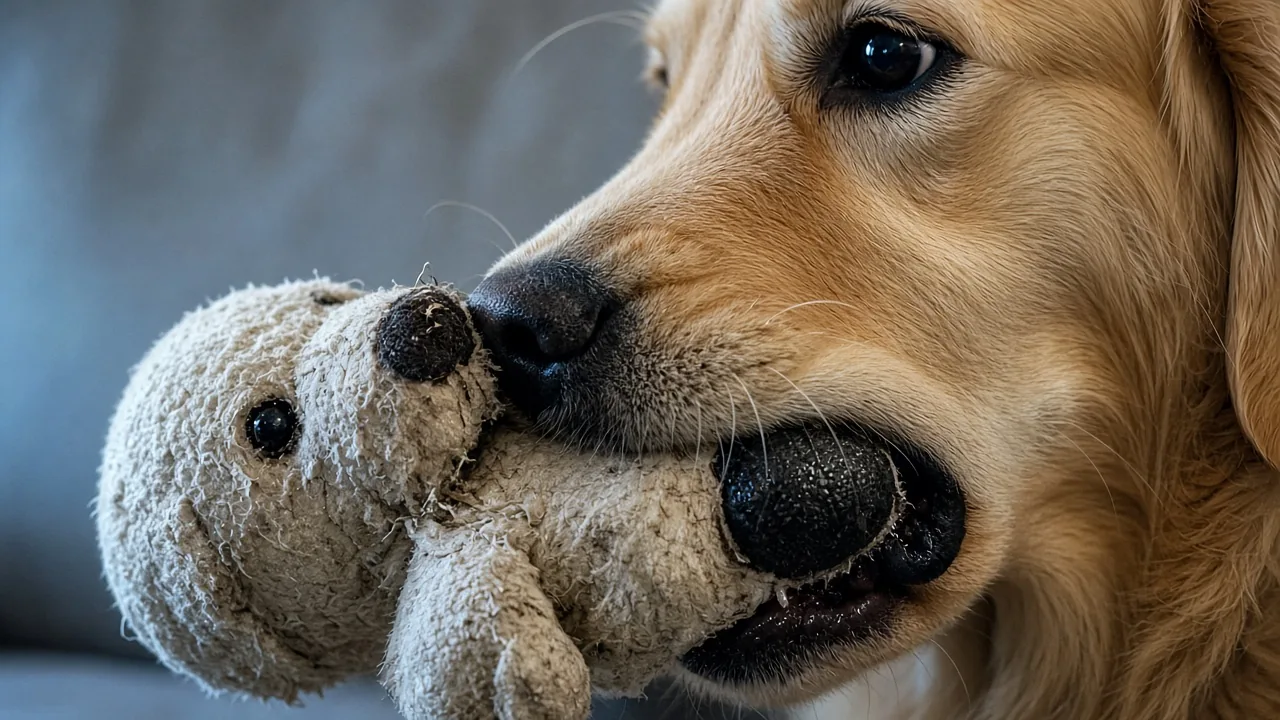
Plush toys absorb saliva every time your dog mouths, carries, or chews them. That moisture seeps into the fabric and stuffing, where bacteria multiply quickly in a warm, damp environment.
Buried treats make the problem worse. If your dog likes to stash a toy under a couch cushion or in a dog bed with a half-chewed treat still stuck to it, that food residue breaks down and adds its own layer of odor.
Storage habits matter too. A plush toy left in a damp corner, a gym bag, or a laundry pile holds onto moisture longer than one that gets some air circulation, which gives bacteria more time to build up.
This is why odor often returns within days of a single wipe-down or quick rinse. Surface cleaning doesn’t reach the bacteria living inside the stuffing, so the smell comes right back once the toy gets damp again from normal play.
Hand Washing vs Machine Washing: How to Clean Smelly Plush Dog Toys
Owners generally split into two camps on this question, and both have reasonable points. Hand washing gives you more control over what touches a toy your dog will put back in their mouth, while machine washing saves time and works well for sturdier toys.
Neither method is universally "correct." The right choice depends on the toy’s construction, how dirty it is, and how much time you want to spend.
| Method | Effort | Odor Removal | Best For | Risk |
|---|---|---|---|---|
| Hand wash | Higher | Strong, with full control over product used | Toys with squeakers, loose seams, or delicate fabric | Takes longer; may miss deep stains if not soaked first |
| Machine wash | Lower | Good, especially with two cycles | Sturdy toys with no loose parts or electronics | Can shred fragile seams or dislodge squeakers |
When Hand Washing Works Better
Many owners choose to hand wash specifically to avoid the lingering odor that a washing machine can leave behind on fabric. If your machine has ever left clothes smelling faintly musty, you’ve probably noticed that smell can transfer to a plush toy too.
Hand washing also lets you control exactly what soaks into a toy. Since your dog will put the toy back in their mouth, knowing precisely which cleaner touched it—and rinsing it out thoroughly yourself—gives more peace of mind than trusting a machine cycle to rinse completely.
This method tends to work best for toys with squeakers, delicate seams, or stuffing that could shift and clump in a machine. It’s slower, but it reduces the risk of damage during the wash itself.
When Machine Washing Is the Easier Choice
Some owners find that running a sturdy plush toy through two machine-wash cycles gets it fully clean with far less physical effort than scrubbing by hand. This approach suits toys without squeakers, loose stuffing, or fragile seams—basically, toys built to hold up under more aggressive handling.
If you have several plush toys to clean at once, machine washing is also simply more practical. One load of toys takes less time than hand-washing each one individually.
The tradeoff is that a single cycle doesn’t always remove heavy odor completely, which is why a second cycle often makes a noticeable difference. If a toy is already borderline fragile, though, two cycles may do more damage than good.
Step-by-Step: Soaking and Deep Cleaning a Smelly Plush Toy
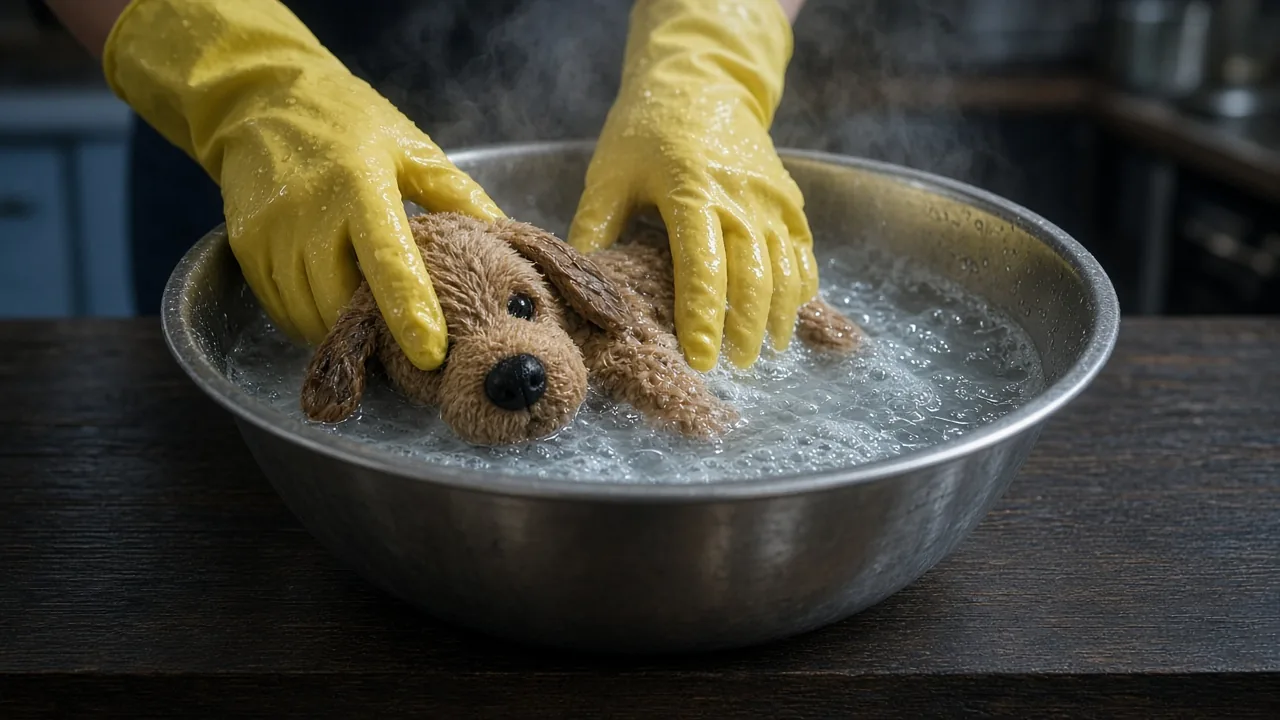
For a toy with heavy odor, stiff fabric, or visible grime, a soak-first approach works better than tossing it straight into a wash. This routine takes more time upfront but tends to get toys genuinely clean rather than just refreshed on the surface.
- Check the toy first. Look for torn seams, exposed stuffing, or a squeaker that’s come loose. If you find any of these, skip washing and retire the toy instead—soaking and agitation can make existing damage worse.
- Soak in hot water. Submerge the toy in hot water for several hours, or overnight if the odor is strong. Some owners soak toys for half a day before moving to the next step.
- Add a mild cleaning agent. A small amount of dish soap mixed into the hot water helps break down oils and grime. Some owners prefer a combination of oxygen-based cleaning powder (sold as a laundry stain remover) with a small amount of washing soda, which some have found cuts through odor efficiently while using less water than a full soak-and-rinse cycle.
- Hand wash or tread the toy. After soaking, work the cleaner through the fabric by hand, or press and knead the toy with your foot inside a basin if it’s too large or awkward to scrub by hand.
- Rinse thoroughly. Run the toy under clean water until no soap residue remains. Leftover cleaner can irritate your dog’s mouth or skin, so don’t rush this step.
- Dry completely before returning the toy. Dampness left inside the stuffing invites bacteria right back, undoing the entire cleaning process.
If the odor is mild rather than heavy, you can skip the overnight soak and go straight to a shorter wash cycle, whether by hand or machine.
What to Use (and Avoid) When Cleaning Plush Toys
Not every cleaning product belongs anywhere near a toy your dog chews and mouths regularly. Here’s how common options compare.
| Product | Effectiveness | Safety Notes |
|---|---|---|
| Dish soap | Good for everyday grime and oils | Generally mild; rinse thoroughly |
| Oxygen-based cleaning powder (stain remover) + washing soda | Strong against odor and set-in stains | Rinse very thoroughly; avoid leaving residue |
| Scented laundry detergent | Can mask odor temporarily | Best avoided—fragrance chemicals can linger in fabric your dog will mouth |
| Plain hot water soak | Mild but helps loosen grime before washing | Safe as a first step for any toy |
The biggest thing to avoid is scented detergent. Dogs have a much more sensitive sense of smell than humans, and strong fragrances that seem pleasant to you can be overwhelming—or simply unpleasant—to your dog. More importantly, fragrance additives and other chemicals in heavily scented products aren’t meant to be mouthed repeatedly, so a toy that still carries detergent residue poses an unnecessary risk every time your dog picks it up.
If you’re ever unsure whether a product is safe to use on something your dog will chew, stick with plain dish soap and hot water. It’s less exciting, but it’s predictable and easy to rinse out completely.
How to Dry Plush Toys the Right Way
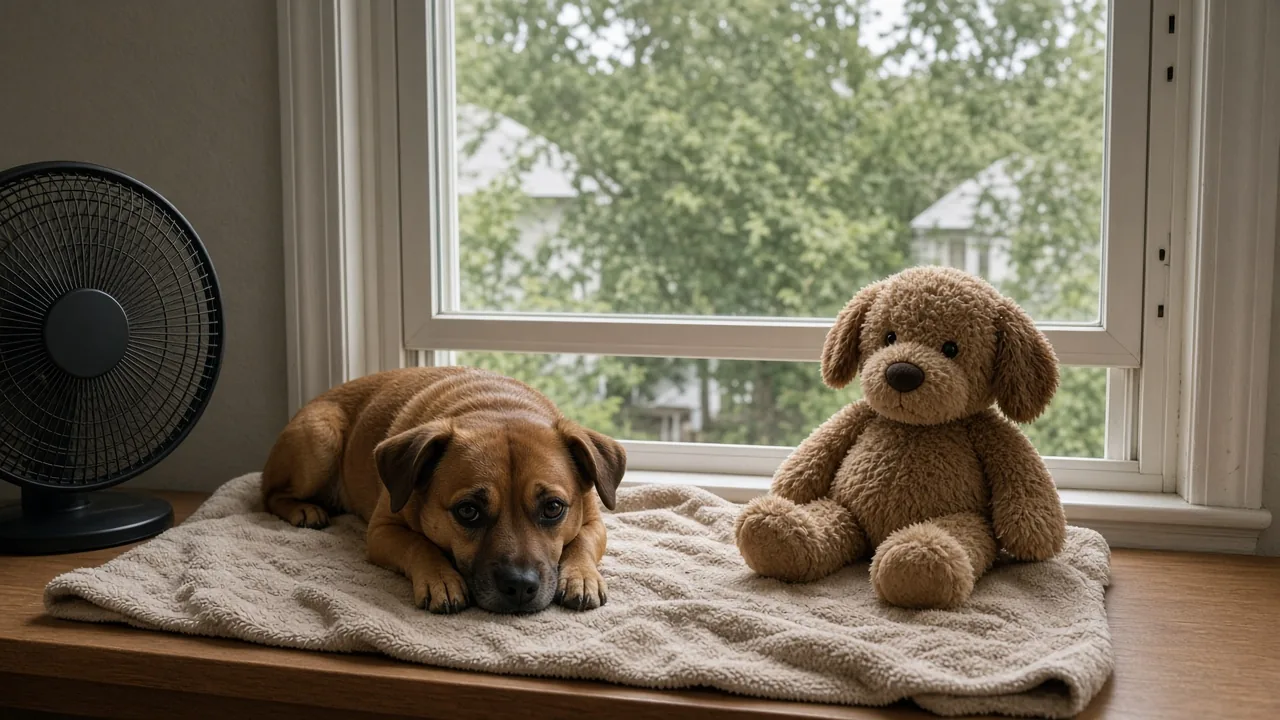
Washing a plush toy is only half the job. If it goes back into play while still damp, you’ve mostly reset the odor clock rather than solved the problem.
Air drying thoroughly matters because any trapped moisture inside the stuffing gives bacteria exactly the environment they need to multiply again. A toy that feels dry on the surface can still be damp at its core, especially if it has thick or dense stuffing.
To dry a plush toy properly:
- Squeeze out excess water gently rather than wringing, which can stress seams.
- Lay the toy flat in a well-ventilated area, ideally with some airflow or a fan nearby.
- Flip the toy periodically so all sides get equal air exposure.
- Check the center of the toy, not just the surface, before considering it fully dry.
- Avoid high heat from a dryer unless you’re certain the toy’s materials and any internal squeaker can handle it, since heat can warp plastic components or melt certain fabrics.
Depending on size and stuffing density, full drying can take anywhere from several hours to a full day. Rushing this step is one of the most common reasons odor comes back within a day or two of washing.
Are Squeaky or Heavily Stuffed Toys Safe to Wash?
Squeaker toys and heavily stuffed toys carry extra risk, both during washing and during normal play. The squeaker mechanism itself is a small part that can come loose, and loose stuffing can shift, clump, or escape through a damaged seam during a wash cycle.
There’s also a durability issue separate from washing. Fast-wearing plush toys, including some common squeaky duck-style toys, can get shredded within just a few days of regular chewing, releasing stuffing and small internal parts as they break down. If your dog is an enthusiastic chewer, this kind of toy may need replacing far more often than you’d expect, regardless of how carefully you wash it.
Before washing any squeaker toy, check that the squeaker is still fully embedded and that no stitching has come loose around it. If the toy already shows wear, soaking and washing can accelerate the damage rather than just clean it—in that case, it’s safer to retire the toy instead of running it through another wash cycle.
For dogs that chew aggressively enough to destroy toys quickly, keeping a close eye on toy condition after every play session matters more than finding the perfect cleaning method.
How Often to Replace a Worn or Damaged Plush Toy
No cleaning method restores a toy that’s structurally compromised. Watch for these signs that it’s time to retire a plush toy rather than wash it again:
- Torn seams or holes that expose stuffing, even small ones, since they tend to widen quickly with continued chewing.
- Exposed stuffing your dog could pull out and swallow.
- A loose or exposed squeaker, which is a choking hazard if it comes free.
- Thin, worn fabric that’s lost its original thickness and could tear mid-play.
- Persistent odor after a proper wash, which can mean bacteria have worked their way too deep into aging stuffing to fully clean out.
For heavy chewers, this checklist might apply within days of buying a new toy rather than weeks or months. If you notice a pattern where plush toys consistently fall apart fast for your dog, that’s useful information for your next purchase, not a sign you’re doing something wrong.
Choosing Plush Toys That Are Easier to Keep Clean and Odor-Free
Matching toy durability to your dog’s chew strength saves you both money and laundry time. A toy that survives multiple wash cycles is worth more than one you have to replace weekly, even if the sturdier option costs more upfront.
For dogs that destroy plush toys quickly—something owners of large, strong-jawed breeds like Golden Retrievers often report—a different strategy can make more sense than constant washing. Buying lower-cost, similar plush toys in bulk and simply discarding them once chewed through can be more practical than repeatedly deep-cleaning a toy that’s going to fall apart within days anyway.
On the other hand, if your dog is a gentler chewer or mostly carries and cuddles plush toys rather than shredding them, investing in a higher-quality, more durable plush toy makes sense. These toys tend to hold up better across repeated wash cycles, which means less frequent replacement and more consistent odor control over time.
Some owners find washing plush toys often enough that they’ve set up a dedicated routine for it—one owner mentioned using a separate washing machine specifically for her dog’s toys. That’s a bigger commitment than most households need, but it illustrates how much laundry a toy-loving dog can generate if plush toys are a regular part of playtime.
When choosing a new plush toy, consider:
- Chew strength. Match toy thickness and seam quality to how hard your dog typically chews.
- Size. The toy should be large enough that your dog can’t fit the whole thing in their mouth, reducing choking risk.
- Washability. Toys without squeakers or with reinforced seams generally tolerate more wash cycles.
- Replacement cost. If budget matters more than longevity, cheaper replaceable toys may suit your situation better than a single expensive one.
A Note on Novelty and Scented Dog Toys
It’s worth keeping in mind what actually grabs a dog’s attention when picking out plush toys. Dogs tend to respond far more strongly to scent than to visual novelty. One telling example: dogs often show intense interest in treats with strong, even unpleasant-to-humans smells—like certain organ-based treats—while reacting with fear or avoidance to toys that just look unusual, such as dolls or costume-style items shaped like a person.
This matters for cleaning because it means a toy’s scent, not its appearance, is often what keeps your dog interested. A plush toy that still smells faintly like your dog’s own scent or like a treat residue may hold more appeal than a toy that comes out of the wash completely scent-free. That’s one more reason to avoid heavily scented detergents—not just for safety, but because an artificial fragrance can actually make a toy less appealing to your dog, not more.
If you’re choosing between a novelty-shaped toy and a more traditional plush shape, keep in mind that the traditional option is also usually easier to wash and dry thoroughly, since it won’t have unusual folds, costume pieces, or add-on parts that trap moisture.
Frequently Asked Questions About Cleaning Smelly Dog Toys
How often should I wash my dog’s plush toys?
This depends on how often your dog plays with the toy and how quickly odor builds up. A toy your dog carries daily may need washing every one to two weeks, while an occasional-use toy can go longer between washes. If you notice odor returning quickly after cleaning, washing more frequently—or switching to a more durable toy—may help.
Is it safe to use regular laundry detergent on dog toys?
Mild, unscented dish soap is generally a safer choice than regular laundry detergent, especially scented varieties. If you do use laundry detergent, rinse the toy extremely thoroughly to remove all residue before letting your dog play with it again.
Should I set up a separate washing routine just for dog toys?
For most households, washing toys along with other items is fine as long as you rinse the machine or basin afterward. A fully separate routine, like a dedicated machine, only makes sense if you have multiple dogs generating a high volume of toys to clean regularly.
Can I put plush dog toys in the dryer?
This depends on the toy’s materials and whether it has a squeaker or plastic parts that could warp under heat. Air drying is the safer default unless you’re confident the specific toy can handle machine heat.
Why does the smell come back so quickly after washing?
Usually this means the toy didn’t dry completely before your dog started playing with it again, or the stuffing wasn’t rinsed thoroughly during washing. Double-check that the toy is dry all the way through, not just on the surface, before handing it back over.
Pay attention to how your dog actually plays—a dog that loves to chew needs sturdier toys and a more frequent wash routine than one who mostly carries a plush toy around gently. Check your dog’s toys regularly for torn seams, loose squeakers, or exposed stuffing, and retire anything showing real wear before it becomes a hazard rather than a comfort item.
This article is for general information only and is not a substitute for advice from your veterinarian. Always supervise your pet with a new toy, and replace any toy that is damaged or small enough to swallow.

Contributor
admin
Continue reading
All stories
DOG TOYS · 11 October
Best Long Lasting Dog Chew Toys Ranked by Safety and Durability
DOG TOYS · 11 October
Is a Plastic Bottle Safe as a DIY Dog Toy? What to Check First
DOG TOYS · 11 October
Responses
Moderated discussion