DOG TOYS
Is a Plastic Bottle Safe as a DIY Dog Toy? What to Check First
A plastic bottle can work as a free, temporary dog toy, but only with close supervision since strong chewers can crack it into sharp, swallowable pieces. Learn how to judge your dog's chew strength, make the toy safer, and know when to retire it.
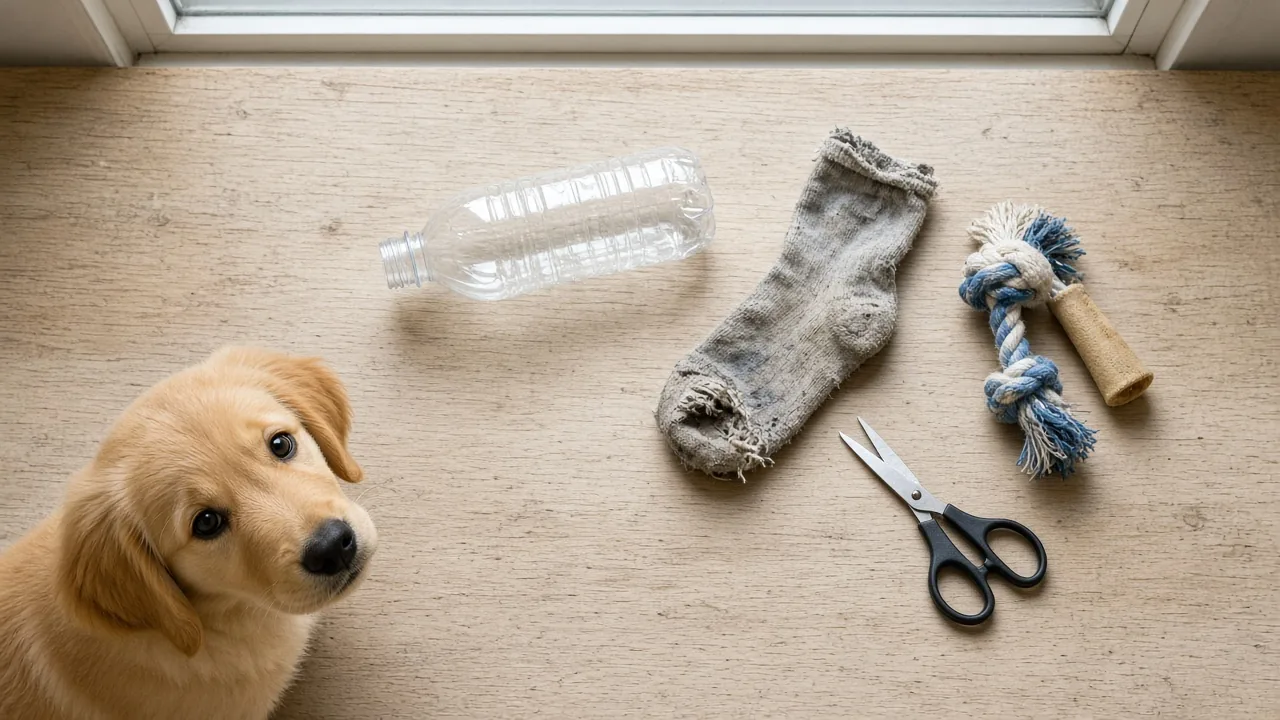
If your dog chews, you’ve probably stood in the kitchen holding an empty water bottle and wondered: is a plastic bottle safe as a DIY dog toy, or is it just a hazard waiting to happen? The short answer: a plastic bottle can work as a free, temporary dog toy, but only with supervision, because strong chewers can crack it into sharp pieces that may be swallowed or that can cut the inside of a dog’s mouth. Whether this DIY dog toy is actually safe for your dog depends less on the bottle itself and more on how your dog chews.
Why Pet Owners Try Plastic Bottle Dog Toys in the First Place
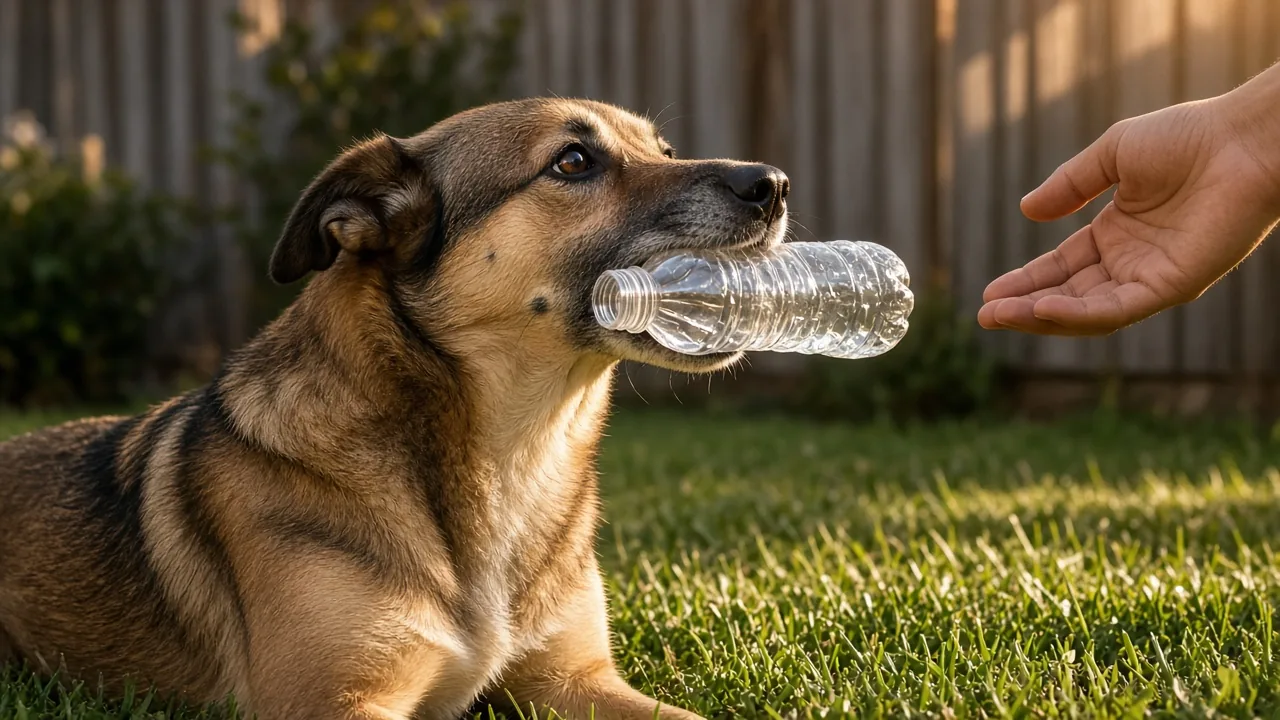
Plastic bottles show up as makeshift dog toys mostly because they’re free and already in the house. You don’t have to drive anywhere or wait for a delivery—you just rinse one out and hand it over.
This fits into a wider pattern of pet owners swapping store-bought products for household substitutes to cut costs. One owner who tracks these swaps has suggested using disposable gloves from takeout orders instead of buying poop bags, or a car-detailing cloth instead of a dedicated dog towel. A plastic bottle slots into that same budget-alternative mindset: it costs nothing, and for a dog that just wants something to crunch, it does the job.
The appeal is obvious. The catch is that "free" and "safe" aren’t the same thing, and the bottle’s safety record depends heavily on which dog is chewing it.
Is Plastic Bottle Safe Dog Toy DIY: The Real Risks to Know
The honest answer to whether a plastic bottle is safe as a DIY dog toy is: sometimes, and not for every dog. Two specific hazards come up again and again, and they’re worth understanding before you toss one into the yard.
The first is shard ingestion. A dog that chews hard and often can crack the bottle into small, sharp fragments. Those pieces can get swallowed, and depending on size and shape, they may cause internal injury or need veterinary attention to pass safely.
The second is mouth injury from the bottle itself. As plastic gets crushed and deformed under repeated chewing, it can develop edges sharp enough to cut the inside of a dog’s cheek or tongue, especially at odd angles created by dents and cracks. Neither risk means a bottle will hurt every dog that touches it—but both risks are documented enough that you shouldn’t treat this as a toy you can leave unattended.
Which Dogs Are Most Likely to Get Hurt by a Bottle Toy
Not every dog interacts with a bottle the same way, and that’s the real deciding factor here.
Strong, destructive chewers—the dogs that can demolish a cardboard box in minutes or work through sturdier chew toys faster than expected—are the group most likely to crack a bottle quickly and end up with sharp shards in their mouth. These dogs turn a slow, gradual breakdown into a fast one, which shrinks the window you have to notice damage before it becomes a problem.
Gentle chewers, including many small dogs and dogs that mostly carry or mouth objects rather than crush them, may go through several play sessions with a bottle showing only light dents. That doesn’t make the toy risk-free for them, but it does mean the odds of a dangerous crack happening quickly are lower. Puppies in their teething stage are a special case worth watching closely: the urge to chew is often stronger during tooth loss, and a bottle that would survive a few sessions with an adult dog may crack faster under a puppy’s determined gnawing. Older dogs with worn or sensitive teeth are a different concern—hard plastic edges can be rough on teeth that are already compromised, so a softer rubber chew may be the better call for a senior dog regardless of chew style. If you’re not sure which category your dog falls into, watch the first few sessions closely rather than assuming.
A Safer Way to DIY It: The Sock-Covered Bottle Method
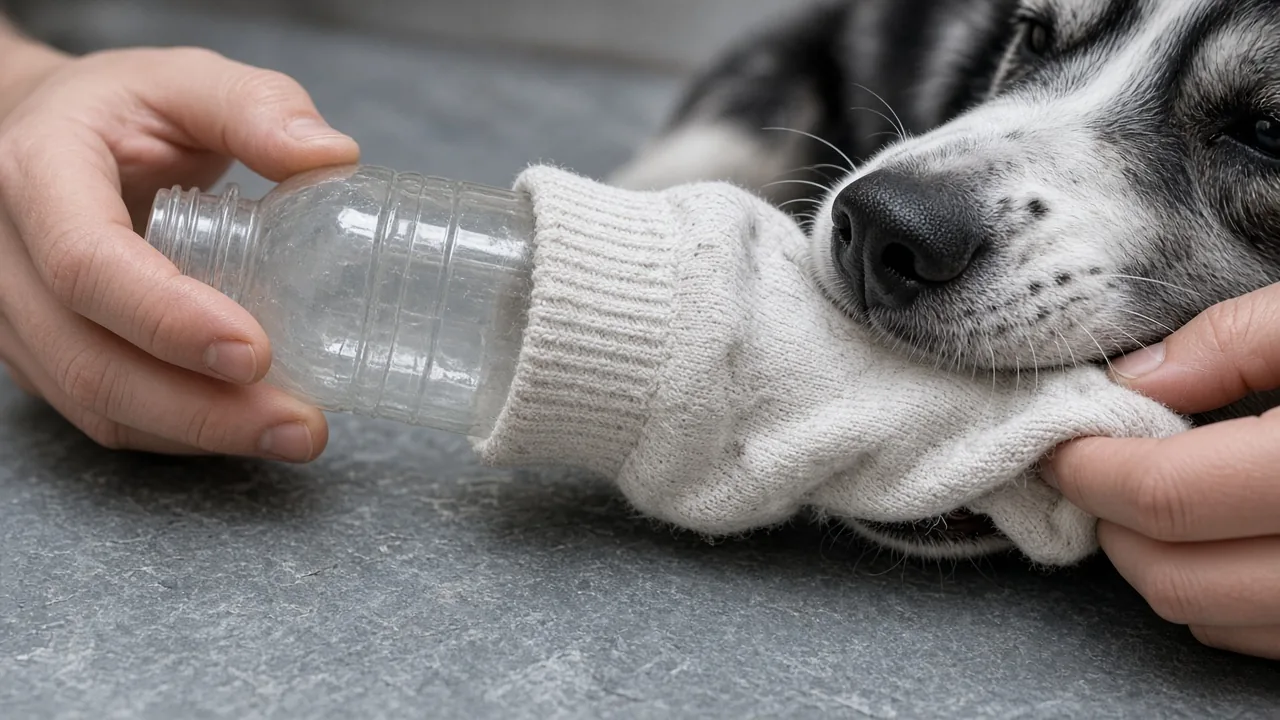
If you want to try the bottle approach without accepting the full risk, one modification worth knowing about: slide the empty bottle into an old sock before handing it over.
The sock does two things. It muffles the crunch sound the bottle makes, which some dogs find just as rewarding as the chewing itself, and it adds a layer of fabric between your dog’s mouth and any cracked plastic edges that develop underneath. This fix came from a dog owner who shared it as a workaround after noting how often plain bottles get destroyed quickly.
It’s a real improvement, not a complete fix. A sock can reduce direct contact with sharp plastic, but it won’t stop a determined chewer from eventually working through the fabric and reaching the bottle anyway. Think of it as buying extra supervision time, not eliminating the need to supervise at all.
How Plastic Bottle Toys Compare to a Commercial Interactive Toy
To see where the DIY bottle really sits on the value-versus-safety scale, it helps to compare it against the opposite end: a feature-built interactive toy designed from the ground up for dog play, such as Squeakee the Balloon Dog from Moose Toys.
| Plastic Bottle (DIY) | Squeakee (Commercial Interactive Toy) | |
|---|---|---|
| Cost | Free | Mid-range to higher-end |
| Chew durability | Low; cracks under repeated chewing | Not built for aggressive chewing; designed for interactive play, not destruction |
| Supervision needed | Full supervision every session | Full supervision on first use, as with any new toy |
| Play pattern | Simple chew/carry object | Structured tricks, sounds, touch response |
| Cleaning | Rinse and dry | Check manufacturer guidance; electronic components limit washing |
| Best fit | Light chewers, occasional free toy | Households wanting guided, low-destruction interactive play |
The contrast here isn’t really about which toy is "better." It’s about what you’re paying for. The bottle costs nothing and offers a crunch toy with real risk if your dog chews hard. A toy like Squeakee costs more and is engineered specifically to avoid the kind of rough, destructive use that makes bottles dangerous in the first place—though it comes with its own trade-offs, which we’ll get into next.
What a Toy Like Squeakee Offers That a Bottle Can’t
Squeakee is built around more than 60 interactive sounds and movements, responding to a dog owner’s voice and to physical touch across several sensor points on its body. Quick pinches trigger specific behaviors: one pinch cues a sit, two pinches cue a "beg" position, and three pinches shifts it into an excited, ready-to-play mode.
It also comes with accessories that extend the play pattern further. A pump accessory lets you "feed" Squeakee while it’s standing or sitting, producing a drinking sound, and a pin accessory can be pressed into a designated spot to make the toy deflate. Reinflating it means reinserting the pump into its mouth. Touch sensors elsewhere on its body—its ears, for example—trigger different responses, so stroking it produces a different reaction than pinching it.
None of that is something a repurposed bottle can replicate, and that’s the honest trade-off: you’re paying for engineered play variety and built-in supervision-friendly design, not just durability. One evaluation rated the toy 4 out of 5, noting it’s fairly heavy and can thump loudly against hard flooring as it moves—a minor but real downside worth knowing before you buy.
When the Pricier Option Still Isn’t the Right Fit
Spending more doesn’t guarantee a toy fits your household, even one with strong engineering behind it.
Squeakee’s deflate-and-collapse action—triggered by the pin accessory—has unsettled some owners on an emotional level rather than a safety one. Reactions to the toy going limp and falling over have ranged from finding it charming to finding it uncomfortably close to real pet loss, particularly for owners who’ve been through end-of-life experiences with their own dogs. That’s a reminder that a toy’s "best" feature for one household can be the exact feature that makes another household want to return it.
It’s also worth noting that this toy’s price has reportedly climbed over time from around $20 to roughly $60, which is a meaningful jump for what’s essentially a children’s interactive toy marketed with a recommended age of 5 and up. Interest hasn’t been limited to young kids, either—plenty of older owners have been drawn to it too, which says something about its broad appeal, but it doesn’t change the math if you’re weighing cost against a free plastic bottle.
How to Decide If a DIY Plastic Bottle Toy Fits Your Dog
There’s no single right answer here, and even people who write about budget pet products openly disagree on whether a cheap DIY toy like this is ever worth recommending. Some treat it as a reasonable free option with precautions; others think the shard and mouth-injury risks make it not worth suggesting at all. Where you land probably depends on your specific dog.
A simple framework: weigh chew strength, size, and how closely you can supervise, then decide if the free option clears your personal safety bar. If any one of those three doesn’t check out, skip the bottle and look at a sturdier alternative instead.
Checking Chew Strength and Supervision Habits Before You Decide
Start with an honest read on your dog’s chewing style. A dog that gently mouths things and loses interest quickly is a very different case than a dog that methodically destroys anything soft within minutes.
Then be realistic about supervision. If you’re consistently in the room while your dog plays—not just nearby, but actually watching—you’ll catch cracks and shard formation before they become a swallowing risk. If your dog tends to get a toy and then wander off to a corner unsupervised, that’s the exact scenario where a strong chewer with a cracking bottle faces the highest risk of ending up with plastic fragments in their mouth or stomach. When in doubt, supervision wins over convenience.
Safety Checks to Run Before Each Play Session
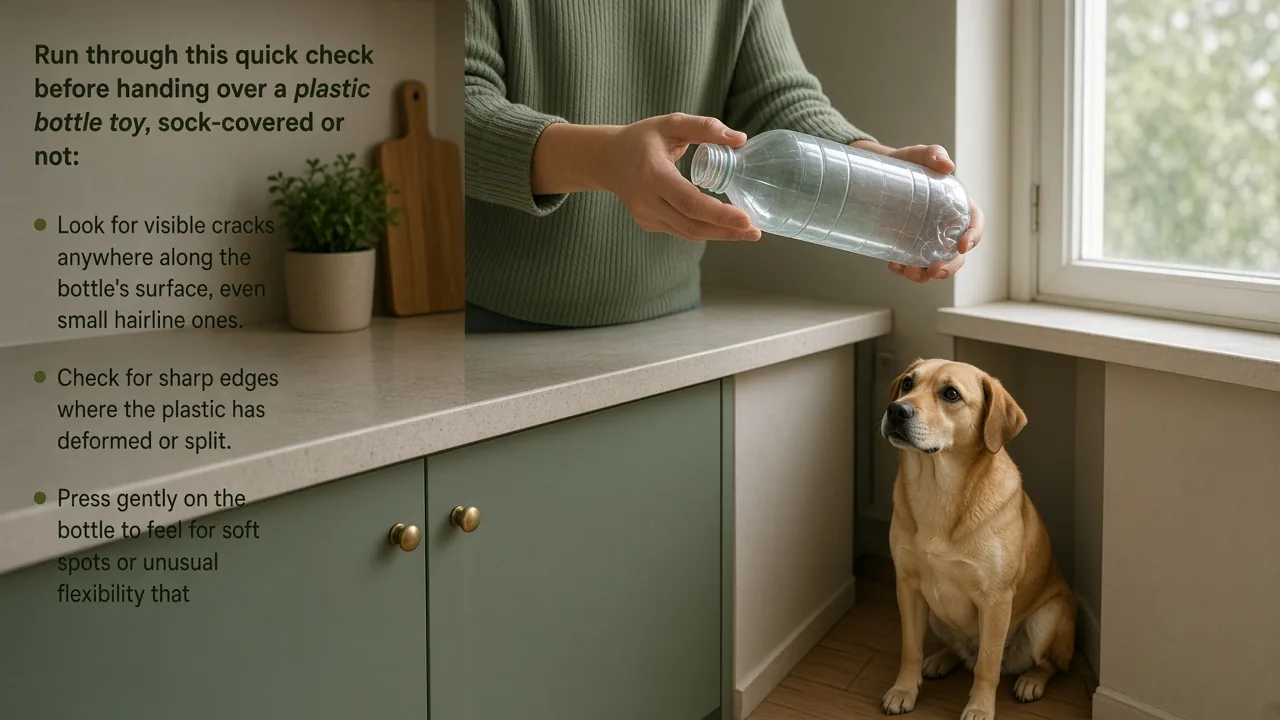
Run through this quick check before handing over a plastic bottle toy, sock-covered or not:
- Look for visible cracks anywhere along the bottle’s surface, even small hairline ones.
- Check for sharp edges where the plastic has deformed or split.
- Press gently on the bottle to feel for soft spots or unusual flexibility that suggests structural weakening.
- If it’s sock-covered, check the sock itself for holes that might expose plastic underneath.
- If any of the above shows up, retire the bottle immediately rather than giving it "one more round."
This only takes a few seconds, but it’s the single most effective habit for keeping a free toy from turning into an emergency vet visit.
How to Clean a Plastic Bottle Dog Toy Between Play Sessions
A bottle toy picks up saliva, dirt from the yard, and whatever your dog has been chewing elsewhere, so a quick clean between sessions is worth building into the routine, especially if more than one pet shares the toy.
Rinse the bottle inside and out with warm water, and use a drop of dish soap if it’s gotten greasy or dirty from outdoor play. Skip hot water on bottles that already show stress cracks, since heat can soften plastic further and speed up the exact damage you’re trying to catch early. Let it air dry fully before the next session—a damp bottle can trap moisture inside, which may lead to odor or mold if it sits capped or crushed for a while. If you’re using the sock-covered version, wash the sock on its own as you would any other fabric chew cover, and check for thinning fabric each time you put it back on.
None of this makes the bottle sturdier. Cleaning is about hygiene, not structural safety—so the crack checks above still matter every single time, clean toy or not.
When to Retire a Plastic Bottle Toy and What to Use Instead
Certain signs mean it’s time to take the bottle away for good, not just monitor it more closely: visible cracks, crushed sections with jagged plastic exposed, or any piece that’s broken off entirely. At that point, the toy has done its job and it’s time to throw it out.
If you notice your dog going through bottles quickly—cracking one within a single play session, for example—that’s useful information. It tells you your dog is a strong chewer who may do better with a toy built to handle that kind of pressure rather than a disposable household item. You don’t need to jump straight to the priciest option on the shelf; plenty of affordable, sturdier chew toys sit between "free bottle" and "high-end interactive toy" in both cost and durability. The goal is matching toy strength to chewing strength, not spending the most money possible.
Frequently Asked Questions About DIY Plastic Bottle Dog Toys
Are pet products generally overpriced compared to similar household items?
There’s a reasonable argument that some pet-labeled products carry a markup simply for being marketed toward pets—shoppers have pointed out that items can cost several times more once "pet" gets added to the label, even when a household version does a similar job. That’s part of why budget swaps like the bottle toy appeal to owners in the first place, though it’s worth weighing that savings against the actual safety and durability trade-offs for each specific item.
Is a sock-covered bottle actually safer, or does it just look safer?
It’s a genuine improvement, not a cosmetic one—the fabric layer reduces direct contact with any cracked plastic edges and muffles the crunch sound many dogs enjoy. But it doesn’t change the underlying plastic’s tendency to crack under strong chewing, so you still need to check it regularly and retire it at the first sign of damage.
Can small dogs and puppies use plastic bottle toys the same way large dogs do?
Size matters here. A small dog or puppy chewing a bottle sized for a much larger dog may struggle to get a grip, while a large-breed dog with strong jaws can crack a bottle faster than a toy-breed dog ever would. Match the bottle’s size loosely to your dog’s mouth and chew strength, and supervise puppies especially closely since teething dogs often chew harder and more persistently than adults.
Does the bottle need to be a specific type of plastic to be used this way?
The material itself isn’t the deciding factor—any disposable plastic bottle carries the same basic cracking risk under repeated chewing. What matters more is your dog’s individual chew strength and how often you’re checking the bottle for damage.
Watching how your dog naturally plays—chewing, chasing, carrying, digging—will tell you more than any single toy recommendation. A bottle might suit a light chewer who likes crunching sounds and loses interest before much damage builds up, while a dedicated chew toy makes more sense for a dog that goes through anything plastic in record time. Whichever direction you go, check the toy for cracks, loose fragments, or sharp edges before every session, and swap it out the moment it starts looking worn rather than waiting for it to fail completely.
This article is for general information only and is not a substitute for advice from your veterinarian. Always supervise your pet with a new toy, and replace any toy that is damaged or small enough to swallow.

Contributor
admin
Continue reading
All stories
DOG TOYS · 11 October
How to Freeze Stuff a Kong for Dogs: A Step-by-Step Guide
DOG TOYS · 11 October
How to Choose Puzzle Feeders for Dogs by Difficulty Level
DOG TOYS · 11 October
Responses
Moderated discussion