DOG TOYS
Why Do Dogs Lose Interest in Rubber Toys So Fast?
Dogs often abandon rubber toys within days while clinging to a favorite plush toy for years. Here's why that happens and how to pick toys that actually match your dog's play style.
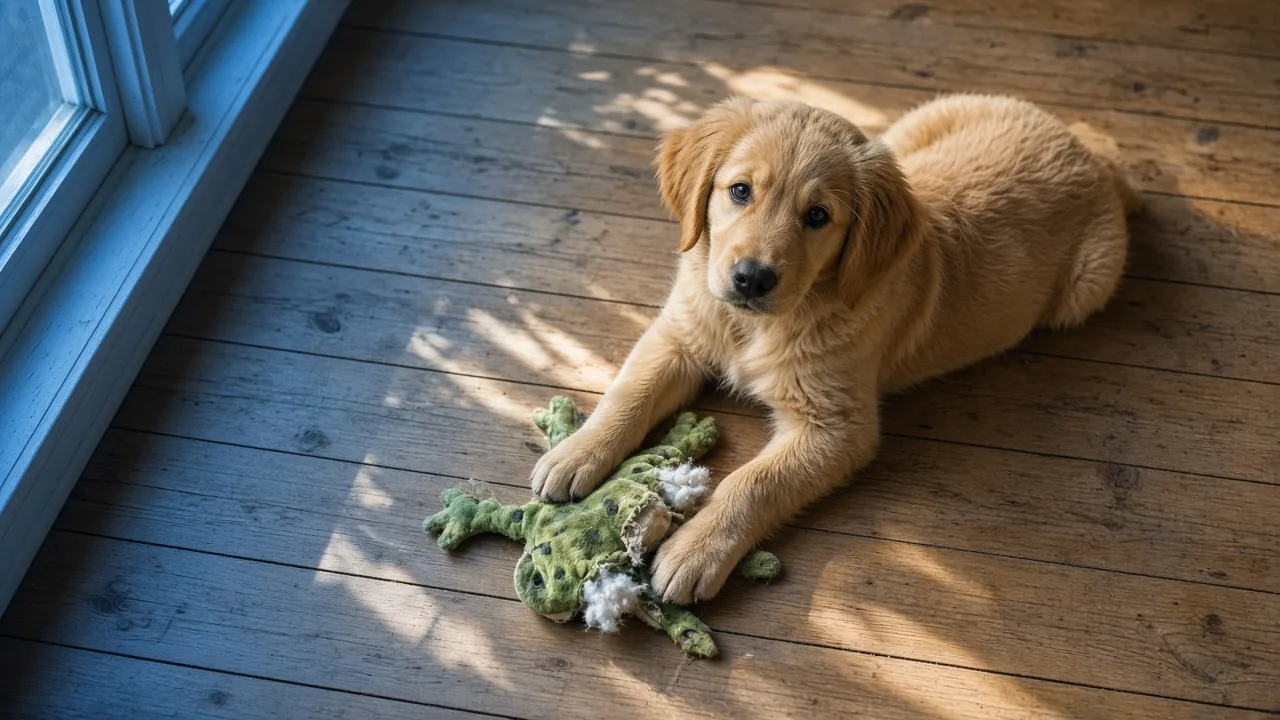
If you’ve ever watched your dog sniff a new rubber ball, chase it a few times, then leave it abandoned in a corner while dragging out the same ragged plush toy for the hundredth time, you’re not imagining things. Dogs tend to lose interest in rubber toys quickly because those toys deliver short bursts of excitement tied to fetch or chewing, while plush toys satisfy something closer to comfort and attachment. That difference in what each toy offers explains why one ends up forgotten and the other gets carried from room to room for years, patched and re-patched long after it stops looking like a toy at all.
Why Do Dogs Lose Interest in Rubber Toys but Not Plush Ones?
A rubber ball or bone-shaped chew gives your dog a quick hit of novelty. The bounce, the squeak, the chase, the resistance when they bite down. Once a dog has worked out what the toy does, there’s not much left to discover, so the toy starts feeling repetitive after just a handful of sessions. The toy itself hasn’t changed; it’s the dog’s curiosity about it that runs out.
Plush toys work differently. Their soft texture mimics something a dog can grip, shake, and carry around the way they might treat a small prey animal or a den companion. That ongoing physical comfort, combined with a squeaker that still works even after months of chewing, gives a plush toy staying power that a hard rubber object usually can’t match. The plush toy also tends to absorb your dog’s scent over time, which may be part of why it starts to feel more like a personal object than a plaything.
What Makes Plush Toys So Emotionally Sticky for Dogs
One dog owner described her dog’s favorite toy as a small plush frog that had been chewed through and sewn back together more times than she could count. Even after the stitching gave out again and again, the dog kept returning to that same frog over toys that were newer, bigger, or louder. The frog eventually reached a point where it wasn’t safe to keep in play rotation, yet the owner couldn’t bring herself to throw it away.
That kind of attachment isn’t unusual. A soft toy’s give-and-take texture lets a dog nuzzle, carry, and "mother" it in a way a firm rubber ball doesn’t allow. Over time the toy can pick up your dog’s scent and become part of a bedtime or settling-down routine, which is why some dogs refuse to give up a plush toy even once it’s falling apart at the seams.
Eventually, a loved plush toy may get patched so many times that it’s no longer safe to keep in rotation. That doesn’t mean it has to go straight in the trash. Many owners retire a toy like this to a shelf or storage box rather than throwing away something tied to years of memories, even after it’s no longer appropriate for active play. A toy with exposed stuffing or a loose squeaker is a choking hazard waiting to happen, so once it crosses that line, it belongs out of reach rather than back on the floor, however much your dog protests.
Why Rubber Balls and Bones Feel Novel at First, Then Boring
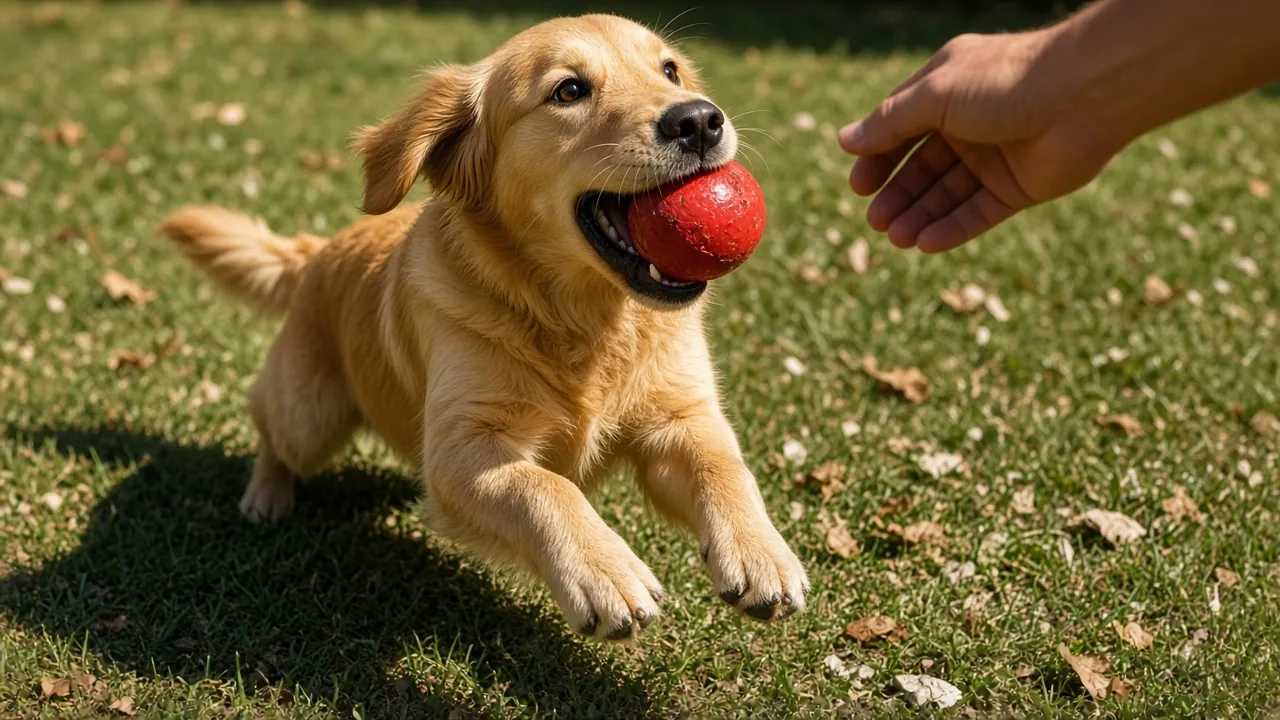
Rubber balls, bone-shaped chews, and small rubber rings tend to follow a predictable pattern: strong interest for the first few sessions, then a steady drop-off. Dogs figure out the bounce pattern of a ball or the resistance of a chew fairly quickly, and once the novelty wears off, the toy alone doesn’t hold much appeal.
That doesn’t make rubber toys a poor choice. They tend to work best as tools for interactive play rather than solo entertainment. A ball thrown across the yard or a ring used for tug-of-war becomes exciting again the moment you’re involved, because the engagement comes from the activity with you, not the object itself. A useful way to judge whether a rubber toy is worth keeping around is to notice whether your dog only picks it up when you’re nearby. If so, it’s doing its job as a bonding tool rather than failing as a toy.
This also explains why rubber balls often appeal more to newer dogs than to ones who already have an established favorite. An older dog who has bonded with a particular plush toy may treat a new rubber ball with polite indifference, while a young or recently adopted dog is often more receptive to ball games as a way to build trust with a new owner. Some owners find that a plain rubber ball without a bonded history behind it simply can’t compete with a toy that’s already tied to months or years of comfort.
Comparing Rubber, Nylon-Blend, and Plush Dog Toys by Key Traits
Each toy type is built around a different job: short bursts of interactive play, long sessions of hard chewing, or quiet comfort. Looking at durability, bite feedback, and cleaning needs side by side makes it easier to match the right toy to the right dog.
Rubber vs Plush vs Nylon-Blend: A Comparison Table
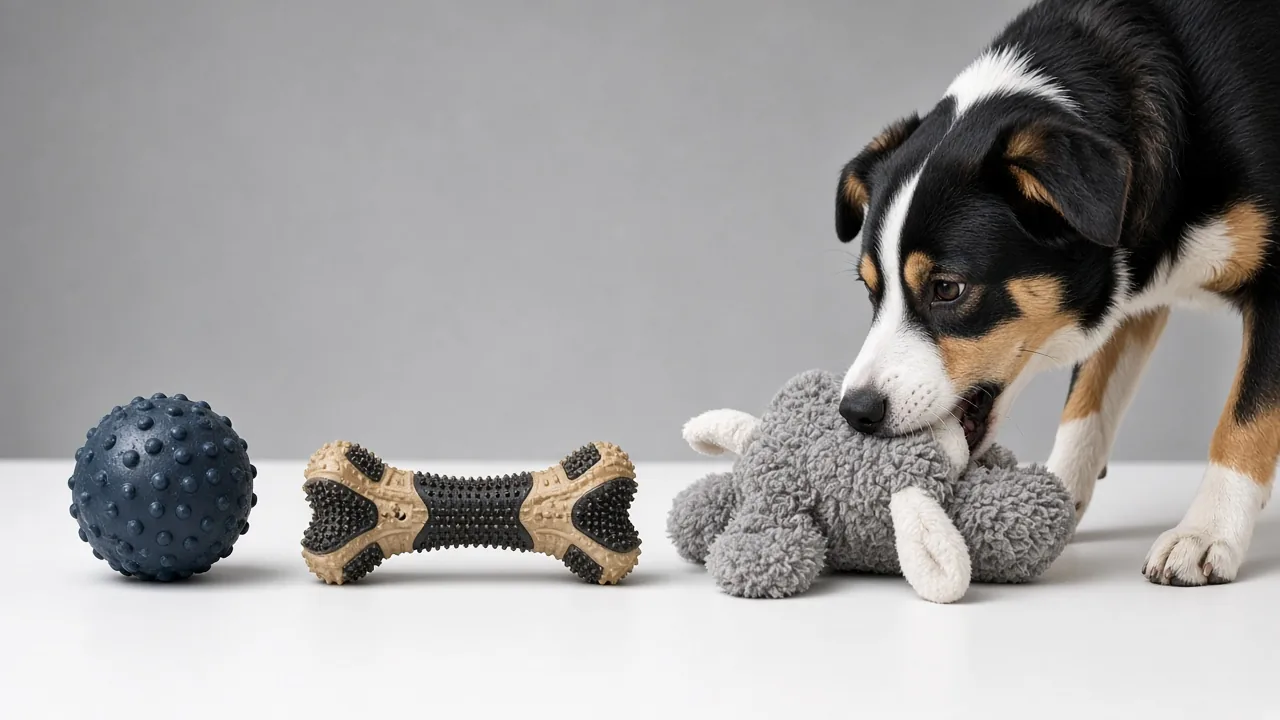
| Trait | Rubber (balls, bones, rings) | Nylon-rubber blend (chew toys) | Plush |
|---|---|---|---|
| Durability against chewing | Moderate; can show tooth marks and wear fairly fast with heavy chewers | High; firmer ends resist punctures, softer middle flexes without tearing as easily | Low to moderate; fabric and stitching give way over time, especially with repeated chewing |
| Bite feedback | Firm, bouncy resistance | Mixed: soft to flex, firm at the ends for gnawing | Soft and yielding, satisfies gentle mouthing more than hard chewing |
| Squeaker present | Sometimes | Sometimes, often placed deep inside to resist quick removal | Commonly, though it may wear out before the fabric does |
| Best cleaning method | Rinse with water or wipe down; many tolerate the dishwasher’s top rack | Wipe down or rinse; check manufacturer guidance since blended materials vary | Spot clean or machine wash on a gentle cycle, then air dry fully before returning it |
| Best play style | Fetch, interactive games, tug | Solo chewing, boredom relief, tough gnawing sessions | Carrying, cuddling, gentle shake-and-chew, comfort object |
The pattern here is fairly clear. Rubber toys shine during active play with you. Nylon-rubber blends hold up best for dogs who need something to gnaw on for long stretches. Plush toys cover the comfort and bonding side of play that the other two materials don’t really address. None of these categories is better across the board; the right choice depends on what you’re trying to solve, whether that’s burning energy, keeping a heavy chewer occupied, or giving an anxious dog something familiar to settle with.
How to Choose the Right Toy Based on Your Dog’s Play Style
Before buying another toy that ends up ignored after a week, it helps to watch what your dog actually does during play. Some dogs chew methodically, some chase anything that moves, some want a tug partner, and some just want something soft to carry around the house. Watching for ten or fifteen minutes of unstructured play is often enough to spot the pattern.
Size, age, and chew strength matter just as much as play style. A toy should be large enough that your dog can’t fit the whole thing in their mouth, since anything small enough to swallow becomes a choking risk regardless of material. Puppies in the teething stage often do better with softer textures that won’t hurt sore gums, and some owners find that chilling a rubber teething toy briefly in the refrigerator can make it more soothing, though it should never go in the freezer solid enough to injure the gums. Adult dogs with strong jaws may need firmer options that hold up to repeated pressure, while senior dogs sometimes shift toward gentler chewing as their teeth and gums become more sensitive, and may prefer the same comfort-driven toys that appealed to them earlier in life.
Best Toys for New Dogs vs Dogs Who Already Have a Favorite
If you’ve recently brought home a new dog, ball games and tug rings can do double duty: they burn energy and build trust through shared play. A dog who doesn’t know you well yet often responds better to an activity you’re both doing together than to a toy left alone on the floor. This stage is also a reasonable time to introduce a toy with a hidden squeaker, since the novelty of the sound can help keep a new dog engaged while you’re both still learning each other’s routines.
Dogs who already have an established favorite, especially one that’s plush, usually show little interest in switching. One owner noticed her nearly six-year-old dog had grown fairly indifferent to ball games altogether, reaching instead for the same soft toy she’d had for years. If your dog already shows a strong preference like this, there’s rarely a reason to push a different toy type on them. It’s more useful to keep a couple of plush options in rotation and save rubber toys for games you play together.
Which Toys Suit Aggressive Chewers and Larger Breeds
Dogs with a strong chew drive, often medium to large breeds, tend to go through soft toys and standard rubber balls quickly. Nylon-rubber blend toys with a firmer construction and textured, raised surfaces give these dogs more to work on and typically last longer under heavy chewing. The mix of textures also gives a dog several different spots to focus on, which can keep the toy interesting for longer than a smooth rubber surface would.
These toys aren’t a fit for every dog, though. A chew toy built for a large-breed dog can be oversized or too hard on the teeth of a small-breed dog, so check the product’s size and breed guidance before buying. Very hard materials can also crack a tooth in dogs who chew aggressively, so a toy that flexes slightly rather than one that’s rock-solid all the way through is often the safer bet for heavy chewers. If you’re dealing with a dog who chews aggressively enough to damage most toys within days, it’s also worth asking a veterinarian or certified trainer whether the chewing is driven by normal activity, boredom, or an underlying behavior concern like separation anxiety.
Safety Checks and Cleaning Tips for Rubber and Plush Dog Toys
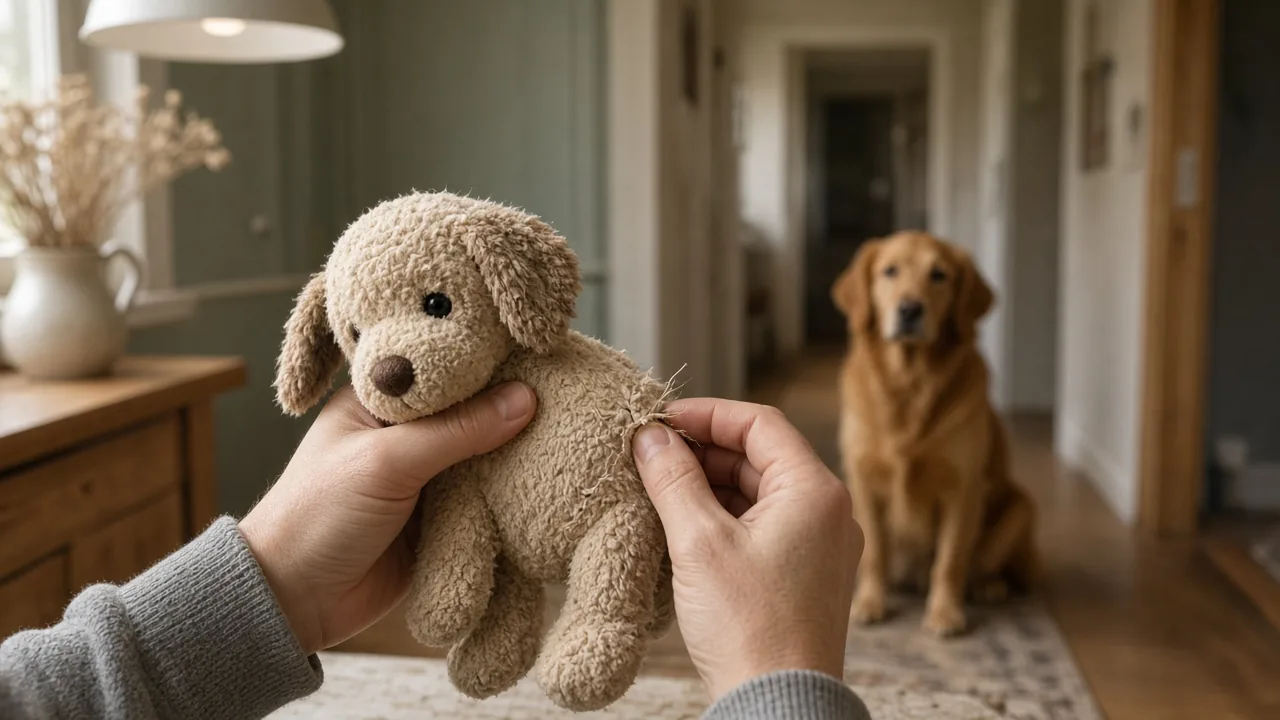
No toy material is risk-free, so routine checks matter regardless of whether your dog prefers rubber or plush. Always supervise a new toy during the first few sessions so you can see how your dog interacts with it and step in if something starts to break apart.
A few signs mean it’s time to pull a toy from rotation:
- Sharp edges or jagged ridges on hard rubber or nylon-blend surfaces
- Torn seams or exposed stuffing on plush toys
- A squeaker that’s come loose or is visible through a hole
- Loose threads, ribbons, or trim that your dog could swallow as a long, string-like piece
- Any piece small enough for your dog to swallow
That last point is worth taking seriously even when a toy still looks mostly intact. A toy doesn’t need to be completely falling apart to be dangerous; a single piece coming loose, like a plastic eye on a plush animal or a chunk of rubber bitten off a ball, is enough to cause a choking emergency.
Cleaning routines differ by material. Rubber toys can usually be rinsed or wiped down after outdoor play, and many hold up fine on the top rack of a dishwasher. Plush toys generally do better with a gentle machine wash, followed by a full air dry before giving the toy back, since trapped moisture inside stuffing can lead to odor or mildew.
How to Smooth Rough Edges on Hard Rubber or Nylon Toys
Hard chew sections on nylon-rubber blend toys can wear unevenly over time, sometimes leaving sharp ridges where your dog has gnawed repeatedly. If you notice this happening:
- Check the toy under good light for any pointed or jagged spots.
- Use fine-grit sandpaper to smooth down the rough area until it feels even.
- Rinse the toy thoroughly to remove any residue before giving it back.
- Recheck the toy after a few more chewing sessions, since the edge can roughen again.
This simple step can reduce the chance of your dog scraping their gums or cheek on a worn edge, though it’s still worth replacing the toy entirely once the material shows heavy cracking or structural damage.
When to Repair, Retire, or Pass Along a Worn Plush Toy
A heavily loved plush toy doesn’t have to be thrown out the moment it tears. You generally have three options, and which one makes sense depends on how far gone the toy is.
If the damage is minor, like a small seam coming apart, sewing it back together can keep the toy in safe rotation for a while longer. Once a toy has been mended repeatedly and the fabric itself is thinning or the stuffing keeps working its way out, it’s safer to retire it from active play, even if your dog still clearly wants it. At that point, some owners store the toy somewhere safe rather than discarding it outright, since it can carry real sentimental value. If the toy is still structurally sound but your dog has simply moved on, passing it along to another dog in need is another reasonable option.
What If You Also Have Cats or Small Pets at Home?
If your household includes a cat along with your dog, it helps to know that the same rubber-versus-plush pattern doesn’t really apply to cats in the same way. Cats are driven more by hunting instinct than by comfort-seeking, so their toys work best when they trigger stalking, chasing, pouncing, and a clear "capture" at the end. Short, frequent play sessions a few times a day tend to hold a cat’s interest far better than leaving any single toy out all the time, and rotating a handful of toys in and out of storage can keep even an indoor cat engaged over the long run.
For rabbits, guinea pigs, hamsters, chinchillas, and birds, the priorities shift again. These pets benefit most from toys made of natural, non-toxic materials they can safely gnaw on to help keep their teeth worn down, sized appropriately for their cage or enclosure. Loose threads, small plastic parts, or anything that could break into a sharp fragment pose a real risk for animals this size, so simpler, untreated materials are usually the safer choice over anything with decorative trim or small attached pieces.
FAQ: Common Questions About Rubber and Plush Dog Toys
Do squeaky toys help with boredom and separation anxiety?
A toy with a durable build and a squeaker that’s hard to remove can give a dog something to work on during alone time, which may help ease boredom for some dogs. It’s not a guaranteed fix for separation anxiety, though, and dogs showing ongoing distress when left alone often benefit more from guidance from a veterinarian or certified trainer alongside any toy-based approach.
Why does my dog ignore balls entirely?
Some dogs simply aren’t motivated by chase-and-retrieve play, especially if they’ve already bonded with a comfort-style toy or prefer interacting with a moving person over a moving object. A dog who shows no interest in balls isn’t unusual, and it often just means their play style leans toward tugging, carrying, or cuddling instead.
Is it normal for a dog to destroy a rubber toy faster than a plush one?
It depends on the dog and the specific toy. Standard rubber balls or bones can wear down with aggressive chewing, while blended nylon-rubber toys are built to hold up longer. Plush toys, despite feeling delicate, sometimes survive longer simply because a dog treats them more gently, carrying and nuzzling them rather than biting down hard.
Can I give my dog a new plush toy to replace a worn one?
You can try, but don’t be surprised if your dog notices the difference and keeps reaching for the original. Some dogs form a strong attachment to the scent and shape of a specific toy and treat a replacement as a completely separate object rather than a substitute.
How often should I replace my dog’s toys overall?
There’s no fixed schedule that works for every dog, since wear depends heavily on how hard and how often your dog chews. A better approach is to check every toy in rotation every couple of weeks for loose seams, cracked rubber, or exposed stuffing, and replace anything showing those signs right away rather than waiting for a set date.
Before your next trip to pick out a toy, spend a little time watching how your dog actually plays, whether that’s chewing, fetching, tugging, or just wanting something soft to curl up with. Match the toy to that habit, check it regularly for sharp edges, loose seams, or exposed parts, and swap it out once it’s no longer holding up safely. The same wear checks and rotation habits apply whether you’re working with rubber, nylon blends, or plush, so it’s worth building that routine into how you manage toys for any dog in your home.
This article is for general information only and is not a substitute for advice from your veterinarian. Always supervise your pet with a new toy, and replace any toy that is damaged or small enough to swallow.

Contributor
admin
Continue reading
All stories
DOG TOYS · 11 October
Is a DIY Sock Water Bottle Dog Toy Safe or a Choking Risk?
DOG TOYS · 11 October
How to Use Nina Ottosson Puzzle Toys: A Level-by-Level Guide

DOG TOYS · 11 October
Responses
Moderated discussion