SMALL PETS & BIRDS
Best Hamster Toys for Burrowing and Chewing: What Actually Works
Find out which hamster toys actually get used, from tunnels and chew sticks to climbing structures and digging boxes, based on what satisfies natural burrowing and chewing instincts.
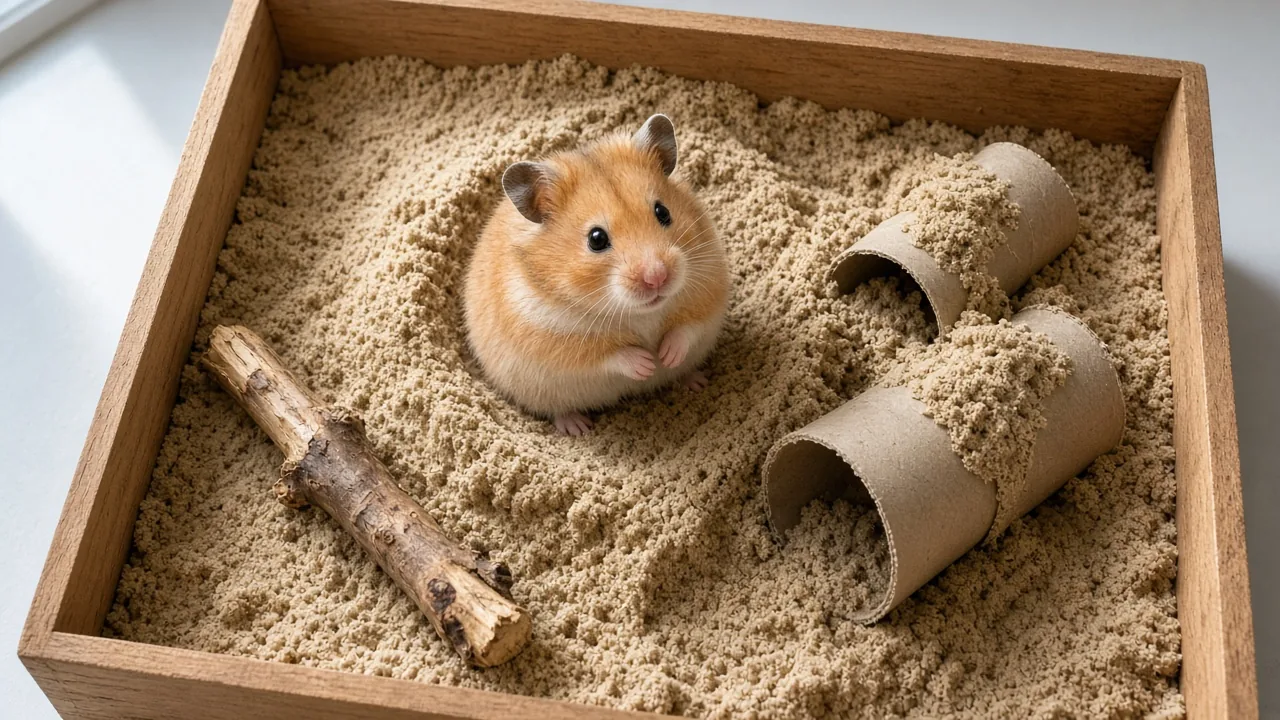
If you want to know what actually keeps a hamster busy, the answer is simple: the best hamster toys for burrowing and chewing combine tunnels, chew sticks, and a dedicated digging box. Hamsters are natural burrowers, and without outlets for tunneling, climbing, gnawing, and digging, they tend to get restless or redirect that energy toward chewing on cage bars. Matching toys to these instincts, rather than picking whatever looks cute at the pet store, makes the biggest difference in how much a hamster actually uses what you buy.
How to Choose the Best Hamster Toys for Burrowing and Chewing by Instinct
Hamsters are burrowing animals by nature. In the wild, they dig extensive tunnel systems, so the drive to tunnel, climb, gnaw, and dig doesn’t disappear just because a hamster lives in a cage. Toys that work with these instincts, instead of against them, tend to get used daily rather than ignored in a corner.
This is why the most useful hamster toys fall into a handful of categories tied to specific behaviors. Picking one of each, rather than several toys that do the same job, usually gives a hamster more enrichment per square inch of cage space.
Why Tunnels, Climbing Toys, Chew Sticks, and Digging Boxes Cover the Main Instincts
Each of these four toy types maps to a distinct natural behavior, not an interchangeable extra:
- Tunnels and tubes satisfy the drive to burrow and move through enclosed spaces.
- Climbing structures give hamsters a way to explore vertically, which they do in the wild along burrow walls and natural terrain.
- Chew sticks support the near-constant need to gnaw, since a hamster’s teeth grow continuously.
- Digging boxes let hamsters dig, bury themselves, and release pent-up energy the way they would in loose soil outdoors.
Buying four toys that all serve the same purpose, like three different chew blocks and no tunnel, leaves other instincts unaddressed. A more balanced setup covers all four behaviors, even if that means fewer total items in the cage.
Tunnel and Tube Toys: DIY vs Store-Bought Options
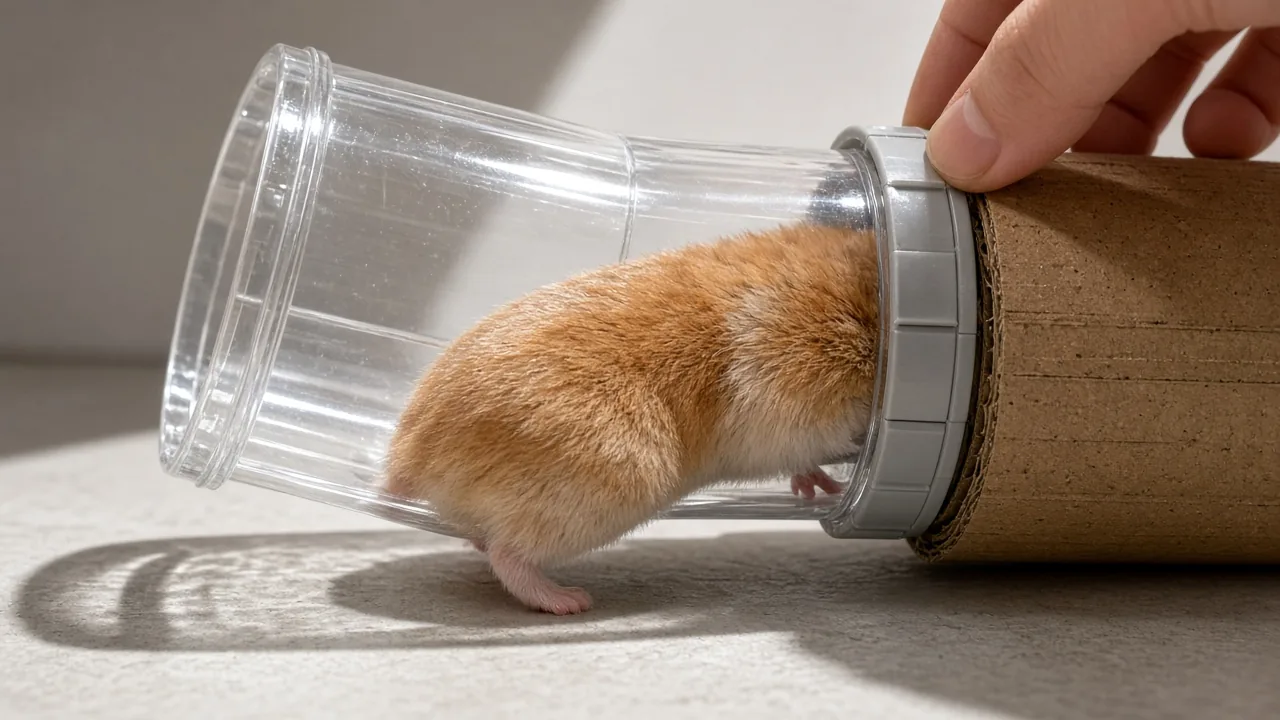
Tunnels can be homemade or purchased, and both approaches satisfy a hamster’s digging and burrowing instinct reasonably well. DIY tunnels, often built from cardboard tubes, paper towel rolls, or connected PVC pieces, cost very little and let you customize the layout to your cage size. Store-bought tubes tend to be more durable and often connect into modular systems that can be rearranged.
The tradeoff isn’t really about which option hamsters prefer, since most hamsters will use either happily. It’s about maintenance. Tunnels, whether homemade or bought, trap bedding, droppings, and odor in ways that open-top toys don’t.
Are Tunnel Toys Easy to Clean?
Not always. One hamster owner described cleaning a tunnel toy as genuinely tedious, since waste and debris get pushed into corners that are hard to reach without taking the whole piece apart. This is a common complaint, not a one-off issue, so it’s worth planning for before you buy.
To make upkeep more manageable:
- Look for tunnels with removable or detachable sections rather than one solid molded piece.
- Choose tubes wide enough to fit a small brush or cloth through for wiping.
- Avoid tunnels with tight bends if your hamster tends to leave bedding or food stashed inside.
- Plan to check and rinse tunnel sections weekly, more often if you notice odor building up.
Cardboard DIY tunnels have an advantage here: when they get soiled, you simply replace them instead of scrubbing them, as long as your hamster hasn’t chewed through them into something unsafe to ingest in large amounts.
Climbing Toys: How to Choose a Safe Height for Your Hamster
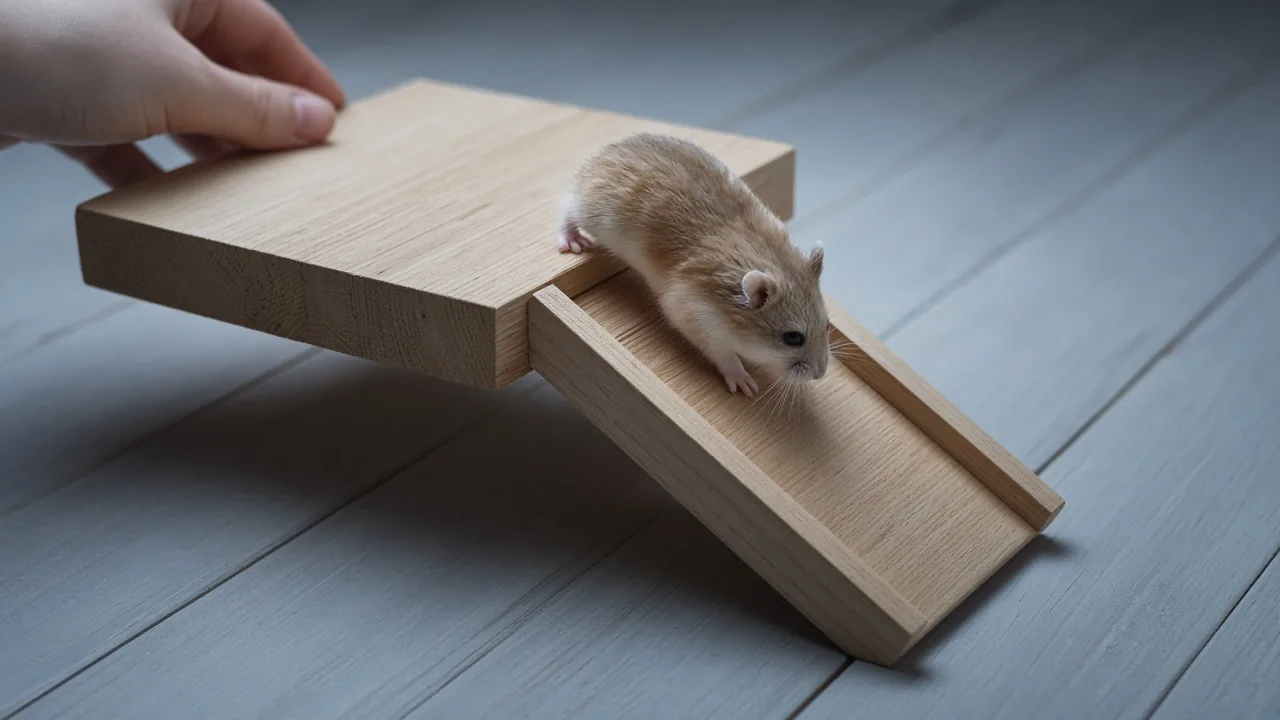
Hamsters enjoy climbing, and ladders or multi-level structures give them a way to explore in three dimensions instead of staying flat on the cage floor. The catch is height. Hamsters aren’t built like squirrels, and a fall from even a modest climbing structure can cause real injury.
When choosing a climbing toy, prioritize gentle, low drops over height or visual appeal. A structure that looks impressive in a product photo isn’t worth much if your hamster is at risk of a hard fall every time it loses its footing. Shorter, wider platforms with gradual transitions are generally a safer bet than tall towers with narrow rungs.
Signs a Climbing Toy Is Too Tall or Unstable
Before you commit to a climbing structure, check for these warning signs:
- Platforms that wobble when you press on them lightly with a finger.
- Steep gaps between levels that would require a jump rather than a step.
- Narrow landing areas too small for your hamster to turn around on comfortably.
- No secondary support, meaning the structure relies on a single thin point of attachment to the cage.
If a toy fails more than one of these checks, it’s worth skipping, even if your hamster seems eager to climb it. The goal is enrichment without unnecessary risk.
Chew Toys and Chew Sticks: Why Some Hamsters Ignore Them
Chew sticks exist for a good reason: they support dental wear and help build jaw strength, both of which matter since a hamster’s teeth keep growing throughout its life. In theory, this makes them one of the more essential toy categories, not just a nice extra.
In practice, some hamsters simply don’t take to them. One owner noted that their hamster ignored chew sticks entirely and instead gnawed on the metal spout of the water bottle. This isn’t necessarily a sign of a lazy or disinterested hamster. It may just mean the chew stick offered wasn’t appealing in texture or shape.
What to Do If Your Hamster Won’t Use Chew Toys
Before assuming your hamster dislikes chewing altogether, try rotating through a few different options:
- Offer chew sticks made from different natural materials, since texture preference varies between individual hamsters.
- Try different shapes, including flat pieces, twisted sticks, and small blocks, rather than sticking to one style.
- Place the chew item somewhere your hamster already spends time, like near a favorite hiding spot, rather than in an unused corner.
- Watch whether gnawing is happening elsewhere, like on the water bottle spout or cage bars, which usually means the drive to chew is present but unmet by what’s offered.
If a hamster is chewing heavily on cage bars or metal fixtures instead of toys, that’s generally a sign it needs more appealing chew options, not that it needs less chewing material overall.
Digging Boxes and Bedding Setups for Natural Burrowing
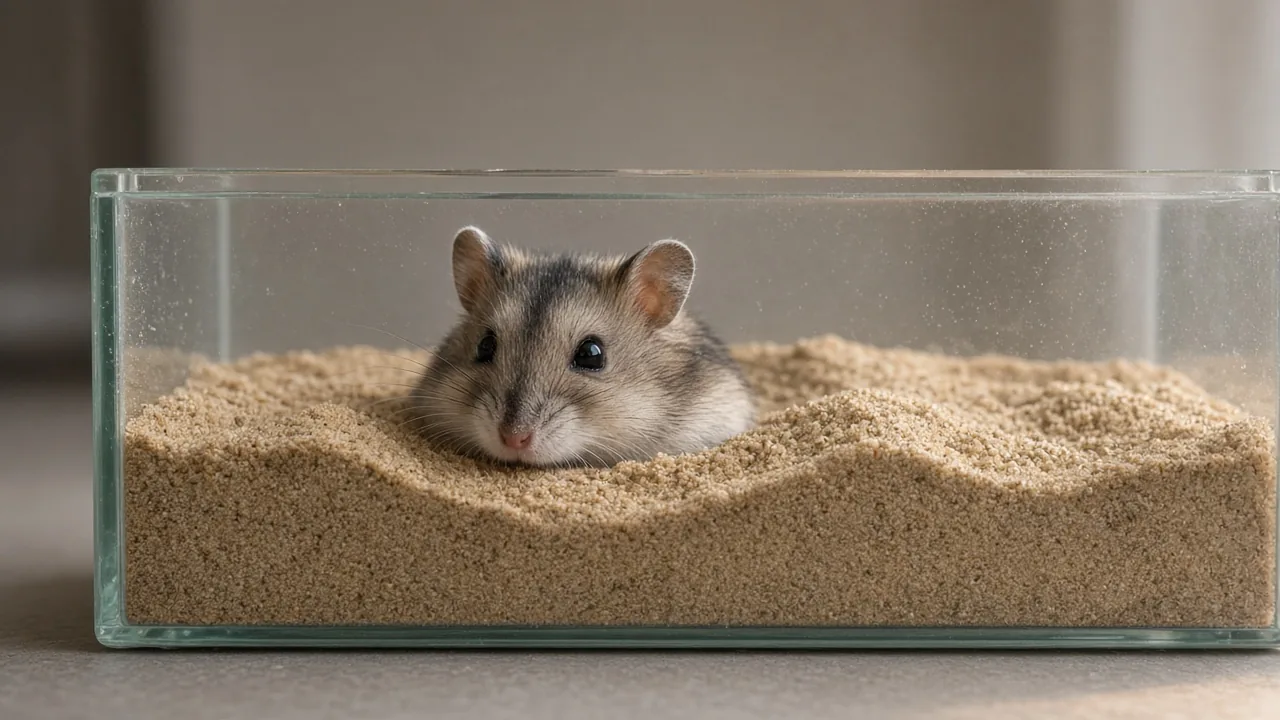
Digging is one of the more satisfying behaviors to watch, and it’s not just play. Hamsters use digging to release stress, and burrowing into a self-made hole can give them a strong sense of security. Deep bedding spread across part of the cage lets a hamster dig and tunnel on its own terms.
A dedicated digging box, sometimes filled with sand rather than standard bedding, gives the same benefit in a more contained area. This can be especially useful in cages where you don’t want loose bedding scattered everywhere. Either option works, as long as the material is deep enough for the hamster to actually disappear into it rather than just scratch the surface.
How Cage Size Affects Digging and Bathroom Habits
One side effect worth watching for: in cages that are too large relative to the hamster’s size, some owners have found that their hamster loses track of its bathroom spot entirely and starts urinating in multiple locations around the cage. This seems to happen because the space is too open for the hamster to form a consistent mental map of where its designated area is.
A defined digging box or corner setup can help with this. By giving the hamster a specific, enclosed area for digging and burrowing, you’re also giving it a landmark that can double as a bathroom reference point. This doesn’t guarantee tidy habits, but it tends to help more than an open cage with no clear zones.
Who These Enrichment Toys Are Right For
Tunnel, climbing, chew, and digging toys suit the vast majority of pet hamsters, since these behaviors are instinctive rather than optional preferences. Most hamsters will use all four categories to some degree if given the chance.
The exception is more about owner lifestyle than hamster need. If you have limited time for regular cage maintenance, elaborate tunnel systems with multiple connected sections may not be worth the cleaning burden. In that case, a simpler setup, like a single easy-to-remove tube paired with a digging box, chew sticks, and a low climbing platform, still covers the core instincts without demanding as much upkeep.
| Toy Type | Material Common Options | Best For | Chew Resistance | Cleaning Method | Instinct Satisfied |
|---|---|---|---|---|---|
| Tunnel/Tube | Plastic, cardboard, PVC | Most hamsters | Low to moderate | Rinse or wipe; cardboard is disposable | Burrowing, tunneling |
| Climbing Structure | Wood, plastic | Hamsters with cage height to spare | Moderate | Wipe down | Climbing, exploring |
| Chew Stick | Natural wood, plant fiber | Hamsters that gnaw often | High (designed for it) | Replace when worn | Chewing, dental wear |
| Digging Box | Sand or deep bedding | All hamsters, especially stressed ones | N/A | Scoop and refresh | Digging, security |
Safety Checks and When to Replace Hamster Toys
Regardless of which toys you choose, regular inspection matters more than brand or price point. Check toys at least weekly for:
- Cracks or splintering, especially in wooden chew sticks and climbing platforms.
- Loose pieces, including connectors on modular tunnel systems.
- Sharp edges that have formed from chewing on plastic components.
- Any piece small enough that your hamster could swallow it whole.
Replace anything damaged immediately rather than waiting to see if it gets worse. A cracked plastic tube or a splintering wooden ladder rung can turn from a minor cosmetic issue into a choking or injury risk fairly quickly, especially with a hamster that chews persistently.
FAQ: Common Questions About Hamster Burrowing and Chewing Toys
How often should I clean tunnel toys?
Weekly is a reasonable baseline, though you may need to check more often if you notice odor building up or if your hamster tends to store food inside the tunnel. Removable-section designs make this much easier than solid, one-piece tubes.
What if my hamster shows no interest in chew toys?
Try rotating textures and materials before concluding your hamster simply doesn’t like to chew. Many hamsters that ignore chew sticks are still gnawing somewhere, often on a water bottle spout or cage bars, which suggests the drive is there but the current toy isn’t appealing.
Is a bigger cage always better for a hamster?
Not necessarily. While hamsters benefit from space to explore, an overly large cage without defined zones can make it harder for a hamster to settle on a consistent bathroom spot. A digging box or clearly marked area can help offset this.
Can I just use a cardboard box instead of a store-bought tunnel?
Yes, as long as the hamster doesn’t chew through it in a way that creates sharp edges or ingests large amounts of cardboard quickly. Many owners find DIY cardboard tunnels easier to deal with than plastic ones, since they can be replaced rather than cleaned.
Watching how your hamster actually plays, whether it spends most of its time digging, climbing, or working on a chew stick, is the best guide for which toys to prioritize first. Keep checking those toys regularly for cracks, loose parts, or heavy wear, and swap them out before small damage turns into a bigger problem.
This article is for general information only and is not a substitute for advice from your veterinarian. Always supervise your pet with a new toy, and replace any toy that is damaged or small enough to swallow.

Contributor
admin
Continue reading
All stories
SMALL PETS & BIRDS · 11 October
Best Chew Toys to Stop Parrot Plucking and Boredom
SMALL PETS & BIRDS · 10 October
Do Guinea Pigs Smell Bad Indoors? Causes and Odor Fixes

SMALL PETS & BIRDS · 10 October
Responses
Moderated discussion